

How to ask about your interview status through email

Hiring managers are busy people, and sometimes they need to be reminded that you’re waiting to hear from them. When time has passed since your job interview but the hiring manager hasn’t contacted you, it’s time to figure out how to ask about interview status through email.
In a competitive job market, you’re never the only applicant for a job, and the hiring process isn’t the only thing your interviewer has to think about. Many managers have to source candidates and interview them on top of their regular duties.
This means that they have their own schedules to keep, and you probably aren’t their top priority. They aren’t necessarily going to reach out to you in a timely manner, and if you have a question you want answered, you need to ask it.

Recommended links:
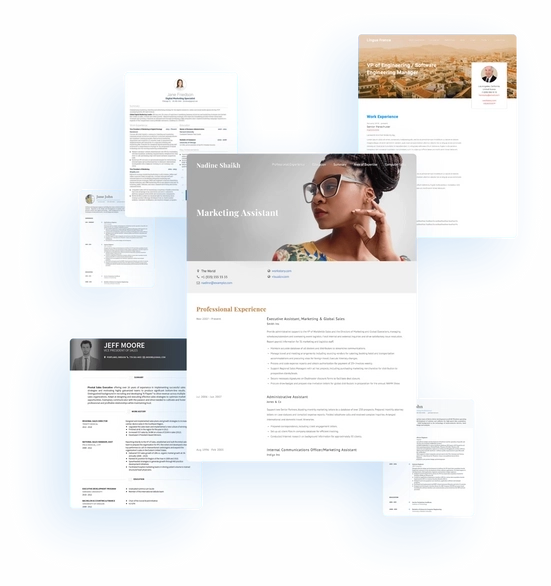
- Our collection of 500+ professional resume examples.
- Our gallery of 20+ downloadable resume templates.
When you just had an interview with a company, the question you’re going to want answered most is “Did I get the job?” Of course, you shouldn’t outright ask if you’ve been hired. Instead, ask politely about the status of your application. The hiring manager should be willing to give you an update on your interview if they have one.
With that in mind, here’s how to ask for an update after your interview.
Why ask for an update after the interview?
If you want clarity on how your application is doing, you have to ask. To the frustration of many job-seekers, many companies will simply stop contacting you after your interview instead of sending a simple rejection email. Unsuccessful candidates may never hear from the company again after their interview.
However, just because you haven’t heard from a company doesn’t necessarily mean you didn’t get the job. The hiring process is time consuming, and the hiring manager could be taking their time. They might still be doing interviews, taking in new applicants, or simply haven’t made a decision yet. Asking about interview status is often the only way to keep yourself in the loop.
Following up to ask about interview status is also an opportunity to reiterate your enthusiasm for the job. In this way, your email asking about interview status has two purposes—getting you the information you want, and improving your prospects. A follow-up message shows that you want the job and may put you ahead of the other candidates.
First impressions are important, but they fade in the memory when someone is interviewing dozens of candidates. You can keep the interviewer’s memory of you fresh (and positive) with a polite and enthusiastic email about interview status.


How to request interview status through email?
Hi [Hiring manager],
I am excited to be considered for the role and it was great to speak with the team. I am following up to check on the status of my job application for [job title]. I look forward to hearing back from you on my job application whenever you have reached a decision.
Thank, [Your name]


How soon to follow up after the interview
How soon to follow up after the interview depends on your circumstances. If you were given a timeline for hearing back, wait until the deadline has passed. If you weren’t given a deadline, wait a week or so.
If you’re simply sending a thank-you email, send it right away. It’s appropriate to thank the interviewer the same day as the interview. Your thank-you email isn’t where you should ask about interview status, however. The timing of your interview status email will be trickier.
This is because it’s possible to overdo it. If you ask about your interview status too soon, they won’t be ready to answer, and if you ask too many times they will find you annoying. It’s important to strike the right balance when communicating with a potential employer.
If, during the interview, the manager gave an approximate deadline for hearing back, you should wait until that deadline has passed before you ask about interview status. Then, wait a day or two. You don’t want to seem pushy. Once a day has passed since the deadline, you can write your follow-up message.
If the interviewer didn’t give a specific deadline, wait one week before asking about your interview status. Seven days (or five business days) is enough time for them to interview a few more candidates and review their notes. This doesn’t mean that they will have made a decision already. In fact, they almost certainly haven’t. However, they might be able to give you an update, whether it’s a new deadline for their answer, an indication that you’re still being considered, or simply a rejection.
How long to wait after the interview before giving up
As the saying goes, never give up. Just because you haven’t heard back in a week, or even a month, doesn’t mean you have no chance. The hiring process can take a long time.
However, once you’ve sent your email asking for an interview status update, you should start to focus on new applications and opportunities. Waiting around for this one job opening isn’t the best use of your time.
In fact, you should always be applying to other openings. Don’t put all your career eggs in one job basket. Throughout the entire application process you should still be applying for other positions. Even if you’re being invited back for a second and third interview, keep applying elsewhere.
You don’t have this job until you’ve signed all the papers. Just as you shouldn’t give up on this opportunity, you shouldn’t give up on the rest of your job search. Keep your options open.
How to ask for an update after the interview
It’s important to figure out how to ask about interview status through email. The company has little incentive to reach out to you. This means that if you want information you have to ask for it, and it’s up to you to reach out in the way that will receive the best response.
With that in mind, here are some tips for asking for an interview update:
Ask about interview status through email
The best way to ask about the status of your interview is to send a simple email.
While some employers might appreciate a phone call, email is the best way to follow up. Email is the way that most companies communicate with others outside the company, and it’s what they would expect from potential future employees.
Email allows you to reach out without imposing on anyone’s time. Your email will reach the right person without having to work through a phone tree, and the recipient can respond whenever they have time.
Their response may not come as soon as you like, and it won’t have the personal touch of a phone call, but email is the best way to ask about interview status.
One follow-up email asking for an update to your interview status is usually enough. If they ignore your first email, however, another follow-up is fine. Keep it polite and professional.
Keep it brief
The actual text of your message can be tricky. You have to be firm when you ask about the information you need, while remaining polite and professional. You can’t seem too pushy, and you need to make sure the message will help your candidacy, not hurt it.
To do this, make sure that your message is short and your tone is positive. You should greet them politely, make it clear that you’re enthusiastic about the position, and ask about interview status in a professional way.
To make sure your message hits all the right notes, use this paragraph structure to write your email:
- Greeting
- Intro/thank-you
- Question
- Restate enthusiasm
- Signoff
Revisit topics from the interview
A great way to impress hiring managers with your email is to revisit topics from the interview. The interview process isn’t over until you’ve officially been hired (or rejected), and you can still show that you’re a good candidate in post-interview communications. Your follow-up email is an opportunity to demonstrate your enthusiasm for the job.
For example, if they recommended a specific book or resource, you can mention that you found it and started to use it. If they mentioned an industry influencer, tell them that you followed them or found their class. If there was a topic that you focused on in the interview, bring it up again.
This shows that you were paying attention and that you’re still working to develop your skills.
Remind them of who you are
When you thank your interviewer, be specific about what you’re thanking them for. Employers do lots of interviews, and they might not remember you as well as you remember them.
To make sure the employer doesn’t mistake you for another candidate, mention some details from your interview. For example, give the day or location of your meeting when you introduce the email:
“It was great to meet you last Thursday…”
Or
“Thank you for meeting me at Pallet Coffee last Thursday…”
Use a relevant subject line
Include the job title or application code in the subject line of the email. This way, there will be no confusion about what interview you are referring to or what job you’re applying for.
If you can’t include it in the subject line, include it in the body of your email, ideally at the top. For example:
“Thank you for the opportunity to interview for the Customer Support Specialist position…”
Be appreciative
Your message should thank the employer for the interview. It’s important to let them know that you’re still interested in the position and that you appreciate their time.
Tell them that “I really appreciate the opportunity.” Say “thank you for your consideration,” even if you feel you weren’t given adequate consideration. Make them feel special, and let them know that you’re grateful you had a chance to interview.
In fact, your appreciation should continue even if they reject you in their response. You should never burn any bridges, and just because you didn’t get this job doesn’t mean the company won’t hire you in the future. You can even reiterate your interest in future positions:
“If there are any upcoming positions where you feel I would be a better fit, I would really appreciate the opportunity to send in an application.”
Use a template
To get started on your interview status email, you may want to use a template. This can be a helpful way to structure your email and make sure you don’t miss anything.
[Subject line]
Dear [Name of Interviewer/hirer],
[One sentence thanking them for their time.]
[A few sentences where you reference topics from the interview, or new ideas you've had since thinking about your conversation.]
[A question asking about the status of the interview]
[One or two sentences reiterating your enthusiasm and indicating that you would like to hear from them.]
Sincerely/best, [Your Name]
If you work from a template, remember that the email should still be customized, referring to topics relevant to the job or your previous conversations. It shouldn’t read like a form letter.
How to ask about interview status through email: examples
The details of your message will depend on your circumstances. Your message will change depending on your relationship with the interviewer, your industry, and at what point of the interview process you are in. With that in mind, here are some example follow-up emails.
When you’ve already sent a thank you email
When you’ve already sent a thank-you note and the deadline you were supposed to hear back from them has passed, you can send a second email asking about your interview status. Keep it brief and polite, and make sure to restate your interest in the role.
Hi Charles,
I wanted to thank you for the interview last Monday. I enjoyed our conversation and the information you shared about your new Content Management System was very valuable.
I’m following up now to see if there are any updates regarding the status of my application.
This role looks like a great fit for me and my career goals. Anything you can share about your decision timeline or any next steps would be greatly appreciated. I am happy to provide any additional information if needed.
Again, thank you. Taylor Smith


When you haven’t heard back
Once the date the company said you’d hear from them has passed, you can send your email asking about interview status. The company may not have an answer yet, but it’s acceptable to remind them that you’re waiting to hear from them.
Dear Mary Bennet,
It was a pleasure to meet you last Monday. I just wanted to follow up to see if you have made a decision regarding the Customer Success Specialist position.
I really appreciated the opportunity to learn about the role and your company, and I would love to hear any updates if you have any.
Please don’t hesitate to contact me if you have any questions or concerns. I look forward to hearing from you.
Thanks again for your time, Taylor Smith


After the a second interview
Just because you’ve done a second interview doesn’t mean you have the job. Even if you’ve made it past the early stages of the hiring process, companies can cut off contact at any time. If you don’t hear back from a company after a second interview, you can still send a follow-up email to ask about your interview status.
Dear Mr Wickham,
I really appreciate your giving me the opportunity to come in for a second interview last Thursday. Our conversation about the utility of the blockchain in our industry was very interesting, and I think the Junior Business Analyst role is a perfect match for my skill set and my career goals.
If you have any updates or feedback you would like to share, please let me know. I’m very enthusiastic about this opportunity and I would love to hear back when you have a chance.
Again, thank you. Taylor Smith


When they didn’t respond to your first email
It’s fairly likely that the first message you send won’t receive a reply. This can be discouraging, but even if another week passes without a response it’s still too soon after the interview to give up. They may just need another reminder.
Hi Mr Darcy,
I wanted to follow up regarding my previous message.
I interviewed for the open Senior Merchandiser position on Thursday, Nov 25. I really appreciate the opportunity to meet with you and I am still enthusiastic about the position. When can I expect to hear back regarding the status of my interview?
Please let me know if there are any concerns regarding my application. I’d love the opportunity to answer any questions you might have for me.
Best, Taylor Smith

When you have an update for them
Your job search can’t stop to wait for one employer to respond. If you have an update, such as a job offer from a different company, you may want to let your interviewer know. This could be to let them know that you are withdrawing from consideration, or it could be to use the job offer as a negotiating tactic.
Hi Catherine,
I wanted to thank you for the opportunity to interview for the Customer Success Manager position last Monday.
Since our meeting, I have received an offer for a similar position at a different company. While their offer is appealing, I am especially interested in the work your company is doing and I would love to hear back from you before I respond to their offer.
Please let me know if there are any updates regarding the status of my application.
I am very enthusiastic about the prospect of working with you and if there are any concerns I could clear up, don’t hesitate to reach out.
Thanks, Taylor Smith


Written By
Ben Temple
Community Success Manager & CV Writing Expert
Ben is a writer, customer success manager and CV writing expert with over 5 years of experience helping job-seekers create their best careers. He believes in the importance of a great resume summary and the power of coffee.


The top hiring and human resource statistics for 2024, including data on AI resumes, job interviews, remote work, and recruiting.
September 7, 2024
Read Post

Community Success Manager & CV Writing Expert

Make sure you have all the CV basics with this CV checklist.
August 23, 2021
Read Post
Community Success Manager & CV Writing Expert


Your technical skills are an important part of what makes you a great candidate. Here's how you should display your technical skills on your resume.
December 14, 2022
Read Post
Community Success Manager & CV Writing Expert
Copyright ©2024 Workstory Inc.