Germany CV Format (Lebenslauf) Guide for 2026

Applying for a job in Germany? This guide has the tips, examples, & format requirements needed to write the perfect German CV. Create your VisualCV today!

Germany CV Requirements (Lebenslauf Overview)

A German CV, also known as a Lebenslauf, is a structured document that focuses on clarity, completeness, and a consistent career timeline. Compared to many UK or US resumes, a German CV is usually more formal in layout and more specific about dates, locations, and qualifications. Recruiters expect to quickly understand what you did, where you did it, and when you did it, without having to guess.

If you are applying for jobs in Germany, your CV should be easy to scan, logically ordered, and written to match the expectations of German employers and hiring teams. This guide explains what a German CV typically includes, how to format it correctly, and how to avoid common mistakes that can make an application look incomplete or unprofessional.

Browse our gallery of resume examples here.

Quick Checklist for a German CV

Use this checklist to make sure your CV meets common German hiring expectations before you apply:

  • Length: Keep your German CV to 1 to 2 pages for most roles. Prioritise relevance and avoid long paragraphs.
  • Page size and layout: Use an A4 layout, clear section headings, and consistent spacing so your CV is easy to scan.
  • CV format: Use a reverse chronological structure (most recent experience first) unless you have a specific reason to use a skills-based layout.
  • Dates and timelines: Include month and year for roles and education. A clear timeline matters in German applications.
  • Work experience: List job title, employer, location, and dates. Use bullet points to show responsibilities and results.
  • Education: Include your highest qualifications, institution names, locations, and dates. Add relevant training or certifications where it strengthens your application.
  • Skills and languages: Include a dedicated section for key skills, tools, and language proficiency, especially if it is relevant to the role.
  • Photo: A professional photo is still common in Germany, but it is not mandatory for every employer. Follow the job posting and company preference where possible.
  • Personal details: Start with professional contact information. Additional personal details may appear more often in Germany than in other countries, but you should keep them appropriate and role-relevant.
  • File format: Submit your CV as a PDF unless the employer requests another format, and use a clear file name such as FirstName_LastName_CV.pdf.

German CV Format and Section Order

German employers typically expect a CV that is structured in a logical order, with clear section headings and a consistent timeline. The most widely accepted format is reverse chronological, meaning your most recent experience appears first. This makes it easier for recruiters to quickly assess your current level, recent responsibilities, and career progression.

A well-organised German CV should be easy to scan in under a minute. That means using clear headings, short bullet points, and consistent formatting for dates, locations, and job titles.

Most German CVs follow this structure:

  1. CV header and contact details (name, phone number, email address, location)
  2. Personal details (optional fields depending on the role and employer)
  3. Profile or summary (Profil) (optional but helpful)
  4. Work experience (Berufserfahrung)
  5. Education (Ausbildung / Studium)
  6. Skills (Kenntnisse / Fähigkeiten)
  7. Languages (Sprachen)
  8. Optional sections such as projects, volunteering, awards, or publications

If you are an entry-level candidate, you can place education above work experience, especially if your degree, thesis, coursework, or internships are the strongest match for the job.

Reverse Chronological Format in Germany

Reverse chronological format means listing your experience from newest to oldest. This applies to both work experience and education.

A clear date format is important. Most candidates use either:

  • MM/YYYY to MM/YYYY (example: 03/2022 to 11/2024)
  • Month YYYY to Month YYYY (example: Mar 2022 to Nov 2024)

Choose one format and keep it consistent throughout your CV.

German CVs in 2026 are likely to stay structured and formal, but candidates are becoming more strategic about how they present information. These trends reflect what is becoming more common in modern German hiring, especially as more applications are submitted online and reviewed quickly.

1) More focus on measurable outcomes in work experience

German CVs are becoming more results-focused, with bullet points that show impact rather than only listing tasks.

What to do:

  • Use bullet points that highlight outcomes such as efficiency gains, cost reduction, delivery improvements, or quality metrics
  • Add numbers where possible to support credibility
  • Keep bullet points short and factual

Example:

  • Reduced invoice processing time by 25% by improving documentation flow and standardising templates
  • Improved on-time delivery performance by 18% by coordinating supplier schedules and resolving bottlenecks

2) Cleaner layouts designed for fast scanning

Simple formatting is becoming more important as recruiters review applications quickly and many companies use digital screening tools.

What to do:

  • Use clear headings such as Work Experience, Education, Skills, and Languages
  • Keep consistent spacing, date formats, and bullet styles
  • Avoid complex design elements such as icons, heavy tables, or multi-column layouts that reduce readability

3) Skills sections include more tools and systems

Many roles in Germany now expect familiarity with common workplace tools, even outside technical fields.

What to do:

  • List the tools you used in your previous roles, especially if they appear in the job description
  • Group tools logically, such as Office tools, analytics tools, or project systems
  • Only list tools you can use confidently in a professional setting

Examples:

  • Excel, PowerPoint, SAP
  • Jira, Confluence, Asana
  • Power BI, Tableau

4) More clarity around language ability and working level German

Language requirements are becoming more visible in German job postings, especially for roles that involve internal communication or customer interaction.

What to do:

  • List your German level clearly using a recognised format such as A2, B1, B2, or C1
  • Only claim a level you can use in real workplace situations
  • If you are actively improving your German, you can mention ongoing study in a short note

Example:

  • German, B2 (working proficiency)
  • English, C1

5) Photos are still common, but optional choices are more accepted

Photos remain common in Germany, but more candidates are choosing to leave them out when applying to international companies or modern hiring processes.

What to do:

  • Include a photo if it aligns with the employer’s expectations and your industry norms
  • Leave it out if the company discourages photos or if you prefer a more international CV style
  • Focus on strong content and structure either way

6) Career breaks are explained more directly

Career breaks are increasingly normal, and short, clear explanations can help avoid confusion in timeline-based CV reviews.

What to do:

  • Add a short explanation if it helps, such as relocation, study, caregiving, or parental leave
  • Include relevant training, volunteering, freelance work, or projects completed during the gap

Example:

  • Career break, 2023 to 2024, relocation and German language training

7) More tailoring per application

Generic CVs are less effective than CVs adjusted to match the specific role and keywords in the job description.

What to do:

  • Tailor your profile section to match the job title and focus area
  • Reorder skills to reflect what the employer prioritises
  • Highlight the most relevant achievements from your recent roles

Photo on a German CV

Including a photo on a German CV is still common, especially in traditional industries and German-speaking workplaces. Many employers are used to seeing a professional photo as part of a standard Lebenslauf, and it can help your application feel complete and familiar to local expectations.

That said, a photo is not a strict requirement for every role or company. Some international employers, large corporations, and modern hiring teams may not expect one. If a job posting or employer application system gives specific guidance, follow that first.

Is a Photo Required on a German CV?

A photo is optional, but it is often included in German CVs. Whether you should add one depends on:

  • The employer and industry (more traditional sectors may expect it)
  • The company’s hiring process (some systems discourage photos)
  • The role you are applying for (client-facing roles may include photos more often)

If you are unsure, it is generally acceptable to submit a German CV without a photo. A strong CV with clear experience and qualifications will still be considered.

What Photo to Use (If You Include One)

If you include a photo, it should look professional and work-appropriate. A German CV photo is typically a head-and-shoulders portrait that matches the tone of a formal job application.

Best practices:

  • Use a high-quality photo with good lighting and a neutral background
  • Dress professionally based on your industry
  • Use a clear, friendly expression and avoid overly casual poses
  • Avoid selfies, cropped group photos, filters, or social media-style images

Place the photo near the top of the CV, usually in the header area, and keep the size consistent with the layout so it does not distract from your content.

Personal Information on a German CV

German CVs often include more personal and contact information than CVs in the UK or US. The goal is to make it easy for employers to identify you, contact you quickly, and understand your background without needing follow-up questions.

However, the most important rule is to keep your personal information professional, relevant, and appropriate for the job application. You should not include anything that does not help an employer assess your qualifications.

What Personal Details to Include

Most German CVs include the following at the top:

  • Full name
  • Phone number
  • Email address (use a professional format)
  • Location (city and region is usually enough)
  • LinkedIn profile or portfolio (optional but useful for many roles)

It is also common to include:

  • Date of birth (optional, but still seen on many German CVs)
  • Nationality (optional, especially for international applicants)

If you are applying from outside Germany, you can also add:

  • Work authorisation status (optional, only if it helps clarify your eligibility)
  • Availability or relocation (optional, if relevant)

What to Avoid Including

Some personal details may appear in older CV formats, but they are not necessary for most modern applications. You can leave out:

  • Marital status
  • Number of children
  • Religion
  • Political views
  • Personal identification numbers

In general, your CV should focus on your professional qualifications and experience rather than personal background.

How to Write a German CV Profile (Profil)

A German CV profile, often labelled Profil, Kurzprofil, or Profilbeschreibung, is a short introduction near the top of your CV. It helps recruiters quickly understand your role, strengths, and what type of position you are targeting.

This section is optional, but it can be especially helpful if you want to:

  • Clarify your professional direction in a competitive job market
  • Highlight your most relevant strengths before the recruiter reads your work history
  • Explain a career change, international background, or specialised expertise

A strong German CV profile should be brief, specific, and focused on what makes you a strong match for the job.

What to Include in Your Profil

A good profile is usually 2 to 4 lines and answers three questions:

  • Who are you professionally? (your role or area of expertise)
  • What are your strongest skills? (technical skills, tools, or key strengths)
  • What role are you targeting? (match the job title and focus area)

Avoid generic statements that do not add meaning, such as “hard-working team player” without context. Instead, use specific strengths and credible experience.

German CV Profile Example

Profil Project Coordinator with 4+ years of experience supporting cross-functional teams in logistics and operations. Strong in stakeholder communication, process improvement, and reporting with Excel and SAP. Seeking a coordination role in a fast-paced supply chain environment in Germany.

Work Experience on a German CV

The work experience section is the most important part of a German CV for most applicants. German employers typically want to see a clear, chronological timeline with job titles, company names, locations, and exact dates. Your goal is to show not only what you did, but how well you did it and what results you delivered.

In Germany, work experience is usually listed in reverse chronological order, starting with your most recent role.

What to Include for Each Role

For each position, include:

  • Job title
  • Company name
  • Location (city, country if outside Germany)
  • Dates of employment (month and year)
  • 3 to 6 bullet points describing responsibilities and achievements

If you held multiple roles at the same company, list them clearly to show progression.

How to Write Strong Bullet Points

German recruiters respond well to bullet points that are clear, factual, and specific. A strong bullet point typically includes:

  • What you did (action)
  • What you worked on (scope)
  • What improved (result)

Examples:

  • Coordinated weekly delivery schedules across 12 suppliers, improving on-time delivery performance by 18%
  • Created Excel reporting templates that reduced monthly reporting time from 6 hours to 2 hours
  • Supported process improvements in warehouse operations, reducing picking errors by 10%

Avoid long paragraphs. Keep bullet points short and easy to scan.

How to Handle Employment Gaps

If you have a gap in your employment history, it is best to handle it clearly rather than leaving unexplained dates. You can include a short, factual line such as:

  • Career break, 06/2023 to 02/2024, relocation and German language training
  • Professional development, 2024, completed certification and freelance projects

If you gained relevant skills during the gap, include them in your CV through training, volunteering, or project work.

Education on a German CV

The education section of a German CV should be clear, structured, and listed in reverse chronological order. German employers often pay close attention to qualifications, especially for graduate roles, technical positions, and regulated professions.

Your goal is to make it easy for a recruiter to understand what you studied, where you studied, and when you completed each qualification.

How to Format Education Entries

For each qualification, include:

  • Degree or qualification name
  • Institution name
  • Location
  • Dates (month and year, or year only)
  • Field of study (if not obvious from the degree title)

Optional details you can add if relevant:

  • Final grade or classification
  • Thesis title (especially for technical or research roles)
  • Relevant coursework (most useful for entry-level applicants)

Should You Include High School?

Whether to include high school depends on your experience level:

  • If you are a student or recent graduate: including high school can be helpful, especially if you have limited work experience.
  • If you are an experienced professional: you can usually keep education focused on higher qualifications and relevant training, without listing older school details.

The key is relevance. If a qualification does not add value to your application, it does not need to take space on the page.

Skills, Languages, and Certifications

A strong German CV includes a dedicated section for skills and qualifications that support the role you are applying for. This helps recruiters quickly understand your strengths and makes it easier to match your profile to the job requirements.

Focus on skills you can demonstrate through your work experience, education, or projects.

Skills Section Format

A German CV skills section should be easy to scan and tailored to the job description. Include a mix of role-specific skills, tools, and technical knowledge.

Best practices:

  • Keep it relevant and avoid long lists of unrelated skills
  • Group similar skills to make the section easier to read
  • Include tools and systems if they are important for the role

Example format:

  • Tools: Excel, PowerPoint, SAP, Jira
  • Core skills: Project coordination, stakeholder management, reporting, process improvement
  • Industry skills: Supply chain operations, logistics planning, vendor coordination

Languages and Proficiency Levels

Language skills are especially important in Germany, even in international workplaces. If you include languages, add a clear proficiency level so employers understand what you can use professionally.

Example:

  • German, B2
  • English, C1
  • Spanish, B1

Only list languages you can use in real work situations. If the role requires German, be honest and specific about your level.

Certifications and Training

Certifications are valuable in Germany when they are recognised and relevant to the role. List certifications in a separate section or within your skills section if it fits your layout.

Include:

  • Certification name
  • Provider or issuing organisation
  • Year completed

Example:

  • PRINCE2 Foundation, AXELOS, 2023
  • Google Data Analytics Certificate, 2024
  • IELTS Academic, 2022

References and Arbeitszeugnis in Germany

German employers often handle references differently than employers in the UK or US. Instead of listing referee contact details on a CV, many candidates provide written proof of employment and performance, especially for professional roles.

Understanding how references work in Germany can help you submit a more complete and credible application.

What Is an Arbeitszeugnis?

An Arbeitszeugnis is a formal written reference provided by an employer. It typically confirms your job title, dates of employment, and responsibilities, and may include an evaluation of your performance and conduct.

In Germany, written references are common and may be requested during the hiring process, especially for roles where employers want additional confirmation of your experience.

Should You List References on a German CV?

In most cases, you do not need to include reference contact details directly on your German CV. If an employer wants references, they will usually request them later.

If you want to address references on your CV, you can include a short line such as:

  • References available upon request

If you have an Arbeitszeugnis or other written references, keep them ready to provide if requested, or include them in your application if the employer specifically asks for supporting documents.

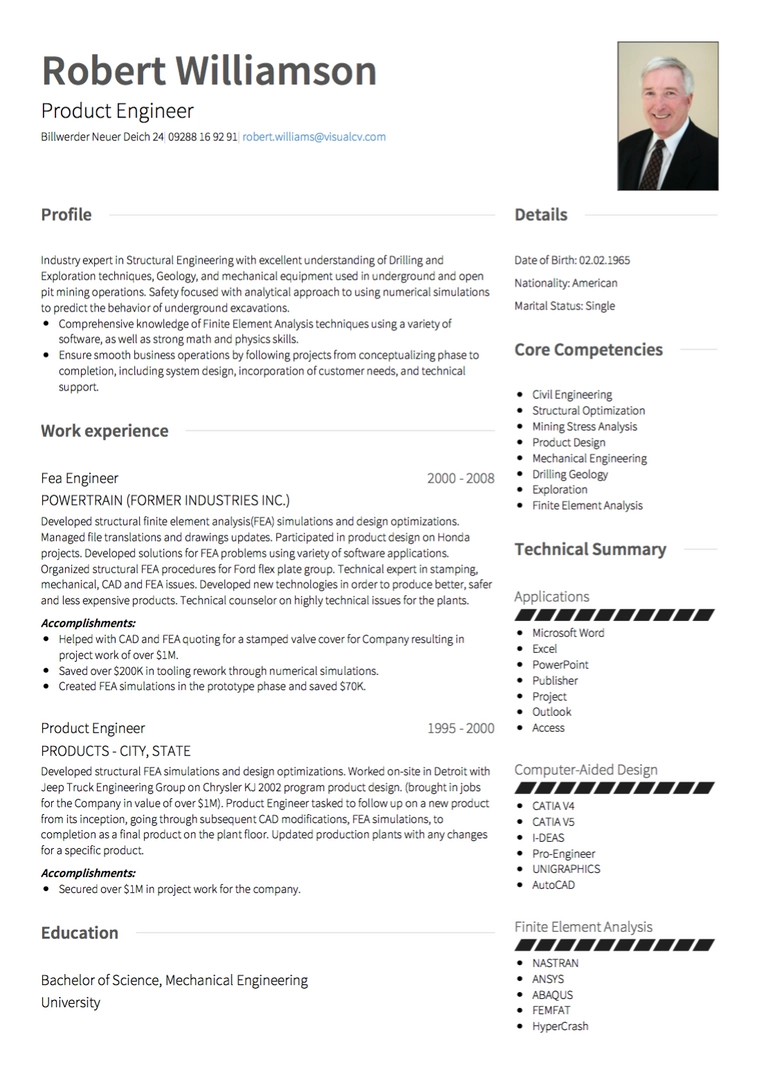
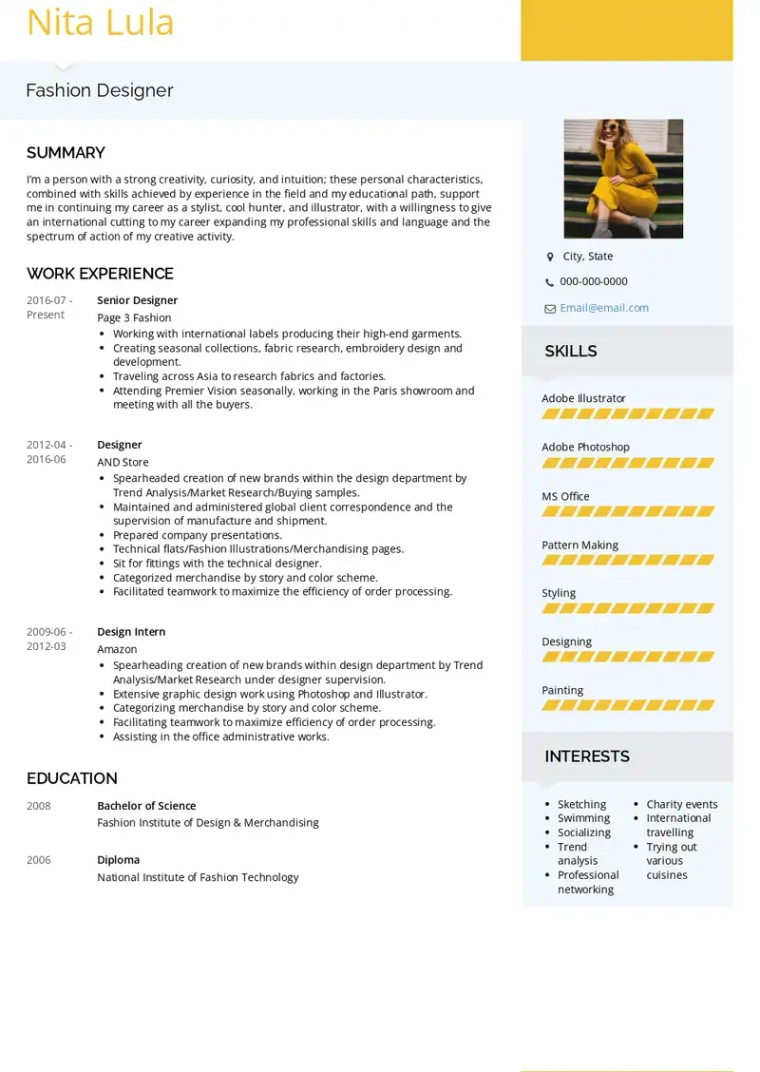
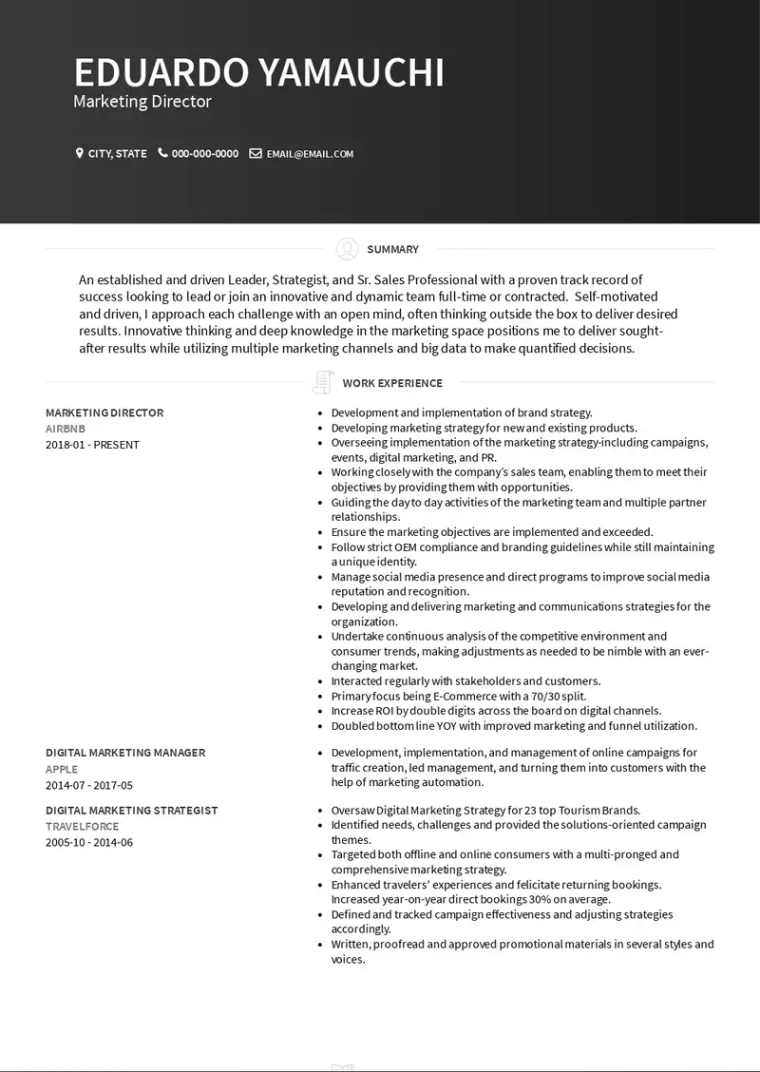
German CV Templates and Examples

Using a professional template can help you follow German CV expectations without overthinking formatting. The best German CV templates are clean, structured, and easy to scan, with clear headings and consistent date formatting.

Choose a template that fits your experience level and the type of role you are applying for, then tailor the content to match the job description.

Resume template: Browse through our gallery of German resume templates.

Choose a Template Based on Your Role

If you are unsure which layout to use, these examples can help you choose a format that matches your job type:

  • Standard German CV template: best for most office and professional roles
  • Engineer CV format: useful for technical roles where projects and tools are important
  • Business CV template: ideal for marketing, sales, and commercial roles
  • Administration CV format: helpful for operational and support roles

German CV Template

german cv template

German CV Format for Engineer
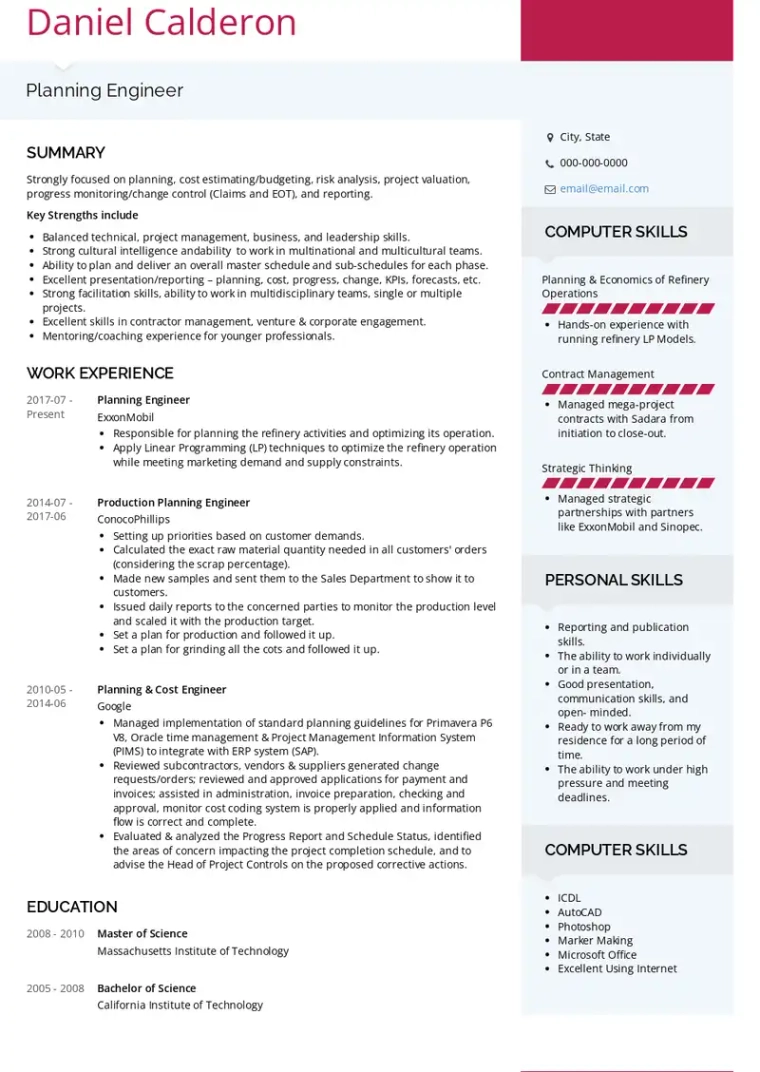
german cv format for engineer

Business German CV Template

marketing german cv template

Administration German CV Format
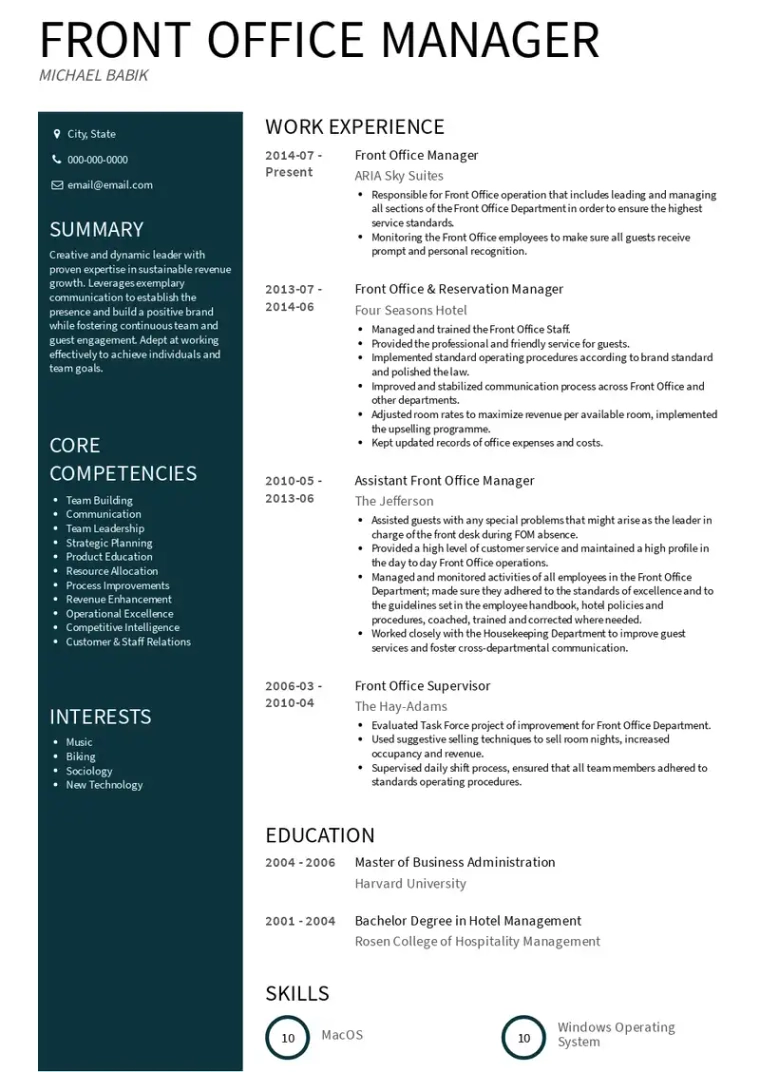
administration german cv format

FAQs About German CVs

How Long Should a German CV Be?

Most German CVs should be 1 to 2 pages long. For entry-level roles, one page is often enough. For experienced professionals, two pages is common, especially if you have several relevant roles, certifications, or technical skills to include.

Should I Write My German CV in German or English?

Your CV should match the language of the job posting. If the role is advertised in German, a German CV is usually expected. If the role is advertised in English, an English CV may be accepted, especially in international companies. If you are applying in Germany long-term, having both versions ready can be helpful.

What File Format Should I Use for a German CV?

A PDF is the safest format for most German job applications because it preserves your layout and formatting across devices. Use a clear file name such as FirstName_LastName_CV.pdf to keep your application professional and easy to manage.

Copyright ©2026 Workstory Inc.