Top Sommelier Skills For Resume
Learn how to effectively list sommelier skills on your resume with real-world examples. Includes top sommelier skills, sample resume phrases, and related skills.
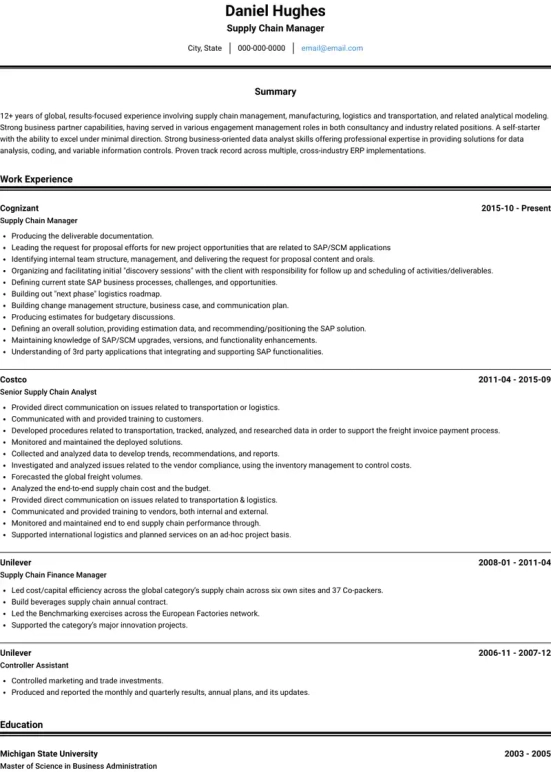
Learn how to effectively list sommelier skills on your resume with real-world examples. Includes top sommelier skills, sample resume phrases, and related skills.
Wine Knowledge - Demonstrates extensive knowledge of various wines, their regions, and flavors.
Spirits Familiarity - Understands different spirits, cocktails, and their applications in beverage service.
Food Pairing - Able to match wines and foods for an optimal dining experience.
Cellar Management - Proficient in organizing, maintaining, and rotating a wine collection.
Tasting Techniques - Possesses the ability to assess a wine's quality through blind tastings.
Customer Service - Provides excellent service, ensuring guests have an enjoyable dining experience.
Hospitality - Demonstrates warm and welcoming demeanor towards patrons.
Sales Skills - Ability to upsell and suggest wines based on guest preferences and pairings.
Beverage Cost Control - Effectively manages beverage inventory and costs.
Menu Development - Collaborates with chefs in developing wine menus.
Wine Regions & History - Knowledgeable about wine-producing regions, their histories, and styles.
Distributor Relations - Establishes and maintains relationships with suppliers and distributors.
Glassware & Storage - Understands the importance of proper glassware selection and storage.
Presentation Techniques - Able to present wines professionally, including decanting and serving techniques.
Training & Mentoring - Capable of training and guiding junior staff members.
Wine Laws & Regulations - Knowledgeable about alcoholic beverage laws and regulations.
Beverage Technology - Familiar with POS systems, inventory management software, and wine apps.
Event Planning - Plans and executes wine tastings, pairing dinners, and other events.
Sustainability Practices - Promotes environmentally friendly practices in wine selection and service.
Critical Thinking & Problem Solving - Ability to solve problems quickly and make informed decisions based on customer needs and preferences.
Organize skills into categories (e.g., Wine Knowledge, Customer Service, Technical Skills).
Use action verbs that convey results (e.g., "Increased wine sales by 30%," or "Trained 5 new sommeliers in 6 months").
Tailor your skills to the job description and emphasize those most relevant.
Quantify achievements where possible (e.g., "Managed a wine collection of over 2,000 bottles," or "Handled up to 150 guests at a single event").
Utilize industry-specific language and keywords to make your resume easily scannable by applicant tracking systems (ATS).
Developed wine lists for high-end restaurants, curating selections that pair with featured dishes.
Conducted weekly team tastings to improve staff knowledge and sales skills.
Instructed guests on proper wine service techniques, including decanting and temperature control.
Wine Knowledge:
Extensive experience in the wine industry, including working at vineyards and as a sommelier in various restaurants.
Proficient in recognizing wine varietals, regions, and flavors through blind tastings.
Customer Service:
Consistently received exceptional customer feedback for exceptional service.
Demonstrated ability to cater to diverse tastes and preferences of patrons.
Event Planning:
Organized numerous wine tastings and pairing dinners, attracting over 100 attendees per event.
Collaborated with chefs to create menus that complement the featured wines.
[In this example, skills are organized by categories]
Wine Knowledge:
Proficient in wine tasting techniques and able to identify various grape varietals, regions, and flavors.
Able to recommend wines that pair well with specific dishes based on food components and aromas.
Customer Service & Hospitality:
Provides exceptional service to guests, ensuring a memorable dining experience.
Demonstrates warm, welcoming demeanor towards patrons.
Technical Skills:
Proficient in using POS systems, inventory management software, and wine apps for efficient service.
Trains junior staff members on the use of these technologies.
Restaurant Sommelier - Manages and serves wine at a restaurant or wine bar.
Wine Educator - Teaches classes about wine, including tastings, pairings, and history.
Beverage Manager - Oversees the beverage program in restaurants or hotels.
Private Wine Consultant - Advises clients on their wine collections and purchases.
Event Coordinator (focusing on wine events) - Organizes wine-related events, such as tastings, pairing dinners, and seminars.
Wine Journalist or Critic - Writes articles about wine for publications, blogs, or websites.
Wine Importer/Distributor - Sources, purchases, and distributes wines to retailers and restaurants.
Beverage Director - Develops beverage menus, manages inventories, and oversees staff in hotels and resorts.
Culinary Arts - Understanding food preparation and presentation enhances the ability to pair wines effectively.
Hospitality Management - Knowledge of hotel management and operations can lead to opportunities in luxury hotels with extensive wine programs.
Event Planning & Coordination - Skills in planning and executing events, such as weddings or corporate functions, are valuable in the hospitality industry.
Marketing & Advertising - Understanding marketing principles can help promote a restaurant's wine program and attract new customers.
Sales - Knowledge of sales techniques and strategies can lead to success in selling wines to guests and clients.
Public Relations - Ability to manage relationships with media, influencers, and industry leaders can increase visibility for a wine program.
Catering & Banquet Management - Skills in catering and banquet management can open doors to opportunities in the event planning sector.
Nutrition & Wellness - Knowledge of nutrition and wellness trends can help in recommending wines that cater to these preferences.
Foreign Languages - Ability to speak multiple languages can be valuable when communicating with suppliers, clients, or guests from different countries.
Sustainable Agriculture - Understanding sustainable farming practices can lead to the promotion of environmentally friendly wine options.
Highlight any relevant wine-related experiences or skills acquired during the gap, such as attending tastings, workshops, or classes. Mention any wine-tasting certifications or related training completed during this time. If possible, quantify your achievements and explain how they demonstrate your commitment to the sommelier profession.
Emphasize any hands-on experience in the wine industry, such as working in a restaurant or wine bar, as well as completing online courses or certifications. Provide concrete examples of situations where you successfully applied your self-taught knowledge and demonstrated your ability to make informed wine pairing decisions.
Keep outdated skills relevant to the position and update them with current industry standards if possible. For those that are no longer relevant, consider removing them entirely or grouping them under an "Additional Skills" section at the end of your resume. If you've gained new experiences since acquiring these skills, highlight how they build upon your existing knowledge base.
Aim for one page unless you have extensive experience and achievements in the field. Keep it concise yet informative, focusing on the most relevant details that showcase your expertise as a sommelier.
List any completed certifications first, followed by those currently in progress. Mention the name of the certification program and expected completion date if known. If you're close to finishing, consider including the initials (e.g., CSW-in-progress).
Highlight any related experiences in hospitality or food service where you developed an interest in wine. Emphasize your passion for the field and your dedication to learning more by listing relevant classes, workshops, or self-study. Additionally, consider including certifications you've earned or are pursuing.
Focus on showcasing your unique strengths and achievements that set you apart from other candidates. Highlight any specialized knowledge or skills, such as expertise in a particular wine region or niche market. Tailor your resume to the specific job requirements and emphasize how your experiences align with the position's objectives.
Update your resume whenever you acquire new sommelier-related certifications, gain relevant experience, or expand your wine knowledge. At a minimum, review and refresh your resume annually to ensure it accurately reflects your current skillset and achievements.
Absolutely! Side projects and volunteer work can demonstrate your dedication to the field and showcase your creativity and initiative. They also provide opportunities to gain hands-on experience and develop new skills that may not have been gained through formal employment. Just make sure to focus on the most relevant details and quantify your accomplishments when possible.
Use industry-specific terms and phrases appropriately throughout your resume, but avoid using jargon that might be unfamiliar to hiring managers outside of the field. When in doubt, opt for clear and concise language while still emphasizing your expertise as a sommelier. Additionally, proofread your resume carefully to ensure accurate use of wine-related terminology.