Top Secondary Skills For Resume
Learn how to effectively list secondary skills on your resume with real-world examples. Includes top secondary skills, sample resume phrases, and related skills.
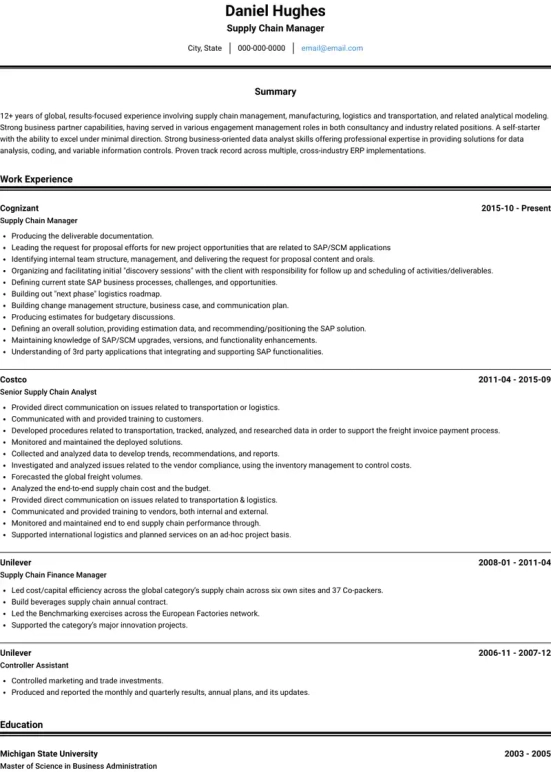
Learn how to effectively list secondary skills on your resume with real-world examples. Includes top secondary skills, sample resume phrases, and related skills.
SQL Server: Efficient data management and analysis in relational databases.
UX/UI Design: Enhancing user experiences by creating visually appealing and intuitive interfaces.
Project Management: Organizing resources, planning tasks, and monitoring project progress to meet goals.
Python Programming: Automating tasks, data analysis, and developing web applications using this versatile language.
HTML/CSS: Creating responsive, dynamic websites with strong foundations in web fundamentals.
Agile Methodology: Adapting to changing project requirements while maintaining high-quality deliverables.
Scrum Mastery: Facilitating Agile development methodologies, improving team collaboration and productivity.
JavaScript Programming: Building interactive user experiences on the web with this popular programming language.
Node.js: Developing scalable and efficient server-side applications using JavaScript.
Git Version Control: Collaborating effectively in software development by managing code changes and revisions.
APIs (Application Programming Interfaces): Building connections between software components, services, or apps.
Machine Learning Algorithms: Implementing statistical models to make predictions and improve decision-making processes.
Data Visualization Tools: Communicating complex data more effectively by creating visual representations.
Wireframing/Prototyping: Rapidly designing and testing low-fidelity prototypes of digital products before development.
Cross-Browser Compatibility: Ensuring web applications are accessible and functional across various browsers and devices.
Responsive Web Design: Adapting websites to different screen sizes for optimal user experience on mobile devices.
Accessibility: Creating inclusive digital experiences that accommodate users with disabilities.
Version Control (GitHub/Bitbucket): Collaborating in a central repository, tracking changes and maintaining versions of code.
Test-driven Development: Writing automated tests to ensure software functions as intended throughout the development process.
Continuous Integration/Continuous Deployment (CI/CD): Automating the build, test, and deployment of software applications.
Organize skills by category or role: Group related skills together for clarity and make it easy for recruiters to identify your expertise.
Use action verbs: Start each skill bullet with a verb that describes the action you took, such as "Developed," "Managed," or "Designed."
Provide specific examples: Quantify your accomplishments by including metrics, tools, or results related to each skill.
Tailor your resume for the job: Prioritize skills most relevant to the job description and downplay less important ones.
Incorporate keywords: Use keywords from the job posting in your skills section to increase the chances of being detected by applicant tracking systems.
Python Programming: Developed and maintained a data analysis pipeline using Python libraries, such as NumPy, Pandas, and Matplotlib.
SQL Server: Implemented database design, optimized queries for performance improvements, and managed data quality in an SQL Server environment.
UX/UI Design: Created wireframes, prototypes, and high-fidelity designs using Sketch, InVision, and Figma, collaborating with developers to ensure seamless implementation of designs.
Agile Methodology: Managed cross-functional teams using Scrum methodologies, facilitating daily standups, sprint planning sessions, and retrospectives to increase team productivity and efficiency.
Category: Programming Languages
Python: Developed a data analysis pipeline for customer segmentation, improving sales by 15%.
JavaScript: Built an interactive dashboard for tracking website analytics, increasing user engagement by 20%.
HTML/CSS: Designed and implemented responsive layouts for a company's marketing website, resulting in a 30% increase in mobile traffic.
Web Developer: Building websites using a combination of frontend and backend technologies.
Data Analyst: Analyzing and interpreting complex data sets to make informed decisions.
UX/UI Designer: Creating user-centered designs for digital products and applications.
Software Engineer: Developing software applications using a variety of programming languages and tools.
DevOps Engineer: Managing the development, testing, and deployment of software applications using CI/CD pipelines.
Machine Learning Engineer: Building, training, and deploying machine learning models to solve real-world problems.
Scrum Master: Facilitating Agile methodologies and ensuring project success through effective team collaboration.
Product Manager: Overseeing the development and launch of digital products, collaborating with cross-functional teams to deliver high-quality results.
QA Engineer: Testing software applications for bugs, usability issues, and compatibility problems.
Technical Writer: Documenting technical processes, creating user guides, and developing training materials.
C++ Programming: A powerful systems programming language used for building complex applications.
Swift Programming: Developing iOS apps using this modern programming language from Apple.
Java Programming: Building robust, scalable web applications and enterprise-level software.
AngularJS/ReactJS: Creating interactive user interfaces for web applications using popular JavaScript frameworks.
Ruby on Rails: Developing web applications quickly and efficiently with this popular web application framework.
Docker: Containerizing applications for easy deployment, scaling, and portability.
Jenkins/TeamCity: Automating the build, test, and deployment of software applications using these popular CI/CD tools.
Amazon Web Services (AWS): Managing cloud infrastructure, deploying applications, and storing data using AWS services.
Microsoft Azure: Building, managing, and scaling cloud solutions on the Microsoft Azure platform.
Google Cloud Platform (GCP): Utilizing Google's suite of cloud services for infrastructure, storage, and application deployment.
Discuss the reasons for these gaps briefly and honestly, focusing on how you have utilized this time to advance your skills or knowledge relevant to the position. Mention any relevant courses, certifications, or self-study you undertook during this period that align with the job requirements.
Demonstrate proficiency in these skills by providing examples of real-world projects where you successfully applied them in a secondary context. Include any relevant certifications you have earned that validate your expertise in these areas, especially those specific to the field.
If the skills are essential for the position, consider refreshing them through online courses or workshops tailored to the industry. If they are no longer required, simply omit them from your resume or group them under an "Additional Skills" section at the bottom.
Strive for a one-page resume if possible, focusing on relevance and conciseness. However, if you have extensive experience or achievements in the secondary field, consider extending your resume to two pages while ensuring each section is well organized and easy to read.
List the certification you are pursuing with its name and expected completion date. This demonstrates your commitment to ongoing learning and professional development within the secondary field.
Highlight any transferable skills from other fields, as well as your enthusiasm for the secondary sector. Emphasize any related coursework, internships, or volunteer work you've done within this field, showcasing how they are applicable to the position you are applying for.
Focus on highlighting your unique strengths and achievements that set you apart in the secondary field. Showcase your passion and dedication to this area, as well as how you can bring fresh ideas and perspectives to contribute effectively.
Regularly review and update your resume at least once every six months or when you acquire new relevant skills or certifications specific to the secondary field. Ensure that your resume is always up-to-date and accurate.
Include relevant side projects or volunteer work if they demonstrate valuable skills or experiences applicable to the position within the secondary field. Highlight your contributions, achievements, and the impact of your work in these roles.
List them prominently in a separate section, making sure to include the name of the certification or award, issuing body, and date earned. Provide brief details about what the certification entails and how it benefits the employer within the secondary field.