Top Multi-Skilled Skills For Resume
Learn how to effectively list multi-skilled skills on your resume with real-world examples. Includes top multi-skilled skills, sample resume phrases, and related skills.
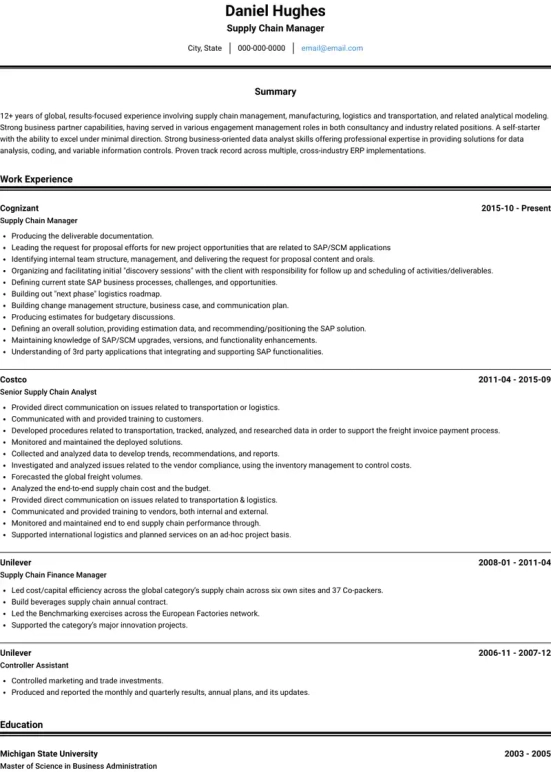
Learn how to effectively list multi-skilled skills on your resume with real-world examples. Includes top multi-skilled skills, sample resume phrases, and related skills.
Project Management: Overseeing multiple tasks, timelines, and resources to deliver a project successfully.
Leadership: Guiding a team towards achieving common goals, inspiring them with vision, and fostering collaboration.
Communication (Verbal & Written): Articulating ideas clearly and effectively, both in speech and writing, to various audiences.
Problem-Solving: Identifying issues, analyzing them, and implementing effective solutions.
Creativity: Generating unique and valuable ideas that contribute to the success of projects or initiatives.
Collaboration: Working effectively with others, leveraging diverse perspectives to achieve common objectives.
Adaptability: Quickly adjusting to new situations, technologies, or work environments.
Time Management: Prioritizing tasks and managing time efficiently to maximize productivity.
Technical Skills (e.g., Python, SQL Server, UX/UI): Mastering various technical tools and methodologies relevant to the job requirements.
Data Analysis: Extracting insights from data sets to inform decision-making processes.
Presentation Skills: Delivering engaging presentations to convey complex ideas simply and persuasively.
Negotiation: Achieving mutually beneficial agreements through compromise and understanding other perspectives.
Critical Thinking: Analyzing situations objectively, making informed decisions, and evaluating results.
Emotional Intelligence: Understanding and managing one's own emotions and those of others to foster better relationships and productivity.
Teamwork: Working collaboratively with others towards a common goal, leveraging individual strengths.
Conflict Resolution: Managing disagreements constructively to maintain harmony in the workplace and achieve desired results.
Active Listening: Focusing on what is being said and ensuring full understanding before responding.
Cross-Functional Understanding: Awareness of various departments within an organization and how they contribute to overall success.
Technical Writing: Creating clear, concise, and accurate written documents related to technical topics.
Leadership in Agile Environments: Guiding a team through the iterative and flexible process of Agile methodologies to deliver software quickly and effectively.
Organize by relevance: Group skills based on their relevance to the job you are applying for, putting the most important ones at the top.
Use action verbs: Begin each bullet point with an active verb that describes what you did with the skill, such as "managed," "led," or "designed."
Quantify results: Include specific numbers, percentages, or other measures of success to demonstrate your impact.
Tailor descriptions: Modify your descriptions to match the job requirements and show how your skills apply to that role specifically.
Show versatility: Demonstrate your ability to work in various settings, technologies, or industries by providing examples from diverse experiences.
Project Management: Led cross-functional teams on multiple projects, ensuring timely delivery and adherence to budget constraints.
Technical Skills (e.g., Python): Developed scripts using Python for data analysis and visualization, streamlining workflows and improving efficiency.
Communication: Presented complex technical concepts to non-technical stakeholders effectively, ensuring understanding and alignment on project goals.
In a hybrid role as a Project Manager and Technical Lead, I collaborated with cross-functional teams to develop and launch innovative software solutions. My responsibilities included overseeing project timelines, managing team dynamics, developing technical components using Python, and presenting project progress to stakeholders in both written and verbal formats.
Leadership & Communication: Mentored junior team members, providing guidance on professional growth and fostering a positive work environment.
Project Management: Managed multiple projects concurrently, ensuring timely delivery of high-quality results while maintaining budget constraints.
Technical Skills (e.g., SQL Server): Designed and implemented efficient database structures using SQL Server to store and analyze data.
Creativity & Problem-Solving: Developed innovative solutions to technical challenges, leading to improved efficiency and productivity.
Collaboration: Collaborated with cross-functional teams to deliver projects that met or exceeded client expectations.
Product Manager – Overseeing the development and launch of new products, requiring leadership, project management, and technical skills.
Project Coordinator – Managing multiple tasks and resources to ensure project success, necessitating excellent communication, organization, and adaptability.
Scrum Master – Facilitating Agile teams in software development, demanding strong leadership, collaboration, and problem-solving skills.
UX/UI Designer – Creating intuitive and user-friendly interfaces for digital products, requiring a blend of creativity, technical skills, and an understanding of human behavior.
Data Analyst – Extracting insights from data to inform business decisions, requiring strong analytical, problem-solving, and communication abilities.
Technical Writer – Crafting clear, concise, and accurate technical documents, demanding excellent written and verbal communication skills.
Product Marketing Manager – Developing and executing marketing strategies for new products, requiring strong leadership, collaboration, and adaptability.
Business Analyst – Analyzing business processes to identify areas for improvement, necessitating problem-solving, critical thinking, and communication skills.
Software Development Life Cycle (SDLC): Understanding the phases of software development to ensure effective collaboration and project delivery.
Scrum Framework: Familiarity with Agile methodologies, including Scrum, to work effectively in iterative and flexible environments.
Kanban Methodology: Knowledge of Kanban, another Agile methodology, to visualize workflow and improve efficiency.
User Research Methods: Understanding various research methods to gather user insights and inform design decisions.
Design Thinking: Applying a human-centered approach to problem-solving, focusing on empathy, creativity, and innovation.
Iterative Design Processes: Refining designs through cycles of testing and refinement to deliver high-quality results.
Usability Testing: Conducting user tests to validate design decisions and ensure usability.
Qualitative & Quantitative Research Methods: Gathering and analyzing data using both qualitative and quantitative research methods.
Project Finances Management: Budgeting, forecasting, and managing financial resources for projects.
Risk Management: Identifying, assessing, and mitigating potential risks in project delivery to ensure success.
List relevant workshops, self-study courses, personal projects, or other professional development activities during employment gaps. Provide brief explanations for these gaps if necessary, such as extended travel, illness, or caregiving responsibilities.
Include a dedicated section titled 'Skills' or 'Competencies' to list both formally learned and self-taught abilities. Describe each skill in detail, including any relevant software, tools, or methodologies mastered through independent study. Highlight achievements resulting from these skills.
If an outdated skill is still relevant to the position being applied for, list it and indicate familiarity with current industry trends and best practices. For skills that are no longer applicable, consider removing them or grouping them under 'Additional Skills.'
Aim for a one to two page resume focusing on most relevant and impressive skills, experiences, and achievements. Customize the resume to fit specific job requirements, including only information directly related to the position.
List certifications under 'Certifications In Progress,' including the certification name, institution awarding it, and expected completion date. Emphasize ongoing pursuit of this credential to develop multi-skilled skillset.
Highlight transferable skills from previous roles or projects and demonstrate eagerness to learn by listing relevant online courses, workshops, or seminars attended, along with any related certifications or accomplishments. Tailor resume to specific job requirements, demonstrating potential value as a newcomer to the field.
Emphasize unique selling points and achievements that set you apart from other candidates. Highlight relevant certifications, specialized skills, or notable projects. Demonstrate passion for the field by mentioning industry trends, thought leaders, or recent developments.
Regularly review and update your resume at least once every six months or when acquiring new skills, experiences, or certifications. Ensure that the resume is always up-to-date with the latest industry trends and technologies.
Absolutely! Include side projects and volunteer work under relevant sections like 'Projects' or 'Volunteer Experience.' Tailor these experiences to the position being applied for, highlighting achievements and explaining how they relate to job requirements.
Incorporate soft skills into work experience descriptions rather than listing them separately. Showcase leadership, communication, problem-solving abilities, etc., by discussing examples of when these skills were demonstrated during projects or other professional experiences.