What Do Hiring Managers Look for in an Honors Section on a Resume?
- Evidence of exceptional academic or professional achievements that set you apart from other candidates.
- Awards or recognitions that demonstrate your dedication, leadership, or excellence in your field.
- Relevance of the honors to the position or industry you’re applying for.
- Specificity and credibility of the achievements, such as recognized titles or organizations granting the honors.
- A concise, organized presentation that highlights your accomplishments without overwhelming the resume.
How to Add an Honors Section to Your Resume?
To include an honors section effectively, follow these steps:
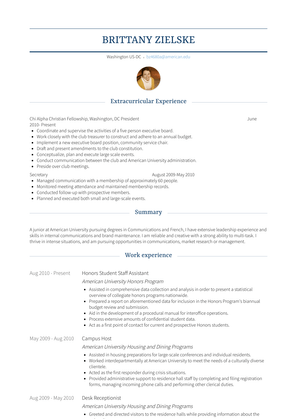
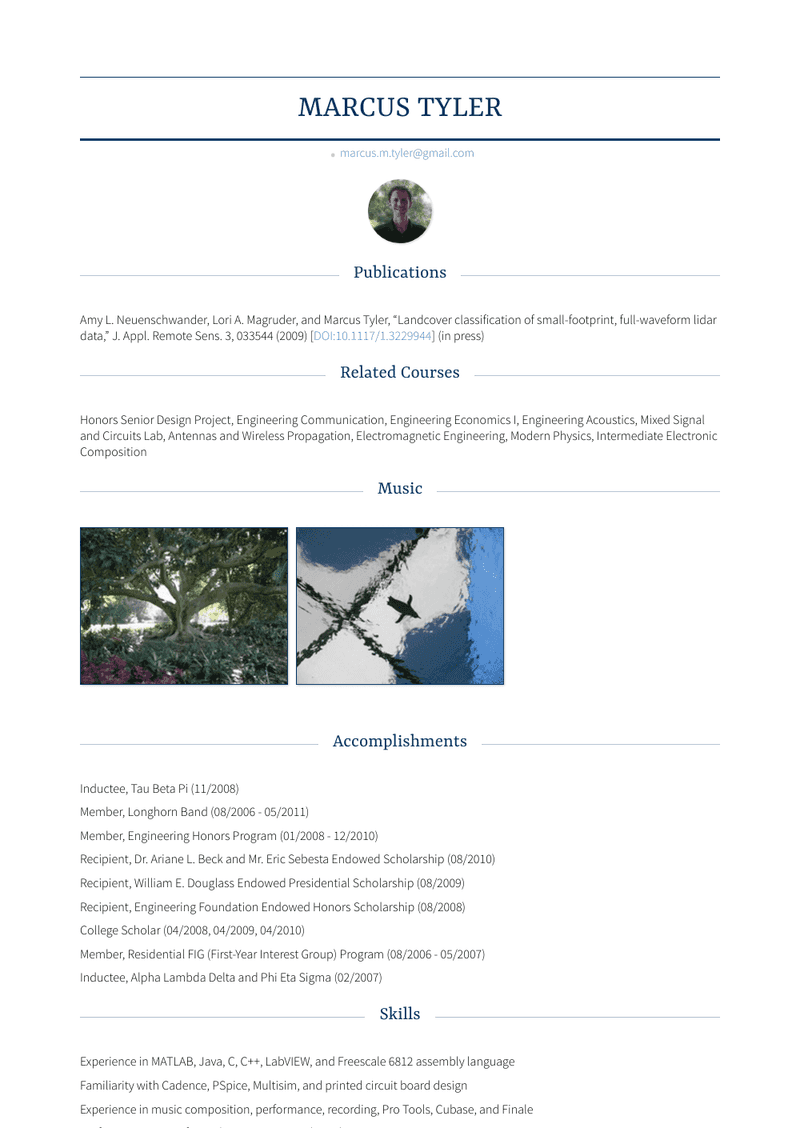
- Create a dedicated section labeled “Honors and Awards” or "Achievements" if you have multiple relevant accolades.
- List honors in reverse chronological order, starting with the most recent or prestigious awards.
- Provide the name of the award, the granting organization, and the date received.
- Optionally, include a brief description if the honor is not self-explanatory or particularly notable.
- Ensure the section aligns with the overall design and structure of your resume.
Examples of an Honors Section
Example 1: Academic Honors
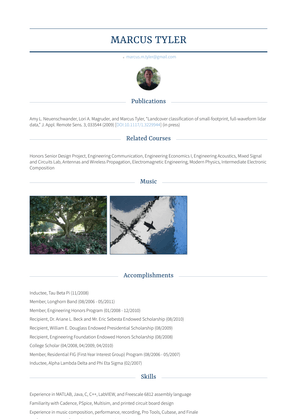
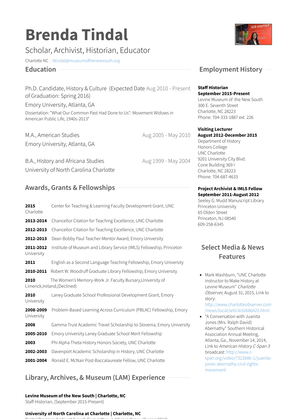
Honors and Awards
- National Merit Scholar, National Merit Scholarship Corporation – 2023
- Dean’s List, University of California, Berkeley – Fall 2021, Spring 2022
- Outstanding Thesis Award, Department of Sociology, UC Berkeley – 2022
Example 2: Professional Honors
Honors and Awards
- Employee of the Month, XYZ Corporation – March 2023
- Excellence in Leadership Award, Project Management Institute – 2021
- Best Innovation in Marketing, American Marketing Association – 2020
Example 3: Mixed Honors
Honors and Awards
- Volunteer Excellence Award, Habitat for Humanity – 2023
- Gold Medalist, National Science Olympiad – 2022
- Cum Laude, Harvard University – 2021
- Best Team Player, ABC Sales Corporation – 2020
Placement of the Honors Section on a Resume
- Recent Graduates or Entry-Level Candidates: Place the Honors section near the top of your resume, typically after education, to emphasize academic achievements.
- Experienced Professionals: Position the Honors section lower on your resume, after professional experience and skills, unless the awards are directly relevant to the job.
Tips for Including Honors on a Resume
- Be Selective: Only list honors that are relevant to the role or significant enough to add value.
- Use Proper Names: Include the full name of the award or recognition and avoid acronyms unless well-known (e.g., “Phi Beta Kappa”).
- Quantify When Possible: If the award is competitive, mention the level of recognition, such as “Top 5% of the graduating class.”
- Stay Concise: Avoid overloading the section with less meaningful honors; focus on quality over quantity.
Additional Resources