United Kingdom CV Tips & Format Requirements

Applying for a job in the United Kingdom? This guide has the tips, examples, & format requirements needed to write the perfect UK CV. Create your VisualCV today!

UK CV Requirements

Applying for a position in the United Kingdom requires a specific CV format. When you are looking for work in the UK, make sure that your CV is suitable for a UK audience and will meet the expectation of recruiters.

Browse our gallery of resume examples here.

UK CV Image

How do I Write a UK CV in 2025?

To write a job-winning UK CV in 2025, follow these steps:

  • Choose the right UK CV format. Use a reverse chronological format if you have consistent work experience, especially in the same industry. If you’re a recent graduate or changing careers, a functional CV
  • Start with a professional CV header. Include your full name, phone number, email address, and LinkedIn profile (if relevant). Avoid including your photo, date of birth, marital status, or full address—these are not required on a UK CV in 2025.
  • Write a tailored personal statement. Craft a 3–5 line summary that highlights your core strengths, experience level, and career goals. Make sure it's specific to the role you're applying for.
  • Detail your work experience. List your previous roles in reverse chronological order. For each job, include your job title, company name, dates of employment, and 4–6 bullet points outlining your key responsibilities and achievements (quantify where possible).
  • Include a key skills section. Highlight 6–10 relevant skills that match the job description. Use bullet points or a two-column format to make it easy to scan.
  • Add education, certifications, and achievements. Include your academic qualifications and any relevant professional certifications. Optionally, add a section for achievements, awards, languages, or volunteer experience if they strengthen your application.

How to Format a UK CV?

To best format the CV, you need to select the best layout based on your relevant past experience and the type of role you are applying for.

There are three general CV layouts in UK that are popular:

  • Reverse chronological CV format
  • Combination CV format
  • Functional CV format

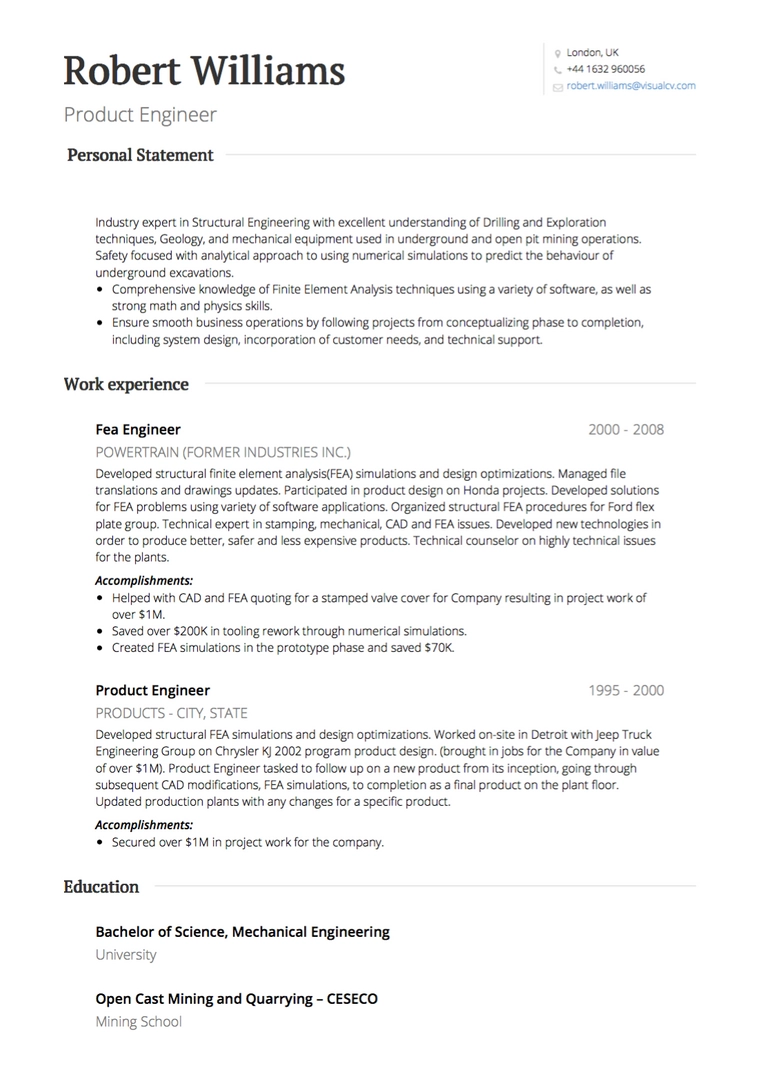
Reverse Chronological CV Format for UK

A reverse chronological CV format is the best choice if you are applying for a job in the UK with a considerable relevant work experience. Here is what a UK CV format following reverse chronological order looks like:
reverse chronological uk cv format

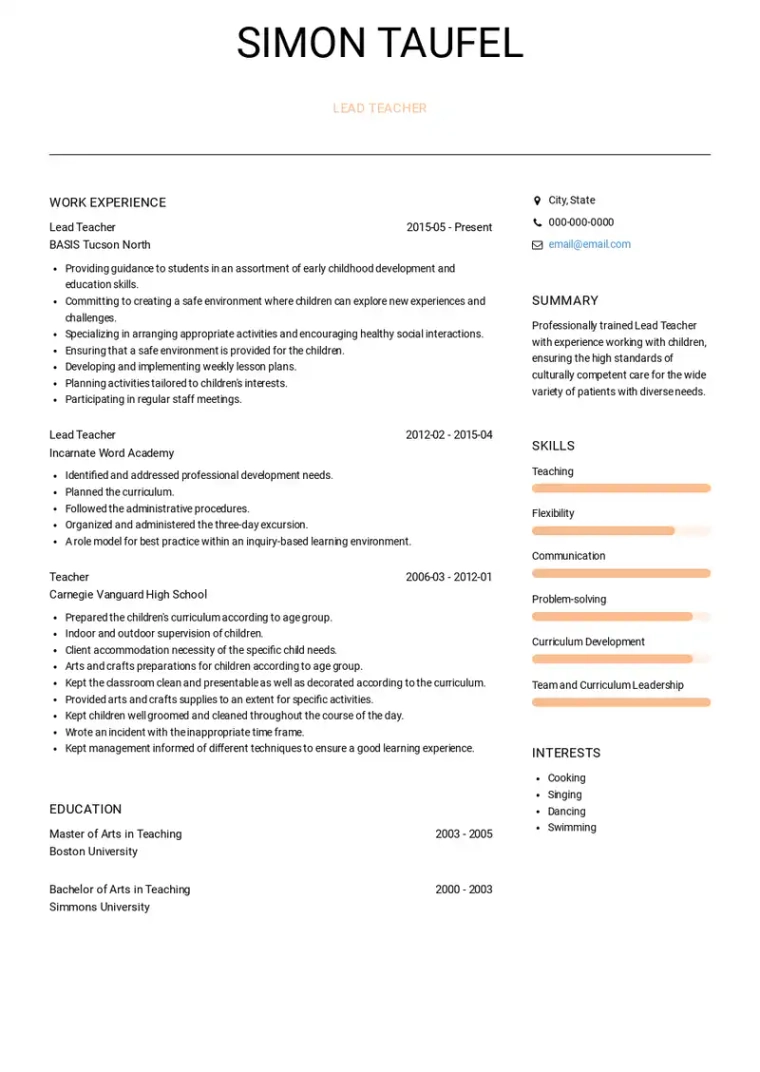
Functional CV Format for UK

A functional CV format is more suitable for those who have little to no work experience. This CV format allows you to showcase your skills to compensate for the lack of experience when you apply to jobs in the UK. Here is what a UK CV functional format looks like:
functional cv format uk example

Combination CV Format for UK

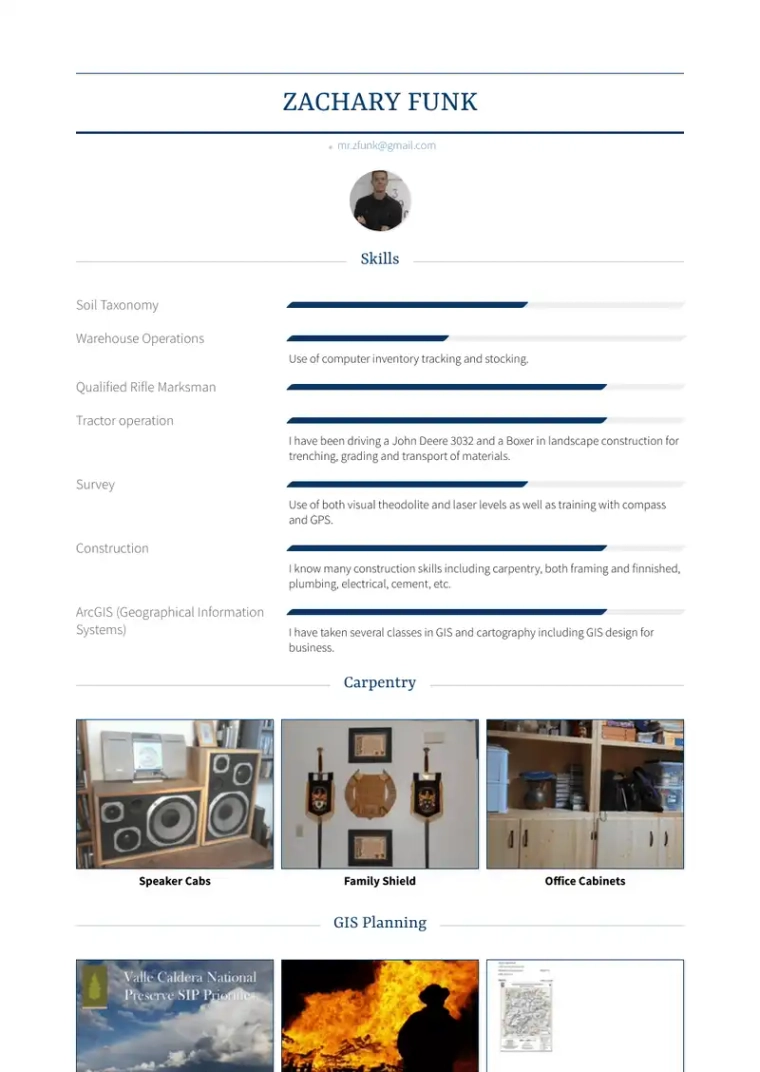
A combination CV format is helpful if you are applying for a job in the UK where you wish to display with clarity how your past skills and experience are transferable to the job you are applying for.

A combination CV format further allows you to be very selective about the skills and experience you wish to highlight to a recruiter. Here is what a UK CV functional format looks like:
combination cv format for uk

UK CV Examples

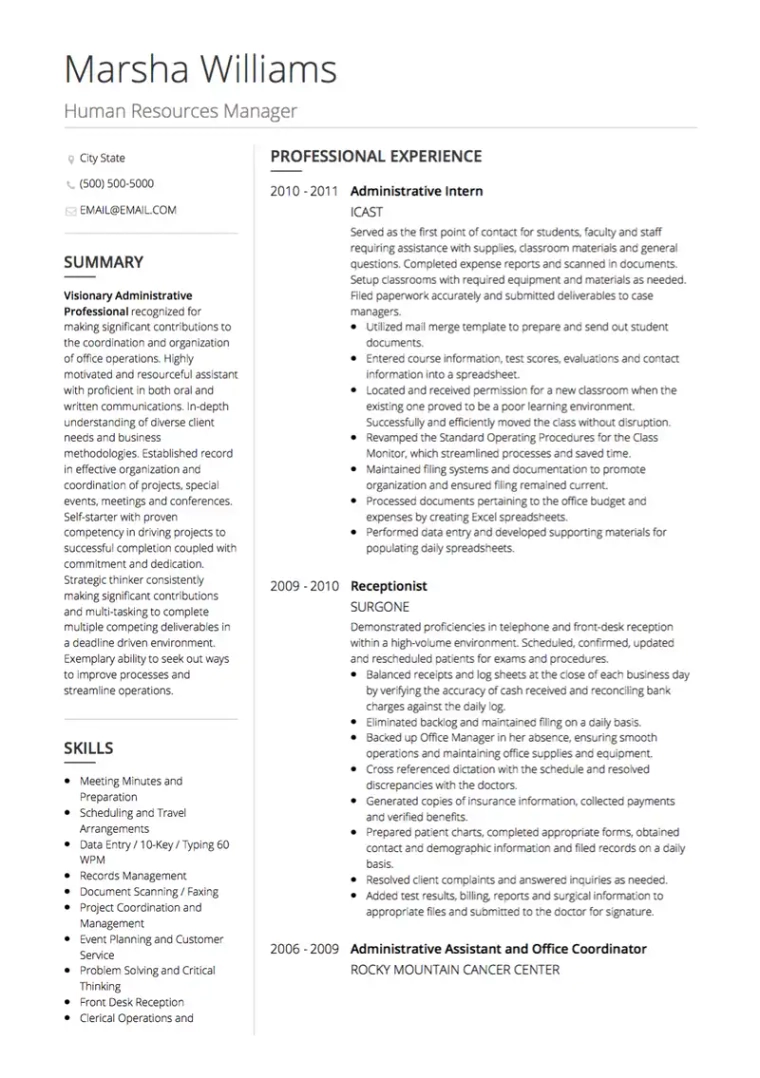
Administration UK CV Example

administration uk cv example

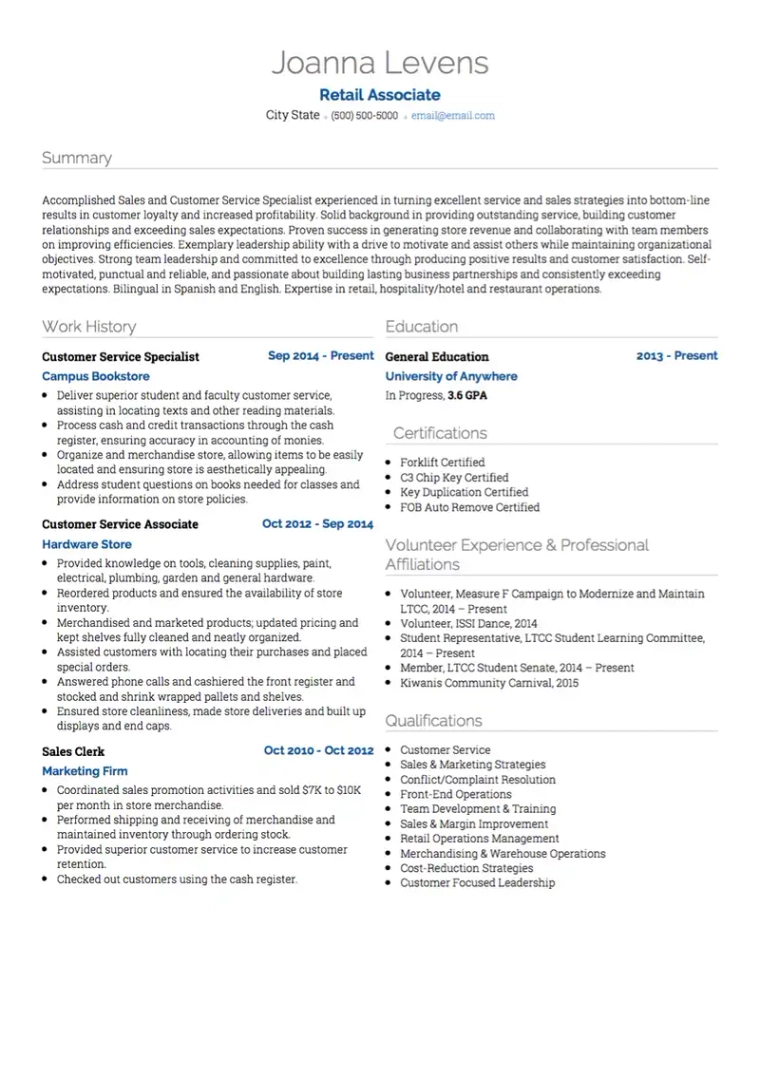
Retail UK CV Example

retail uk cv example

Professional British CV Example
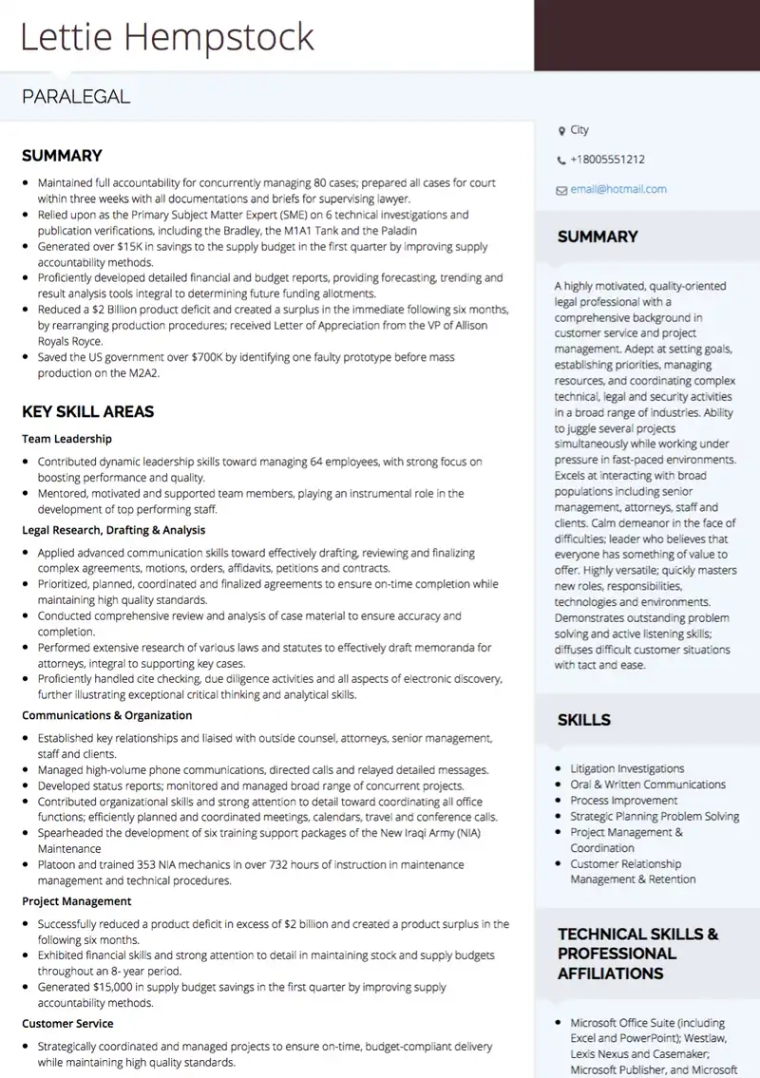
professional uk cv example

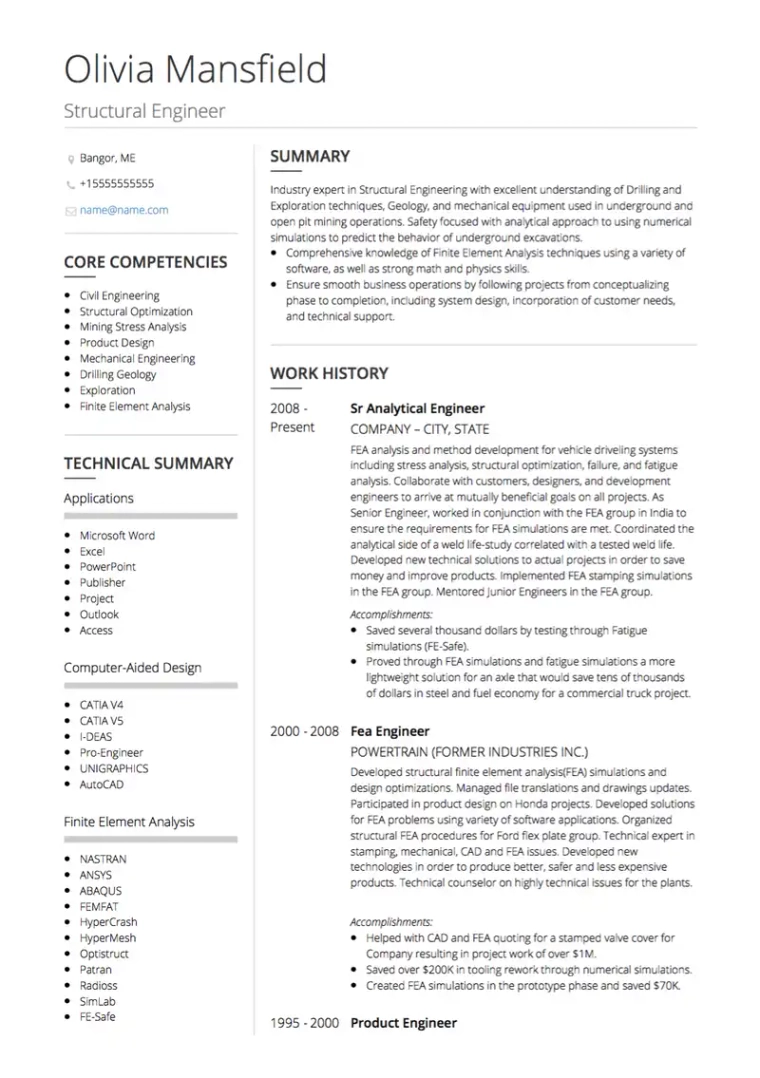
Engineer UK CV Example

civil engineer uk cv example

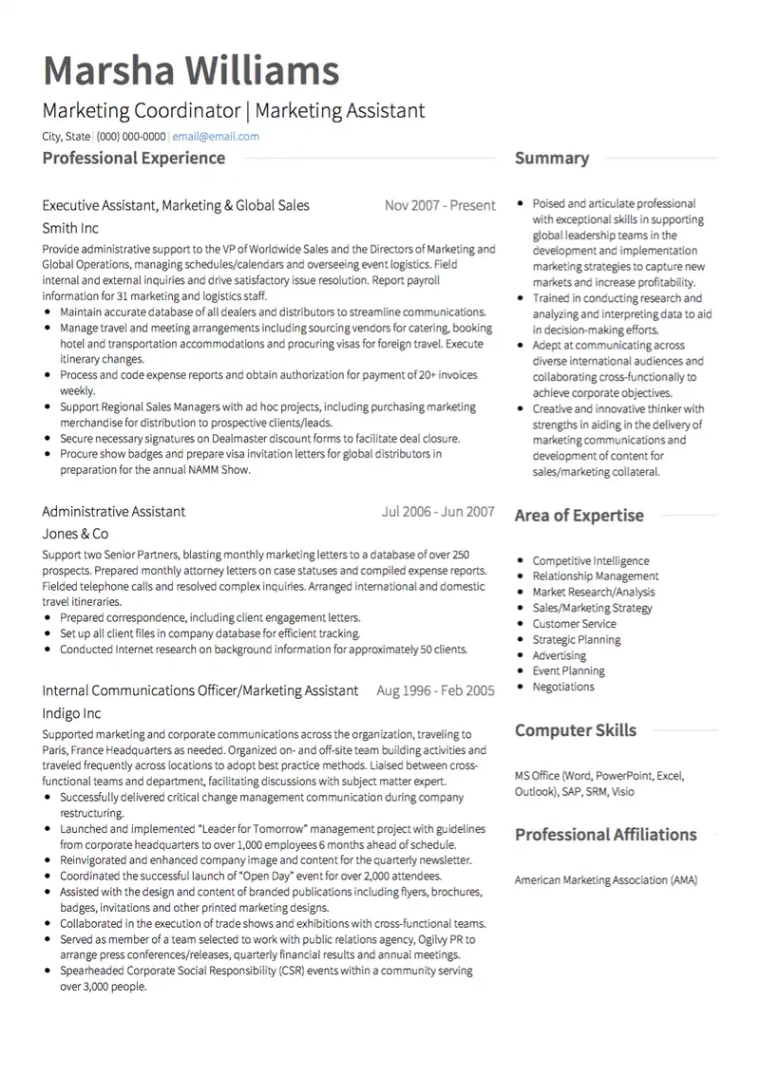
Marketing UK CV Example

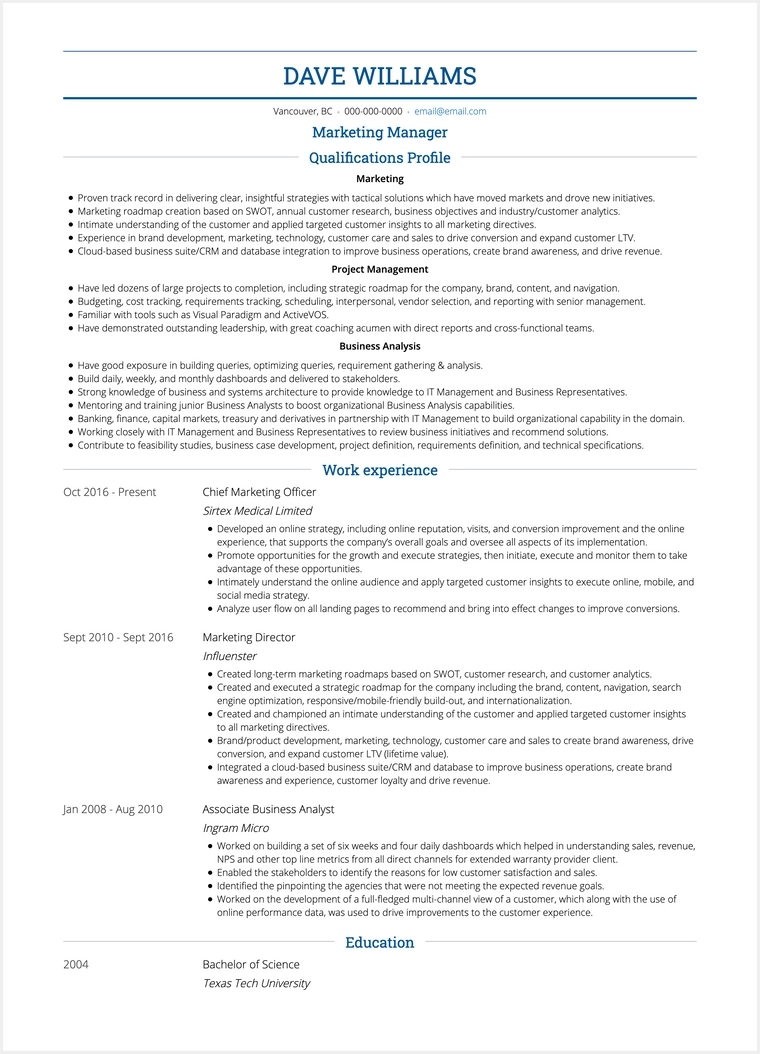
marketing uk cv template

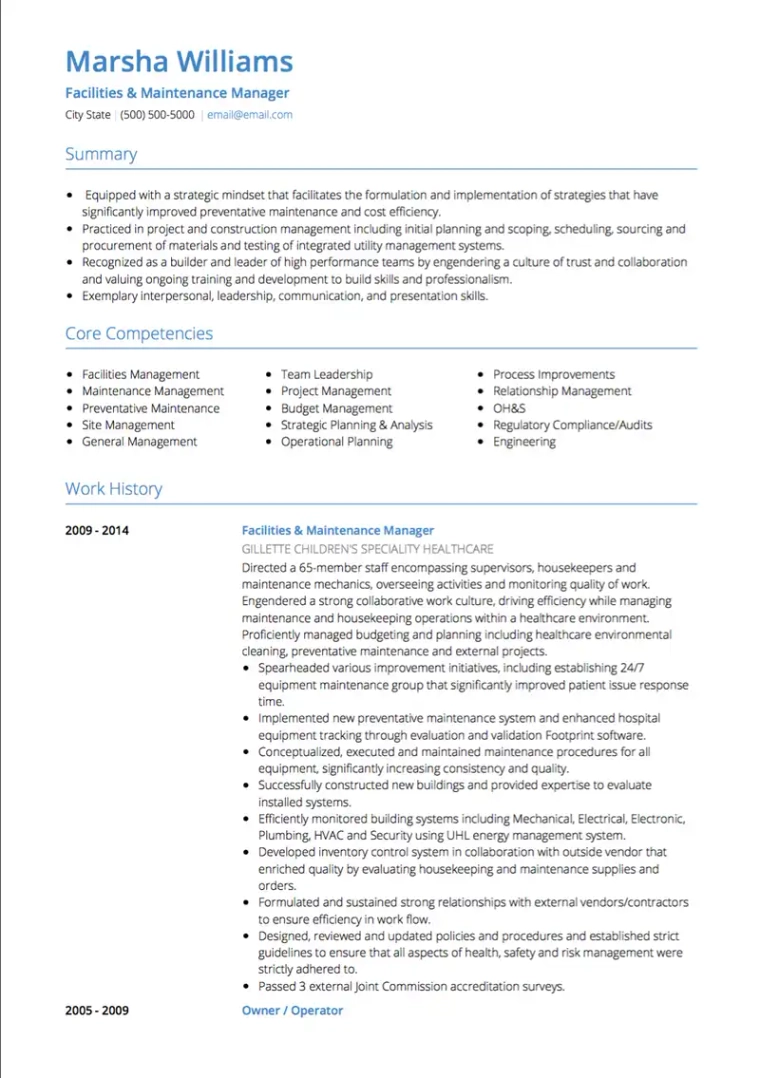
Management UK CV Example

management uk cv example

Accounting UK CV Example

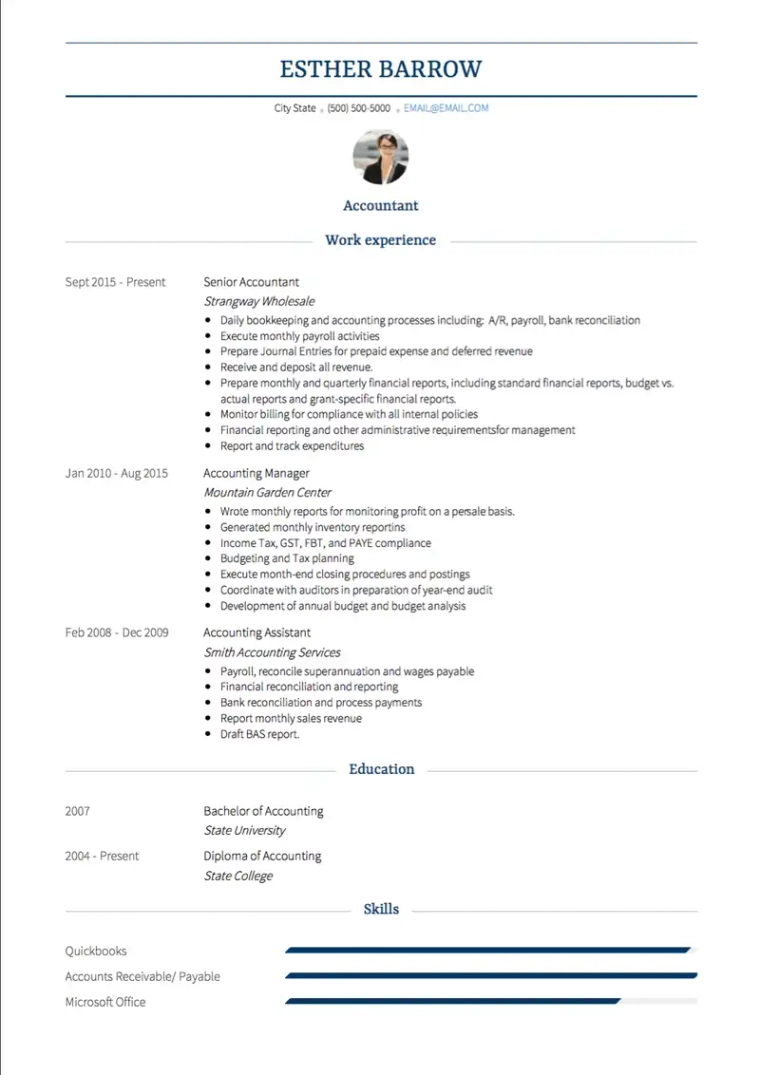
accountant uk cv template

UK CV Tips and rules:

CV, not Resume: The term ‘CV’ is most common in the United Kingdom. The terms ‘resume’ and ‘curriculum vitae’ are rarely used.

Language: Be sure to write your CV in proper British English - for example, write ‘labour’ rather than ‘labor’ and ‘optimise’ rather than ‘optimize’.

Length: Your UK CV should not exceed two pages - “no longer than two sides of A4”, according to Rachel Swain at Prospects.ac.uk.

Resume template: Browse through our gallery of UK resume templates.

UK CV Format, Order and Layout:

Photo: A photo is not expected on your UK CV. While common in the rest of Europe, it is rare to see a picture on a CV in the United Kingdom. In certain roles, such as some sales positions or a creative job where visual presentation is key, a picture may be acceptable, but be sure to research the company first.

Personal Information: The only personal information required for a UK CV is your contact information - your name, home address, mobile phone number and email address (which should be some variation of your name: firstname.lastname@example.com or something similar). No other personal information should be included.

Personal Statement: Your CV should begin with a brief description, no more than five lines of text, that describes who you are, what you can do, and what you bring to the position you are applying to. Your personal statement should be tailored to the job description - focus on the skills and experience that make you suited for this particular job. Personal statements are not mandatory, but they are a great way to grab an employer’s attention. According to Michael Cheary at reed.co.uk, “a well written personal statement can mean the difference between standing out from the crowd and your application being rejected.”

Work experience: Display your previous jobs in reverse chronological order, beginning with the most recent. Use this space to showcase your achievements in each position - important milestones and quantifiable data are more impressive than daily duties. Use proactive action words to make your experience sound interesting and dynamic.

Education: Education should also be listed from most recent to least recent. Include all relevant certifications, including institution names and dates. Your education section should come after your work experience, unless you graduated very recently.

Other sections for your UK CV:

Skills: It is common to include a simple list of skills kept separate from your work history. This provides a quick, at-a-glance look at what you excel at, without delving into your experience too much.

Volunteer experience: Volunteering experience should be noted on your CV. If you prefer, you can include volunteer experience in your Work History section, but remember to specify when a role is a volunteer position.

Languages: Feel free to note any languages you are fluent in. This is particularly important when the job calls for multiple languages.

References: It is not necessary to include references in your CV. Instead, follow up with references to an employer separately when asked.

How to Write a Personal Statement for a UK CV in 2025

A personal statement - also known as a professional profile or CV summary - is a crucial section at the top of your UK CV. It’s typically 3–5 lines long and should give hiring managers a snapshot of your experience, skills, and career goals.

This section helps you make a strong first impression, especially in competitive UK job markets. In 2025, recruiters expect tailored personal statements that clearly demonstrate why you're a strong match for the role.

What to Include in Your UK CV Personal Statement

  • Who you are: Start with your job title or professional identity (e.g., "Experienced Marketing Manager" or "Recent Computer Science Graduate").
  • What you offer: Mention your top skills, industry knowledge, or years of experience relevant to the job.
  • What you're looking for: State your career goal or the type of role you’re targeting, aligning it with the employer’s needs.

Example of a UK CV Personal Statement

“Results-driven Digital Marketing Manager with over 6 years of experience developing data-led campaigns for e-commerce brands across the UK and Europe. Proven track record in increasing conversion rates and managing multi-channel strategies. Now seeking to bring my expertise to a fast-growing retail tech company.”

How to Write a Core Skills Section for a UK CV

The Core Skills section (also called "Key Skills" or "Professional Skills") is one of the most important parts of a UK CV. In 2025, recruiters and applicant tracking systems (ATS) often scan for skills within seconds. A well-written skills section can:

  • Highlight your strengths right away
  • Improve readability for hiring managers
  • Increase your chances of passing ATS filters

This section is especially helpful for:

  • Entry-level job seekers who need to showcase value beyond experience
  • Career changers who want to highlight transferable skills
  • Technical professionals who need to list platforms, tools, or methods

How to Write the Core Skills Section on a UK CV

  • Use bullet points or a two-column layout to make it easy to scan
  • List 6 to 10 relevant skills that match the job you’re applying for
  • Include both hard and soft skills, such as “Excel proficiency” or “Team Leadership”
  • Tailor the skills to each job description using language the employer uses

Example Core Skills Section (Marketing Role in London)

Core Skills

  • SEO and SEM Strategy
  • Google Analytics and GA4
  • Campaign Management
  • Copywriting and Content Marketing
  • A/B Testing and Conversion Optimisation
  • Stakeholder Communication
  • Social Media Strategy
  • Budget Management
  • CRM Tools (HubSpot, Salesforce)

How to List Education and Qualifications on a UK CV

The Education and Qualifications section on a UK CV tells employers about your academic background, certifications, and relevant training. In the UK, this section is especially important for graduate roles, public sector jobs, and any position where credentials are a key requirement.

What to Include in Your Education Section

  • Degree or qualification title (e.g. BA in English Literature)
  • Name of the institution (e.g. University of Manchester)
  • Dates attended or graduation year
  • Grades or classification (e.g. 2:1 Honours, A-levels: AAB)
  • Relevant modules or coursework (optional but useful for entry-level roles)

How to Format the Education Section on a UK CV

List your qualifications in reverse chronological order, starting with the most recent. If you have a university degree, you typically don’t need to list your GCSEs in detail unless specifically required.

Example (Graduate or Entry-Level)

Education BA (Hons) Business Management University of Leeds, 2020 – 2023 Achieved: 2:1 Key modules: Strategic Marketing, Organisational Behaviour, Business Analytics

A-Levels Manchester Sixth Form College, 2018 – 2020 Grades: AAB (Economics, Maths, English Literature)

Example (Experienced Professional)

Education and Certifications MSc in Data Science University College London (UCL), 2018 – 2019

BSc in Computer Science University of Bristol, 2015 – 2018

Professional Certification Google Data Analytics Certificate, Coursera, 2022

If you're changing careers or applying to a role that requires specific credentials, consider adding a short "Certifications" or "Training" subsection right below or within this section.

How to Write the Work Experience Section on a UK CV

The Work Experience section is where you prove your value to employers. In the UK job market, hiring managers expect to see clear, results-driven examples of what you've done, where you've worked, and how you made an impact.

How to Structure Work Experience on a UK CV

Use reverse chronological order, starting with your most recent role. For each job, include:

  • Job title
  • Company name and location
  • Dates of employment (month and year)
  • 4 to 6 bullet points highlighting your key responsibilities and achievements

Keep the layout consistent and avoid long paragraphs. Use bullet points that start with strong action verbs and, where possible, include metrics (percentages, time saved, revenue generated, etc.).

Example Work Experience Section (Mid-Level Role)

Digital Marketing Executive BrightAgency, London — Jan 2021 to Present

  • Developed and managed paid social campaigns that increased conversions by 22%
  • Led SEO strategy, improving organic traffic by 45% in 12 months
  • Coordinated with external agencies and in-house designers on multi-channel projects
  • Monitored campaign performance using Google Analytics and Data Studio
  • Reported monthly KPIs to senior leadership and made data-led optimisation suggestions

Marketing Assistant StartUpX, Manchester — Jul 2019 to Dec 2020

  • Created email marketing campaigns with a 28% average open rate
  • Managed company LinkedIn and Twitter accounts, growing followers by 35%
  • Assisted in organising promotional events and webinars

Tips for Writing Work Experience on a UK CV

  • Focus on achievements, not just duties
  • Use numbers and results to show impact (e.g. “Reduced churn by 15%”)
  • Tailor bullet points to match the skills and requirements in the job description
  • Avoid listing every job if you have a long career — focus on the most relevant roles

How to List Certifications on a UK CV

If you hold relevant certifications, list them in a separate Certifications section beneath your Work Experience or Education. This is especially useful in technical fields, project management, finance, healthcare, or any role where formal qualifications strengthen your application.

What to Include

  • Certification name
  • Issuing organization
  • Completion year (or expiry date, if applicable)

Only include certifications that are current, relevant, and recognised in your industry.

Example Certifications Section

Certifications

  • PRINCE2 Foundation, AXELOS — 2023
  • Google Analytics Individual Qualification — 2022
  • First Aid at Work (3-day) — 2024
  • Microsoft Excel Expert Certification, MOS — 2022

Additional Sections to Include on a UK CV

To strengthen your CV and show more of who you are, you can add optional sections — especially if they’re relevant to the job.

Languages

If you speak multiple languages, especially in international roles, include a Languages section.

Languages

  • English — Native
  • Spanish — Intermediate
  • French — Basic

Volunteer Experience

This is useful for entry-level candidates or anyone looking to show transferable skills.

Volunteer Experience Fundraising Volunteer British Heart Foundation, 2023

  • Organised local events and raised over £2,000 for charity
  • Managed digital outreach and community engagement

Awards or Achievements

List notable accomplishments such as scholarships, professional awards, or recognition.

Achievements

  • Winner of “Employee of the Year”, BrightAgency — 2023
  • Dean’s List, University of Leeds — 2021 and 2022

Ensuring Accurate Contact Details and Final Review of Your CV in 2025

Begin your CV with accurate contact details, such as your telephone number and email address, to ensure employers can easily reach you. Review your CV carefully to ensure it reflects your skills, professional qualifications, and relevant experience. Double-check for errors, tailor the document to the role, and format it for readability to pass ATS and attract the recruiter's attention.

Professional Qualifications

Highlight any certifications, training programs, or professional courses you have completed. This demonstrates your commitment to professional growth and aligns with applicant tracking systems. Examples include industry-specific qualifications, licenses, or short courses that add value to your application.

Key Skills

List your core competencies and strengths in this section. Use bullet points to emphasize skills such as transferable skills, relevant information, and job-specific abilities. Tailor this section to the job description to capture the recruiter's attention effectively.

Work Placements

Include details of internships, apprenticeships, or work placements relevant to the job. This section is especially valuable for recent graduates, showcasing practical experience and relevant achievements that align with the role.

Extracurricular Activities

Detail activities outside work that contribute to your personal and professional development. Focus on activities that demonstrate transferable skills or are relevant to the job, such as volunteering, leadership roles, or team projects.

References

Mention that references are available upon request. This indicates readiness to provide endorsements, which is essential for building trust with potential employers.

Additional Tips

  1. Structure your CV in reverse chronological order to align with UK CV standards.

  2. Include accurate contact details, such as your telephone number, to ensure easy communication.

  3. Use bullet points for clarity and ensure each section is concise and focused on the recruiter's needs.

  4. Tailor your CV to highlight relevant experience and provide evidence of your skills and achievements.

  5. Double-check your CV for any errors and format it for readability to pass applicant tracking systems.

Highlighting Extra-Curricular Activities and Transferable Skills for UK Jobs in 2025

Include extra-curricular activities that illustrate transferable skills like teamwork, leadership, and communication. These activities, such as volunteering or university societies, should align with the role and demonstrate qualities that are relevant to the job. Use bullet points to clearly explain how these activities have helped you build skills applicable in the workplace, offering a complete picture of your capabilities.

What is a UK CV Format?

The UK CV format requires your CV to be:

  • A maximum of two pages long.
  • In an A4 format.
  • Either be a reverse chronological or a functional CV.

How do I Write a Good UK CV?

To write a good UK CV ensure that you start with the right CV format and then customize the CV based on the job you are applying for. Pick up keywords and skills that are mentioned in the job description and modify your UK CV to show relevant skills and experience.

What Font Should a CV be in the UK?

The following fonts are preferred for a UK CV - Roboto, Arial, Calibri or Times New Roman. To give your UK CV a modern look you can select a Sans serif font e.g. Roboto, and for traditional looking CVs you can go for a Serif type font e.g. Times New Roman.

In 2024, UK CV trends emphasize adaptability and precision to align with job market demands.

  1. Functional CVs are increasingly popular, particularly for showcasing skills over employment history, which is ideal for career changers or those with gaps in their work history​.
  2. Combination CVs blend skills and experience, favored for their ability to highlight how past roles prepare candidates for future positions​.
  3. Brevity and Structure: A two-page limit ensures CVs are concise and scannable, making key qualifications quickly visible to recruiters​​.
  4. Personal Profiles: Strong introductory statements or profiles are crucial, offering a tailored summary of skills and experiences relevant to the job.
  5. Simple Design: Clear, well-organized CV layouts help ensure information is easy to read and professionally presented.

Using a Skills-Based CV Format in 2025 for UK Job Applications

For applicants looking to highlight their transferable skills over a traditional employment history, a skills-based CV is an effective approach. This format is especially suitable for career changers or recent graduates. Organize this section by grouping key skills under clear section headings, such as "Leadership" or "Communication." Use bullet points to provide examples of real-world applications, tailoring the content to include relevant information for the role.

Optimizing Your CV for Applicant Tracking Systems (ATS) in 2025

Crafting a CV compatible with applicant tracking systems is crucial in today’s recruitment process. Use industry-specific keywords, such as key skills, professional qualifications, and relevant experience, throughout your CV. Structure the document with clear section headings and format it using bullet points for clarity. Include accurate contact details like your telephone number, and ensure the formatting passes ATS filters seamlessly.

Writing a Tailored Cover Letter to Complement Your 2025 CV

A compelling cover letter expands on your recent achievements and showcases why you're the right person for the job. Use it to emphasize key skills, explain your relevant experience, and address any gaps in your employment history. Ensure the letter complements your CV, aligns with the recruitment process, and reflects the specific requirements of the role.

How Many Pages a UK CV Should Be?

Your CV should be one page if you are either an entry-level or a mid-career professional with less than 15 years of experience. For those who have more than 15 years of experience, a CV can be more than one page.

What Font Size Should my CV be in the UK?

A font size between 10 to 12 is considered easy to read. So make sure that your UK CV’s font size isn’t less than 10, but not greater than 12 either.

Conclusion:

Though CVs in English-speaking countries are very similar, each country has its own nuances that must be observed for best results. When writing a UK CV, pay attention to the specific requirements of each employer and if possible, have someone you trust read over your CV before submitting your application.

Copyright ©2025 Workstory Inc.