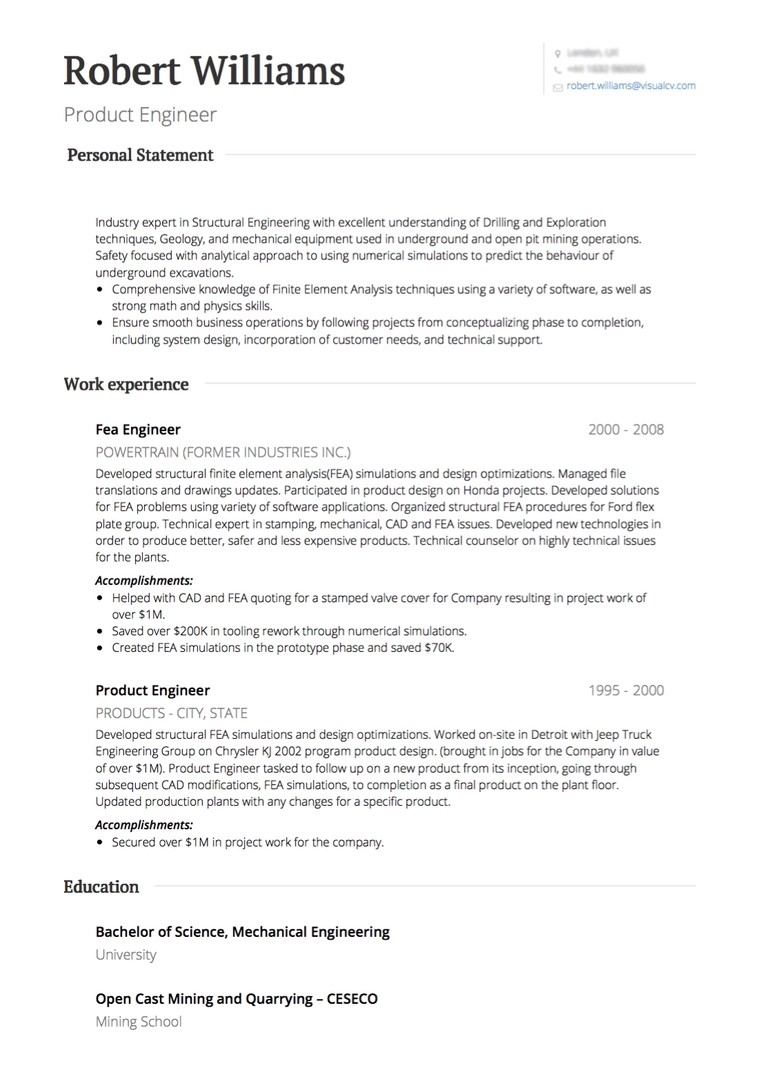
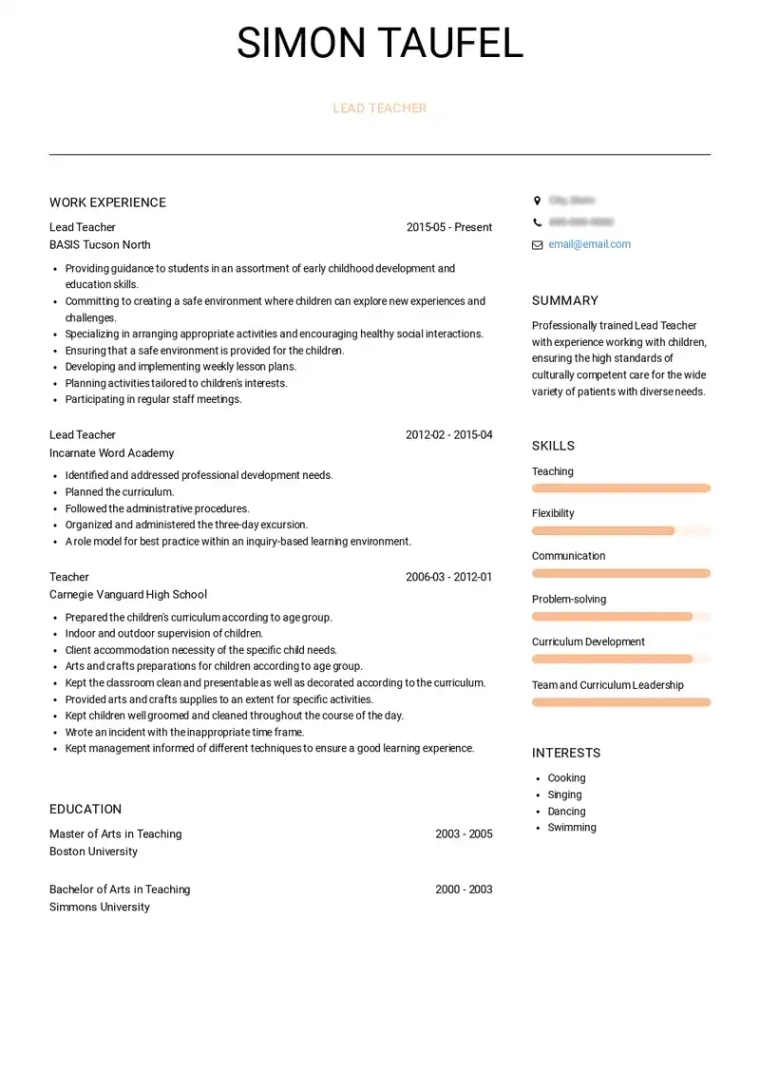
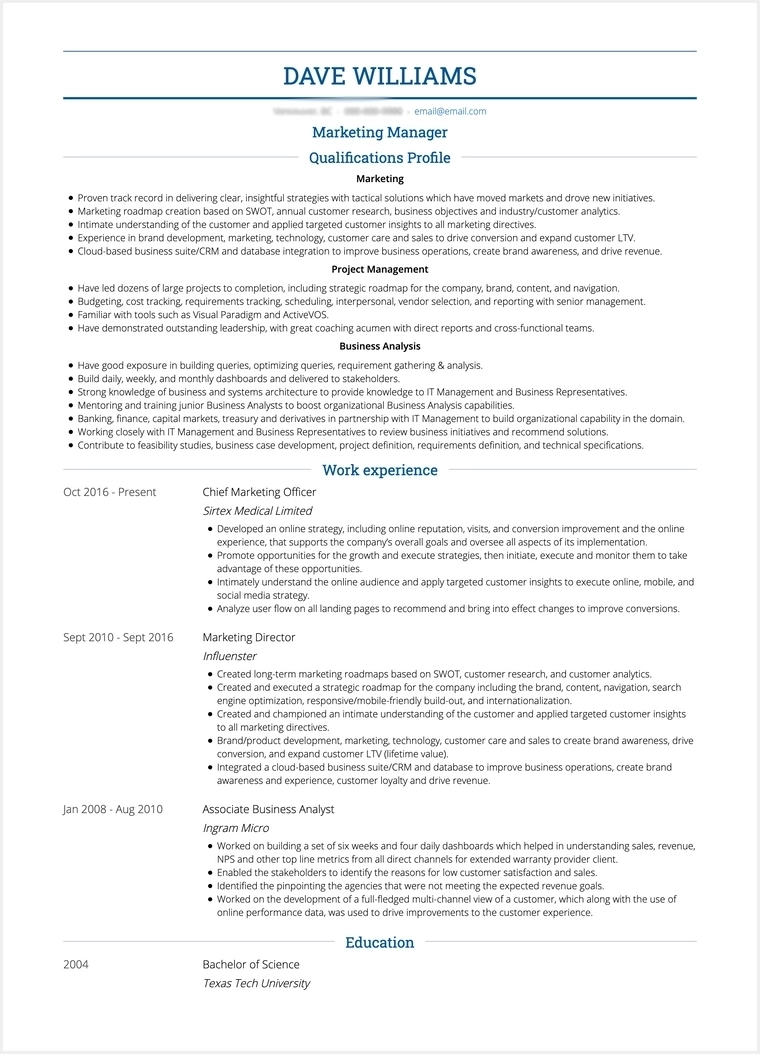
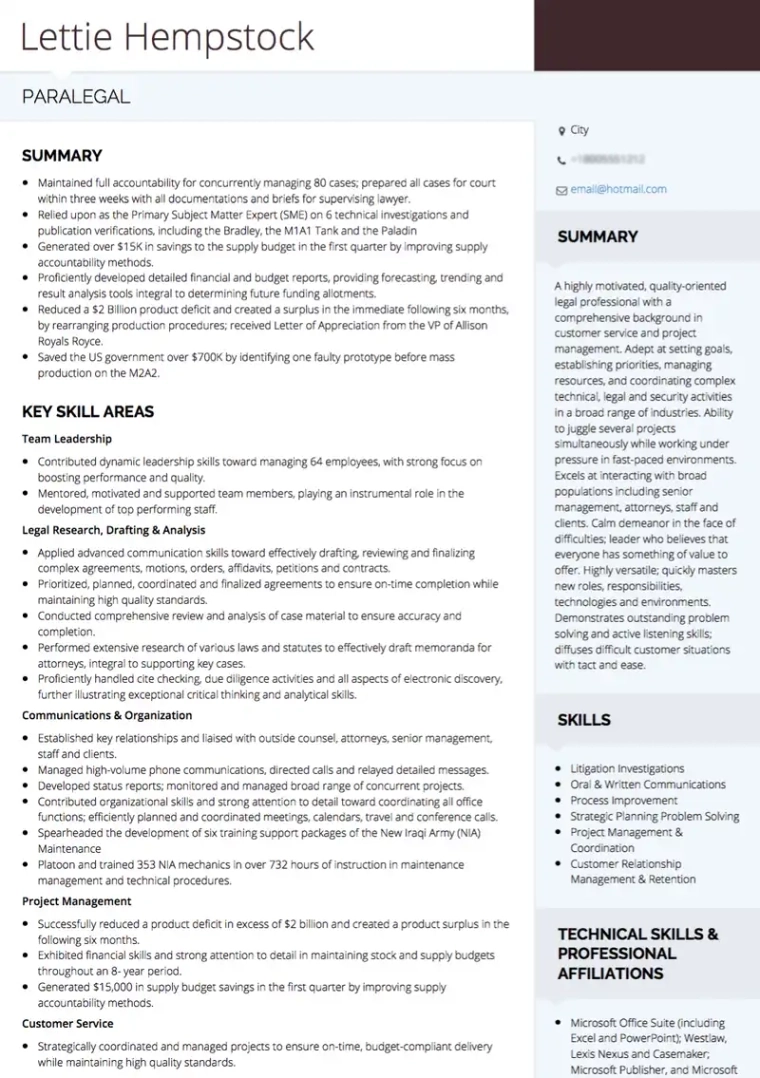
Singapore Resume: Formats, Templates, and Writing Guide (2026)

Applying for a job in Singapore? This Singapore Resume guide has the templates, tips, examples, & format requirements needed to write the perfect resume.

Applying for a job in Singapore? Your resume needs to follow local hiring expectations, not US or UK standards.

Singapore resumes are typically longer, more detail-oriented, and heavily ATS-screened—especially for roles at multinational companies (MNCs), government-linked companies (GLCs), and regulated industries. Recruiters may also expect information that’s uncommon elsewhere, such as nationality, work pass status, or even a resume photo for certain roles.

This guide covers everything you need to create a Singapore-ready resume, including:

  • The best Singapore resume format (PDF & Word)
  • Real Singapore resume examples for different careers
  • Fresh graduate and entry-level resume tips
  • ATS optimization for Singapore job portals
  • Ready-to-use Singapore resume templates you can customize in minutes
Create a Singapore Resume That Recruiters Expect
singapore resume template

Singapore Resume Requirements

To be considered by employers in Singapore, your resume must meet a mix of global standards and local hiring expectations. While there is no single official format, recruiters generally look for the following elements.

Required Sections in a Singapore Resume

A standard Singapore resume should include:

  • Full name and contact information
  • Current location and work eligibility status
  • Resume summary or personal statement
  • Work experience with clear dates
  • Education and academic qualifications
  • Skills relevant to the role
  • Resume file in PDF format

Resumes that omit core sections such as work experience, education, or contact details are often filtered out early, especially by applicant tracking systems.

Commonly Expected but Optional Information

Depending on the role and employer, the following details are commonly included in Singapore resumes:

  • Nationality or citizenship status
  • Work pass type, such as Singapore Citizen, PR, EP, or SP
  • Resume photo for entry-level or government roles
  • Languages spoken and proficiency level
  • Certifications issued by Singapore-accredited bodies

Including this information can reduce back-and-forth with recruiters and speed up shortlisting, particularly for employers managing foreign hiring quotas.

Resume Length and Detail Level

Unlike resumes in the US or UK, Singapore resumes are typically more detailed.

  • One page is acceptable for fresh graduates
  • Two pages are common and widely accepted for experienced professionals
  • Senior candidates may extend beyond two pages if content is role-relevant

Hiring managers in Singapore generally prefer clarity and context over extreme brevity.

Language and File Format Requirements

  • English is the standard language for resumes in Singapore
  • PDF is the most widely accepted file format
  • Word documents may still be requested by some government or SME employers

Unless a job posting specifies otherwise, submitting a PDF resume is considered best practice.

Now that we have established the most important requirements for a Singapore resume, let’s take a look at each of these resume requirements in more detail.

How to Format Your Singapore Resume

Resume formatting plays a critical role in how your application is screened in Singapore. Most employers rely on applicant tracking systems first, followed by recruiter review, so your resume must be easy to parse and quick to scan.

Use a Simple, Professional Layout

Singapore recruiters prefer clean, structured resumes over visually complex designs.

  • Use a single-column layout
  • Avoid graphics, icons, charts, and text boxes
  • Separate sections clearly with headings and spacing
  • Use consistent formatting throughout the document

Simple layouts improve readability and reduce the risk of ATS parsing errors.

Choose a Resume Format That Matches Your Experience

The most commonly accepted format in Singapore is reverse chronological order. This format makes it easy for recruiters to understand your career progression and recent experience.

  • Reverse chronological format works best for experienced professionals
  • Functional format may suit career switchers or those with employment gaps
  • Combination format is useful when skills and experience are equally important

Your choice of format should reflect how you want recruiters to understand your background within seconds.

Font, Spacing, and Page Setup

Formatting details matter more than many candidates expect.

  • Use professional fonts such as Calibri, Arial, or Lato
  • Body text should typically range from 10.5 to 12 points
  • Section headings should be slightly larger for clarity
  • Use A4 page size, which is standard in Singapore
  • Keep margins consistent, ideally around one inch

These settings ensure your resume looks professional across devices and print formats.

File Format and Compatibility

PDF is the most widely accepted resume format in Singapore and preserves your layout across systems.

  • Use PDF unless the employer requests a Word document
  • Ensure the file name is professional and clear
  • Avoid scanned resumes or image-based files

A properly formatted PDF resume improves both ATS compatibility and recruiter experience.

import a resume example

Singapore Resume Format

Singapore resumes generally follow the same structural formats used internationally, but local recruiters strongly favor formats that clearly show work history, role scope, and recent experience.

The three most commonly used resume formats in Singapore are outlined below.

Reverse Chronological Resume Format

The reverse chronological format is the most widely accepted and preferred resume format in Singapore.

This format lists your most recent job first and works best for:

  • Experienced professionals
  • Candidates with steady career progression
  • Applicants applying to MNCs, GLCs, and regulated industries

Recruiters in Singapore often scan resumes quickly, and this format allows them to immediately assess your current role, seniority, and relevance.

Functional Resume Format

The functional resume format focuses on skills rather than job history.

This format may be suitable for:

  • Career switchers
  • Candidates returning to the workforce
  • Applicants with significant employment gaps

However, functional resumes are less common in Singapore and may raise questions if not executed carefully. If you use this format, it is important to clearly explain your experience and outcomes.

Combination Resume Format

The combination resume format blends skills-based sections with chronological work history.

This format works well for:

  • Entry-level professionals with internships or project experience
  • Candidates transitioning into new roles
  • Professionals whose skills are more relevant than job titles

Many recruiters in Singapore are comfortable with this format as long as work history and dates are clearly listed.

Resume or CV Format in Singapore

In Singapore, the terms resume and CV are often used interchangeably.

In practice:

  • A Singapore resume is typically more detailed than a US resume
  • Two-page resumes are common and accepted
  • The focus is on clarity, relevance, and completeness rather than strict length limits

As long as your document is structured clearly and tailored to the role, either term is acceptable.

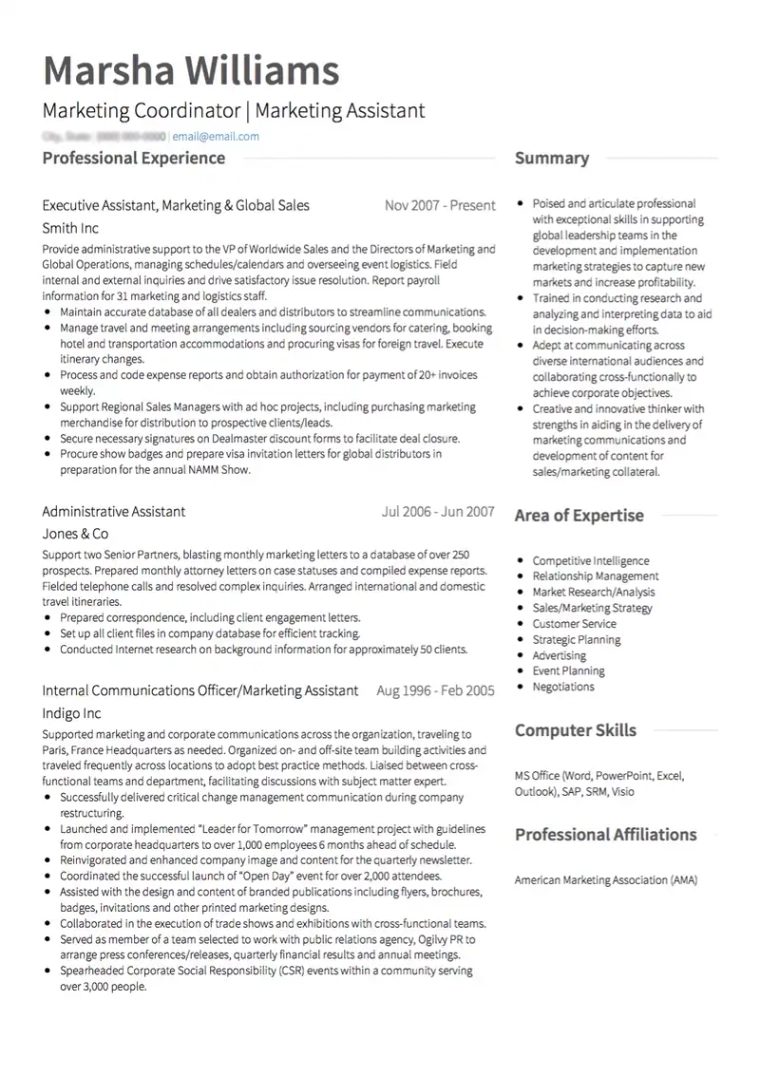
Reverse Chronological Singapore Resume Format Example

Here’s what a reverse chronological format for a Singapore resume would look like:
reverse chronological singapore resume format

Functional Singapore Resume Format Example
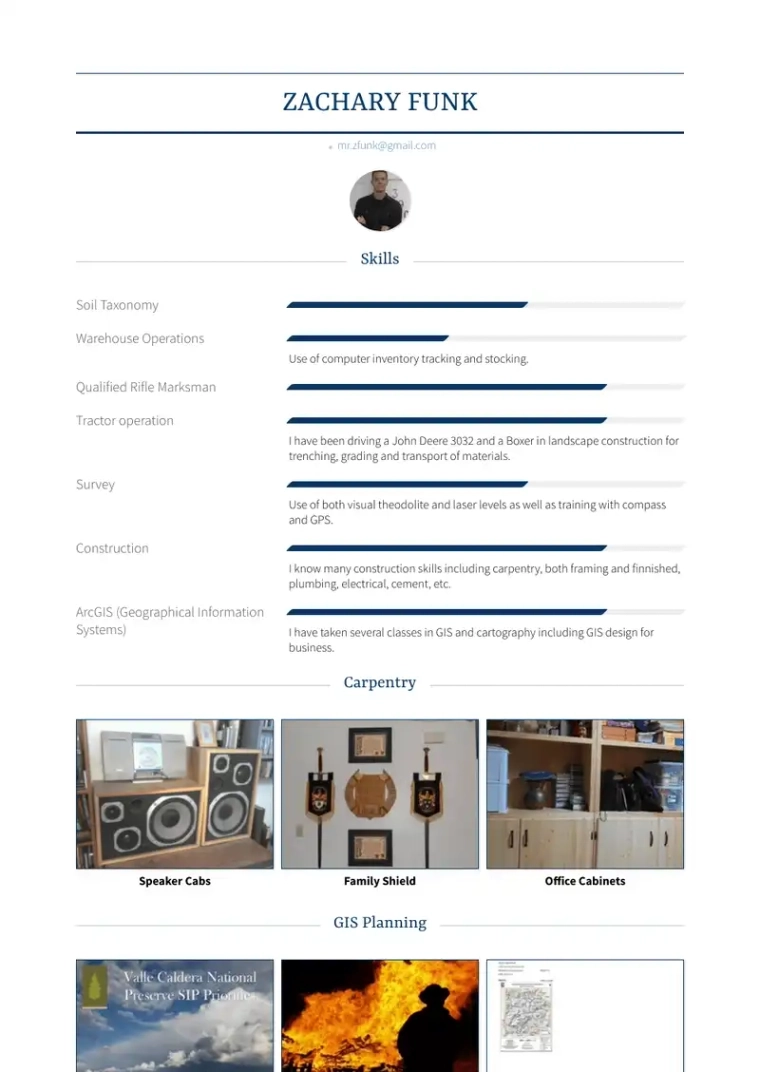
Here’s what a functional format for a Singapore resume would look like:
functional singapore resume format

Combination Singapore Resume Format Example

Here’s what a combination format for a Singapore resume would look like:
combination singapore resume format example

We also recommend function or combination resume format for entry-level Singapore resumes.

ATS Resume for Singapore

Most medium and large employers in Singapore use applicant tracking systems to screen resumes before they reach a recruiter. This is especially common for roles at multinational companies, government-linked companies, and regulated industries.

If your resume is not ATS compatible, it may be rejected automatically even if you meet the job requirements.

How ATS Is Used in Singapore Hiring

Applicant tracking systems in Singapore are commonly used to:

  • Filter resumes based on keywords from the job description
  • Rank candidates by relevance and experience
  • Screen for basic eligibility such as work authorization

Resumes that are unclear, poorly structured, or missing key information often fail at this stage.

ATS Optimization Tips for Singapore Resumes

To improve your chances of passing ATS screening in Singapore:

  • Use clear section headings such as Work Experience, Education, and Skills
  • Match job titles and keywords exactly as they appear in the job posting
  • Avoid graphics, icons, tables, and text boxes
  • Use standard fonts and consistent formatting
  • Spell out abbreviations at least once
  • Use English spelling consistently throughout the resume

File Format and ATS Compatibility

PDF resumes are generally ATS friendly when created properly.

  • Use text-based PDFs, not scanned documents
  • Avoid image-only resumes
  • Ensure text can be selected and copied

Some employers may request Word documents for internal processing, so always follow the job posting instructions when provided.

Common ATS Mistakes to Avoid

Many resumes are rejected by ATS systems in Singapore due to:

  • Missing dates or unclear employment history
  • Overuse of design-heavy templates
  • Keyword stuffing without context
  • Non-standard section labels

Keeping your resume simple, structured, and role-specific significantly improves ATS performance.

How to Include Contact Information in a Singapore Resume

Your contact information should meet local norms and make it easy for employers to reach you. Follow these steps:

  • Full name: Use your legal name as it appears on your documents.
  • Address: Include a Singapore address if available; otherwise, clearly indicate your location.
  • Phone number: Use the correct Singapore format (+65 XXXX XXXX).
  • Email address: Provide a professional email address (e.g., firstname.lastname@example.com) to create a strong first impression.
  • LinkedIn profile: Add a hyperlink to your LinkedIn profile for digital-savvy recruiters.
  • You can consider adding your nationality: Companies have a hiring quota for foreign nationals, so when you add nationality it saves a ton of time for you and the hiring manager.

How to Write a Personal Statement for a Singapore Resume

A resume summary or personal statement helps summarize your career goals and value to employers. Here’s how:

  • Keep it short: Limit it to 2–3 sentences at the top of your resume.
  • Focus on impact: Mention your key strengths, hard and soft skills, and career aspirations relevant to the job.
  • Tailor it: Adjust the statement for each job application to align with the specific job description.

How to Highlight Work Experience in a Singapore Resume

Your work experience section should demonstrate your ability to contribute to Singapore’s job market. Follow these tips:

  • List roles in reverse chronological order: Start with the most recent job first, using the chronological resume structure preferred by many employers.
  • Include your job title, company, and dates: For example, "Marketing Manager, ABC Pte Ltd (Jan 2020 – Dec 2022)".
  • Focus on achievements: Use bullet points to quantify your accomplishments (e.g., "Increased revenue by 20% in six months").
  • Include relevant experience: Highlight responsibilities and accomplishments that match the specific job description. Consider adding freelance work or part-time jobs if they demonstrate relevant skills.

How to Showcase Education in a Singapore Resume

Education is a vital part of a resume in Singapore, especially for fresh graduates. Here’s how to list it:

  • Follow reverse chronological order: Begin with your most recent qualifications.
  • Include institution names and dates: For example, "National University of Singapore (2018–2022)".
  • Mention relevant coursework: Highlight subjects, projects, or related skills that align with the role.
  • Add professional qualifications: Include certifications like PMP, ACCA, or other job-relevant credentials to emphasize your relevant qualifications.

How to Feature Key Skills in a Singapore Resume

Highlighting your key skills is essential to pass applicant tracking systems (ATS) and impress recruiters. Here’s how:

  • Create a dedicated skills section: Place it near the top of your resume for visibility.
  • Focus on in-demand skills: Include technical skills (e.g., data analysis, programming) and soft skills (e.g., leadership, adaptability). Mention a mix of hard and soft skills to create a well-rounded profile.
  • Use keywords from the job description: Tailor your skills list to match employer expectations, using phrases like transferable skills and targeted resume techniques.
  • Prove your skills with examples: Reference achievements or roles where these skills were demonstrated effectively.

Focusing on Relevant Skills and Qualifications in Your Resume

Employers in Singapore value resumes that emphasize relevant qualifications and practical expertise.

  • Include hard skills and technical skills that directly relate to the industry and position.
  • Showcase transferable skills from previous roles, including freelance work or part-time jobs, to appeal to potential employers.
  • Use bullet points to highlight related skills, focusing on measurable impact.

Certifications Recognized in Singapore Hiring

Use Singapore-accredited or WSQ-recognized credentials when available.

Include:

  • Certification title (exactly as issued)
  • Issuing body (e.g., “SkillsFuture Singapore”, “BCA Academy”, “IBF”, “WDA”)
  • Year of certification
  • Status (Active / In Progress / Expired if applicable)

Example:

Certified WSQ Advanced Certificate in Service Excellence  
SkillsFuture Singapore – 2023 – Active

How to Include Extra Information in a Singapore Resume

For roles in Singapore, additional details can strengthen your application. Include:

  • Languages spoken: Highlight proficiency in English and other relevant languages (e.g., Mandarin, Malay, Tamil).
  • Hobbies or interests: Add activities that demonstrate transferable skills or cultural fit (e.g., volunteering, team sports).
  • Expected salary: Include this if explicitly requested in the job ad.
  • References: Mention “Available upon request” unless otherwise specified.

How to Tailor Your Singapore Resume for Applicant Tracking Systems (ATS)

Optimizing your resume for ATS ensures it reaches human recruiters. Here’s how:

  • Use keywords strategically: Integrate words from the job description, like "key skills," "professional qualifications," or relevant experience.
  • Stick to standard formatting: Avoid images, charts, or complex designs that ATS might not process.
  • Use section headings: Clearly label each part of your resume (e.g., "Work History," "Education," "Skills Section").
  • Save in a compatible format: PDFs are typically ATS-friendly unless another format is specified.

Crafting an Entry-Level or Fresh Graduate Resume for Singapore Jobs

If you’re new to the workforce, focus on showcasing your potential.

  • Highlight achievements from internships, entry-level roles, and academic projects.
  • Keep it concise—aim for a one-page resume that focuses on your most relevant skills.
  • Use a functional resume format to emphasize your abilities rather than limited work experience.

Customizing for Specific Job Descriptions and Roles

Tailoring your resume to match a specific job description ensures relevance.

  • Use a combination resume format to highlight both skills and experience.
  • Include key phrases from the job ad to show alignment with employer expectations.
  • Focus on achievements that make you the right fit for the role.

Resume Length in Singapore

The standard resume length in Singapore is two pages for most professionals.

Unlike resumes in the US or UK, Singapore employers generally prefer more detailed resumes that clearly explain role scope, responsibilities, and impact.

  • Fresh graduates and entry-level candidates: one page is acceptable
  • Professionals with several years of experience: two pages is standard
  • Senior or specialized roles: two pages or more may be appropriate if the content is relevant

Short resumes often lack sufficient context for hiring managers, while overly long resumes without role relevance may be ignored.

What Matters More Than Length

Hiring managers in Singapore focus more on clarity and relevance than strict page limits.

Your resume should:

  • Clearly explain your role and responsibilities
  • Highlight measurable achievements
  • Match the requirements of the job description

If additional pages add meaningful information, they are generally accepted in Singapore hiring processes.

Singapore Resume - Contact Information Tips

While creating the resume header, make sure to add the following information in it:

  • Your contact information including your phone number, town, and a professional email address to contact you.
  • Make sure to link to your personal portfolio, Linkedin profile, or to your blog.
  • Additionally, you can consider adding your nationality. Companies have a hiring quota for foreign nationals, so when you add nationality it saves a ton of time for you and the hiring manager.

How to Mention National Service on a Resume

If you're a Singaporean male, recruiters expect National Service to be listed if relevant.

Include:

  • Service branch: e.g., Singapore Army, SPF, SCDF
  • Rank attained
  • Dates served (Month YYYY – Month YYYY)
  • Unit or department (optional but adds credibility)
  • Key appointments or training (e.g., "Appointed PTI, completed BMT at BMTC School 1")

Should you Add a Photo to your Singapore Resume?

Generally, adding a photograph to your resume is considered acceptable. It however invites biases in hiring. If you are graduating from university, keeping a photo on your resume is generally advised. Also, if you are applying for Gahmen jobs, adding your photo to your resume is required.

Resume or CV for Singapore Jobs?

CV or resume are used interchangeably in Singapore and make a little difference. Just keep in mind that Singapore's resumes are a bit more detailed as compared to resumes that we see commonly in other parts of the world.

Singapore Resume Templates and Examples

Professional Singapore Resume Example

Professional singapore resume example

Administrative Resume Example for Singapore
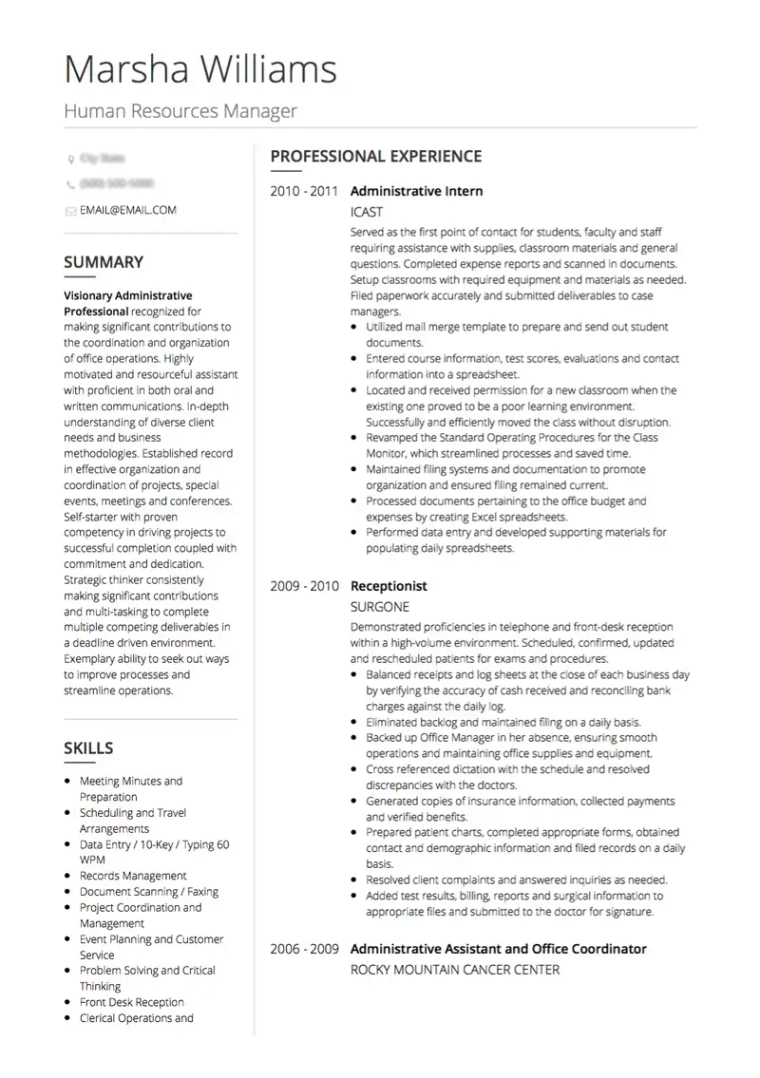
Administrative resume example for singapore

Customer Support Resume Example for Singapore
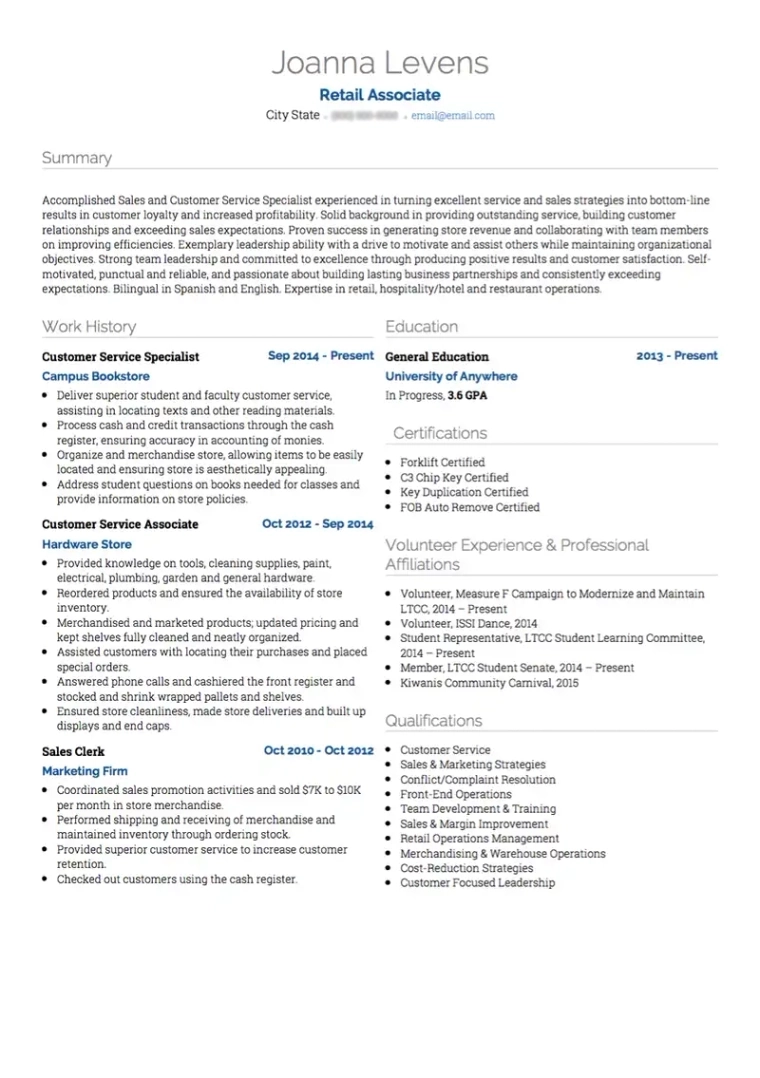
singapore customer support resume example

Marketing Resume Example for Singapore

marketing resume example for singapore

Management Resume Example for Singapore
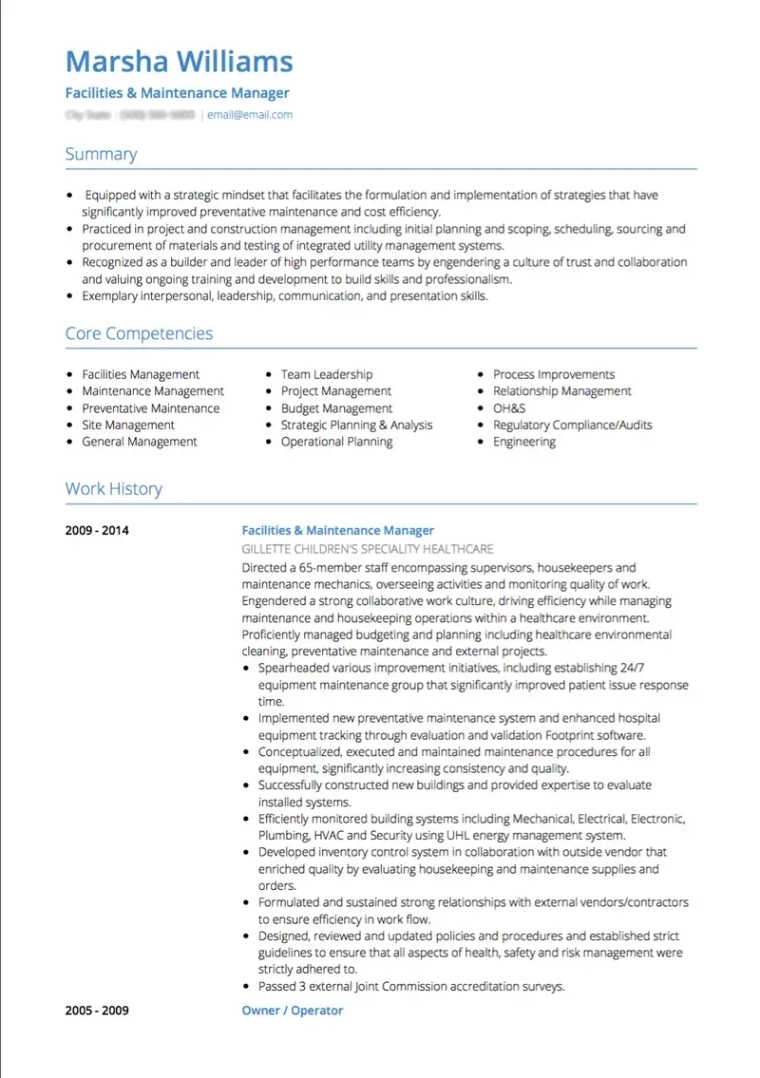
singapore management resume example

Accounting Resume Example for Singapore

singapore management resume example

Frequently Asked Questions

How do I Write a Good Singapore Resume?

To write a good Singapore resume, make sure you add a short powerful summary at the top, follow the STAR method to describe your experience, list your skills, and properly describe your education.

What Fonts to Use in My Singapore Resume?

For resumes that are in the English language, we recommend that you either use Times New Roman, Calibri, Arial, or Roboto as fonts. Use serif-type fonts when your target job is a bit more traditional, else use Sans-serif fonts.

Copyright ©2026 Workstory Inc.