Scotland CV: How to Write, Formats, Templates, and Much More
Our expert written guide on how to create a Scotland CV with Scotland CV templates and 8+ examples. Find detailed examples and tips on writing each section of your Scotland CV.
How to Write a CV for Jobs in Scotland
When crafting a CV for the Scottish job market, it’s important to adapt to local expectations. Whether you’re local or applying from abroad, tailoring your CV to Scotland's norms is key. Here’s how to do it effectively:
- Personal Information: Start with your full name, phone number with UK code (+44), professional email, and location (city and postcode). In Scotland, it’s unnecessary to include a photo, date of birth, or nationality unless requested. Employers focus on skills and experience, aligning with UK anti-discrimination practices.
- Professional Summary: Write a brief, targeted summary that highlights your key skills and what you offer. Scottish employers value efficiency and practicality, so tailor your statement to each job, focusing on relevant skills and experience.
- Work Experience: List your work experience in reverse chronological order, using bullet points and the STAR method (Situation, Task, Action, Result) to show achievements. Use UK spelling and terms, and quantify results where possible, as Scottish employers value measurable impact.
- Education: Start with your highest qualification, listing the degree type, institution, and dates. Highlight degrees from prestigious Scottish universities or relevant coursework if applicable to the role, particularly for recent graduates or those in academia.
- Skills: Separate your technical and soft skills, focusing on those relevant to the job. In Scotland, transferable skills like communication and teamwork are highly valued, along with industry-specific skills. Use job-specific keywords, as many employers use applicant tracking systems (ATS).
- Certifications and Licenses: Include any relevant certifications, such as PRINCE2 or PMP for project management roles. Research industry-specific requirements and list the issuing body and dates for each certification.
- References: It’s standard to write “References available upon request.” However, if asked, be ready to provide two referees, such as a former employer or academic tutor. Always seek permission before sharing their details.
Tailoring your CV to Scottish employers and aligning with local practices will help you stand out in the competitive job market.
How to Format a CV for Scotland
To ensure your CV meets the expectations of Scottish employers, follow these specific formatting guidelines:
- Length: Aim to keep your CV to two pages. Scottish employers appreciate brevity and relevance, but if you’re applying for an academic, research, or senior role, a longer CV (up to three pages) may be acceptable. Focus on quality over quantity by highlighting the most relevant experiences.
- Fonts: Use professional, easy-to-read fonts like Arial, Calibri, or Times New Roman. Stick to a font size between 10-12 points. Scottish employers value clear communication, so avoid fancy fonts that could affect readability.
- Margins and Spacing: Ensure margins are between 2 and 2.5 cm for a neat layout. Use single or 1.15 line spacing to keep the CV readable without looking cramped. Scottish recruiters value well-organized, visually appealing documents.
- Sections: Organize your CV with clearly defined headings (e.g., “Professional Experience,” “Education,” “Skills”). Scottish employers prefer a logical flow, so ensure each section is easy to navigate. Avoid excessive use of bold or italics, as simplicity is key to making your CV look professional.
- Language: Write in British English, using UK spelling and terms (e.g., “specialized” instead of “specialized,” “organization” instead of “organization”). Avoid using unnecessary jargon or industry-specific slang unless it’s relevant to the role, as Scottish employers value clear, straightforward communication.
By following these formatting tips, your CV will appear polished, professional, and aligned with the expectations of the Scottish job market.
CV Tips and Rules for Scotland
- Photo: In Scotland, it’s not common practice to include a photo on your CV unless specifically requested by the employer. In fact, adding a photo may be viewed as unprofessional and could introduce unconscious bias, so it's best to omit it unless asked.
- Language: English is the default language for CVs in Scotland. However, if you're applying to a company with Gaelic connections or in regions where Gaelic is more prominent, mentioning your knowledge of Scottish Gaelic can be an asset. Fluency in Gaelic, however, is rarely a strict requirement for most roles.
- Tailoring: Scottish employers value CVs that are closely aligned with the job description. Tailor each CV to the position, focusing on relevant skills and experience. Avoid generic applications—employers appreciate candidates who take the time to customize their CV with appropriate keywords and context.
- CV vs. Resume: In Scotland, the term “CV” is universally used instead of “resume.” A CV is expected to be more comprehensive, particularly for roles in academia or senior-level positions, and should highlight your full career history and achievements in detail.
- Avoid Personal Details: Leave out personal details such as your marital status, religion, or political views. Scottish employers focus on professional qualifications and skills, and these details are generally considered irrelevant to your ability to perform the job.
Popular CV Templates for Scotland
Common CV formats used in Scotland include:
- Chronological CV: The most popular format, it focuses on your career history, with your most recent role listed first. This is ideal for professionals with solid experience in one sector.
- Skills-Based CV: For those looking to change careers or highlight transferable skills, this format emphasizes skills over job titles, making it suitable for those with varied work experience.
- Academic CV: Often longer, this format is used for academic roles and research positions. It includes details about publications, conferences, research interests, and academic qualifications.
Scotland CV Examples
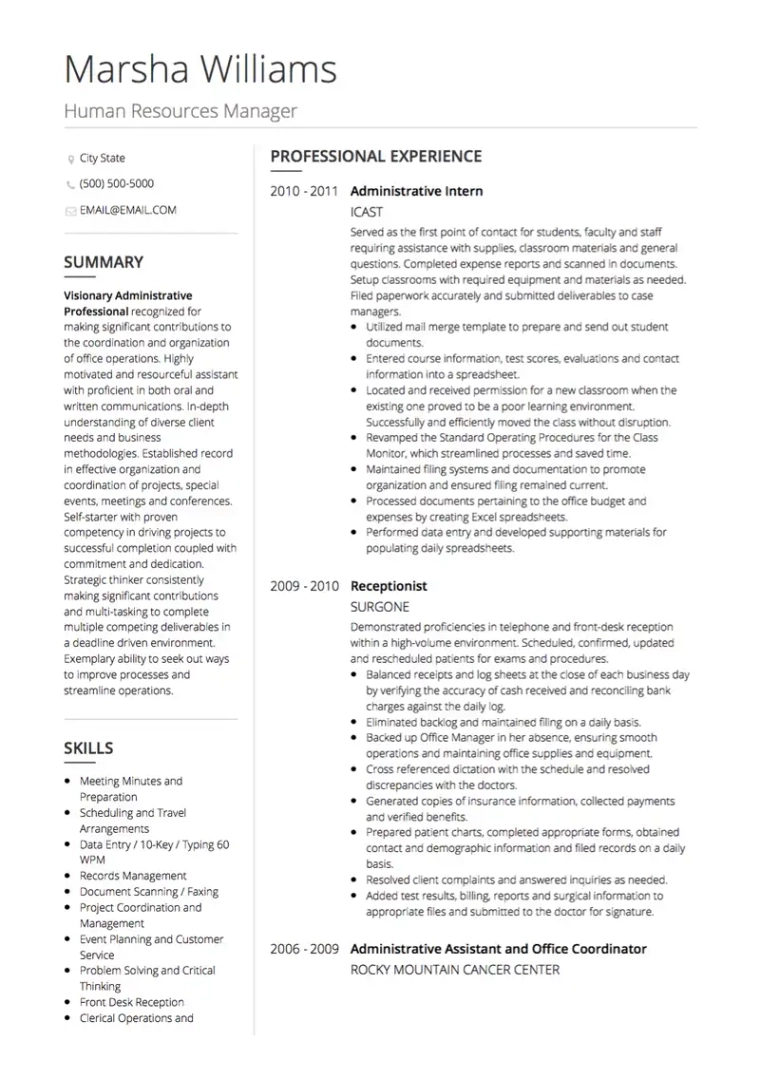
Administration Scotland Cv Example

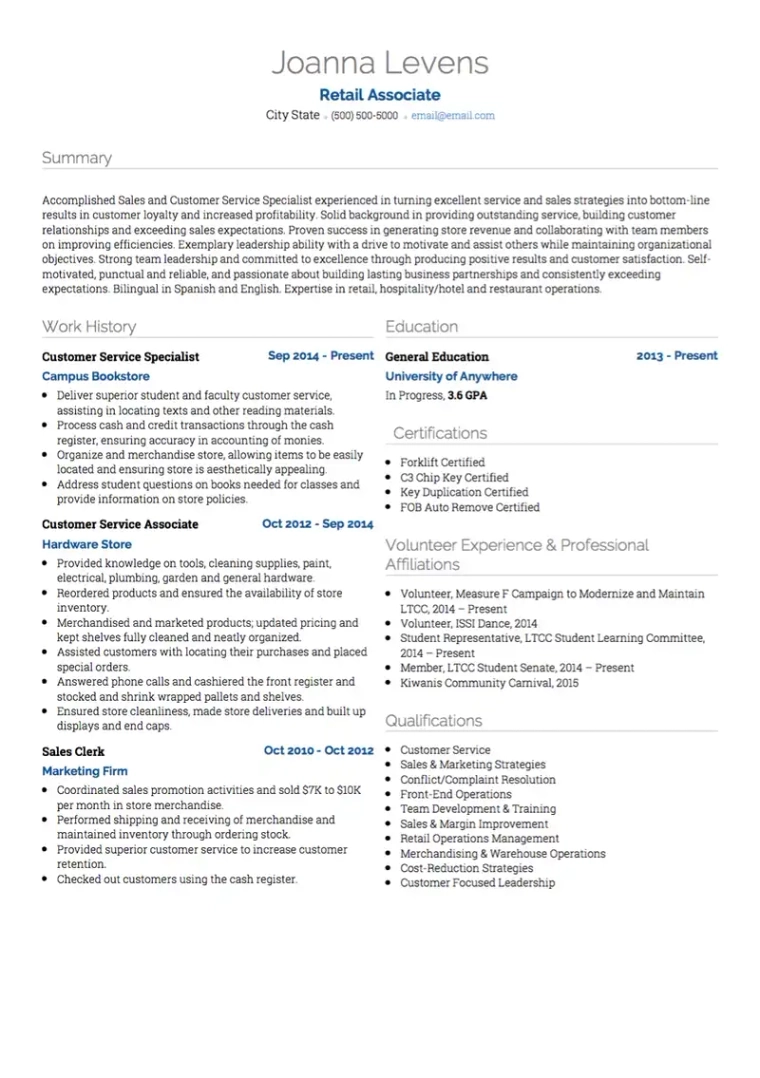
Retail Scotland CV Example
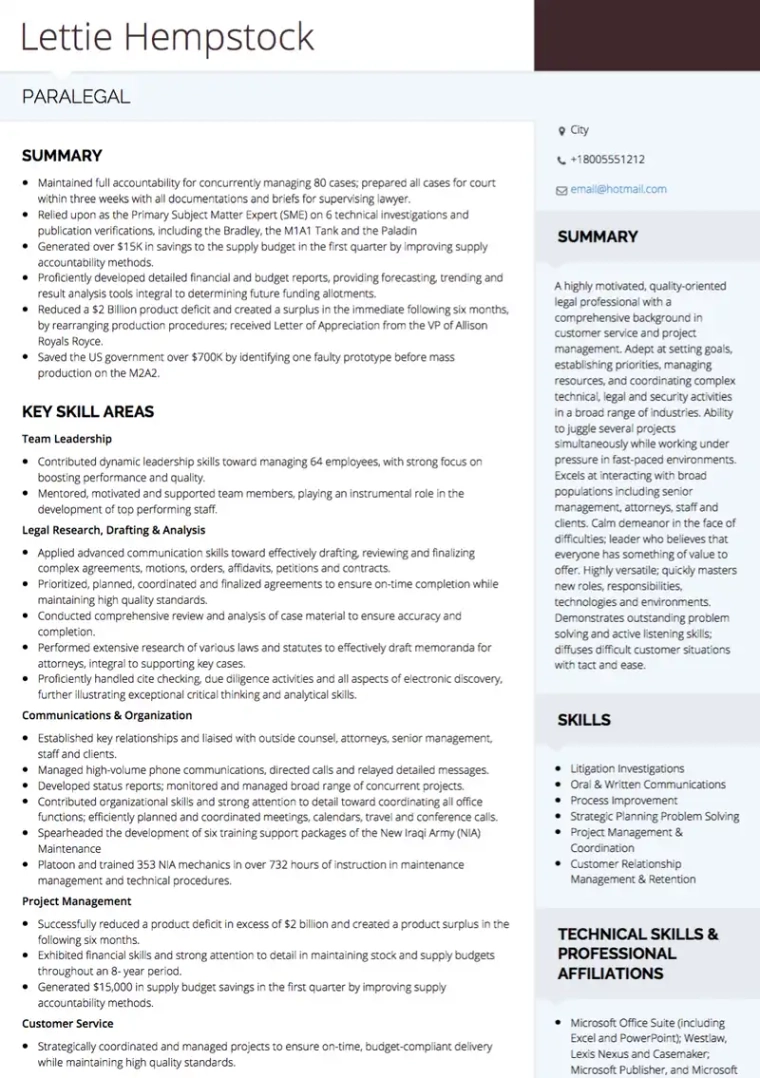
Professional Scotland CV Example
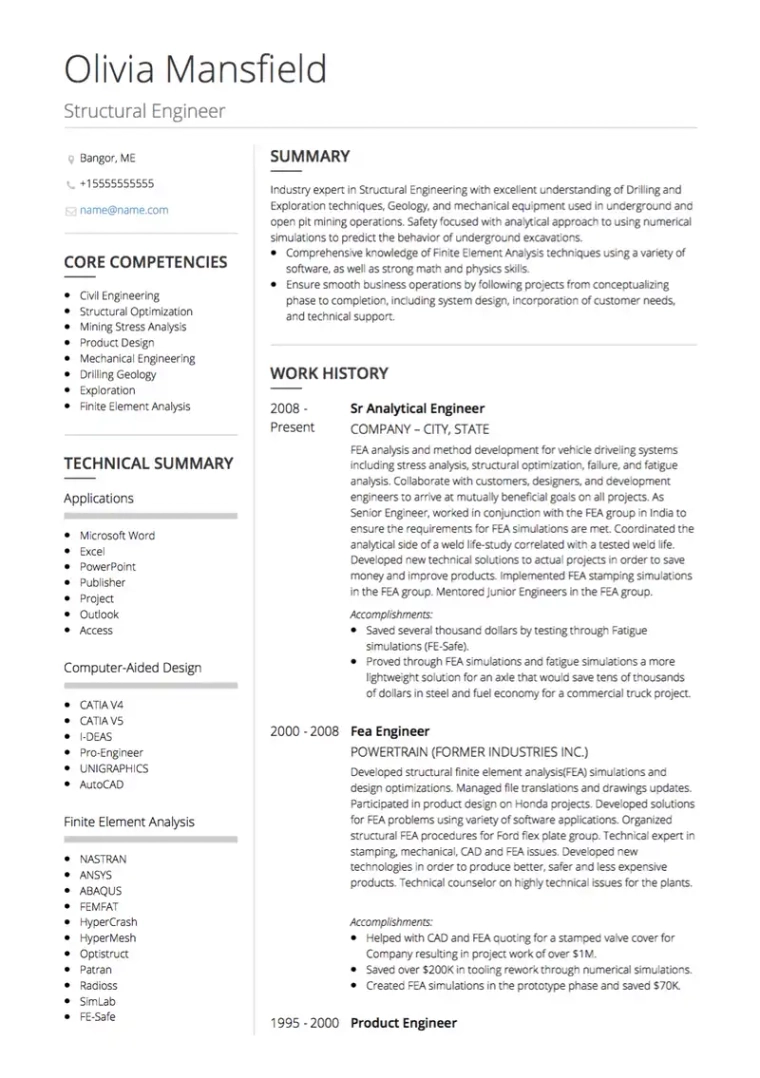
Engineering Scottish CV Example
Marketing Scotland CV Example

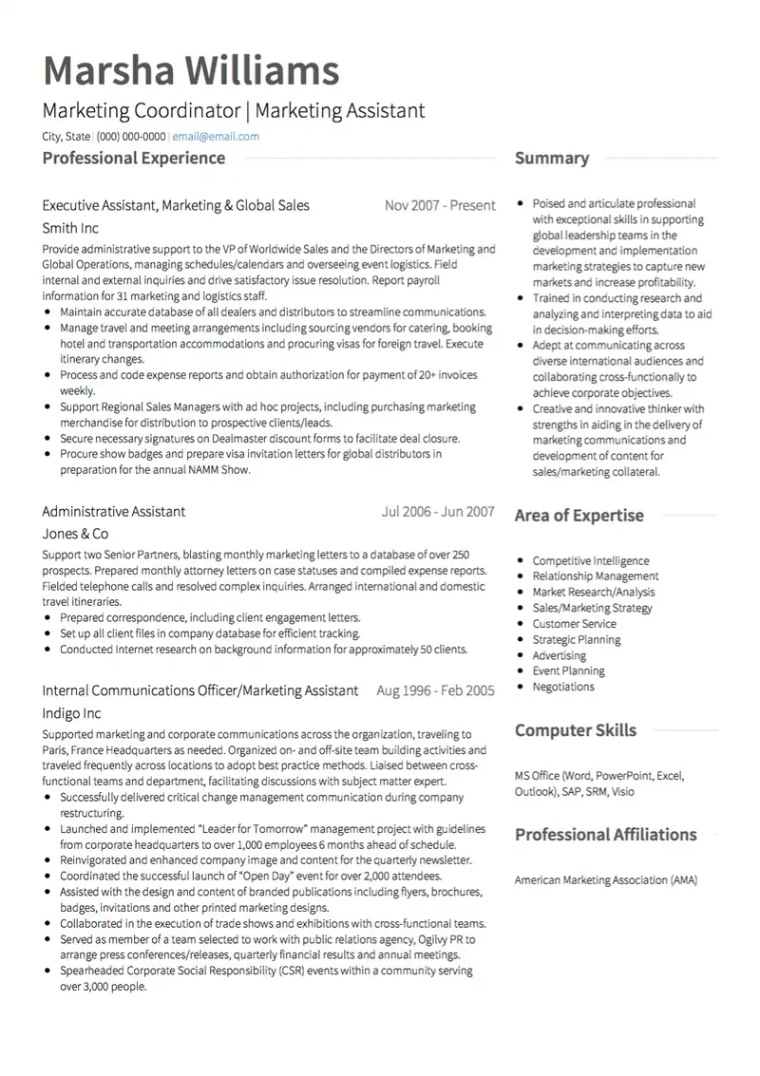
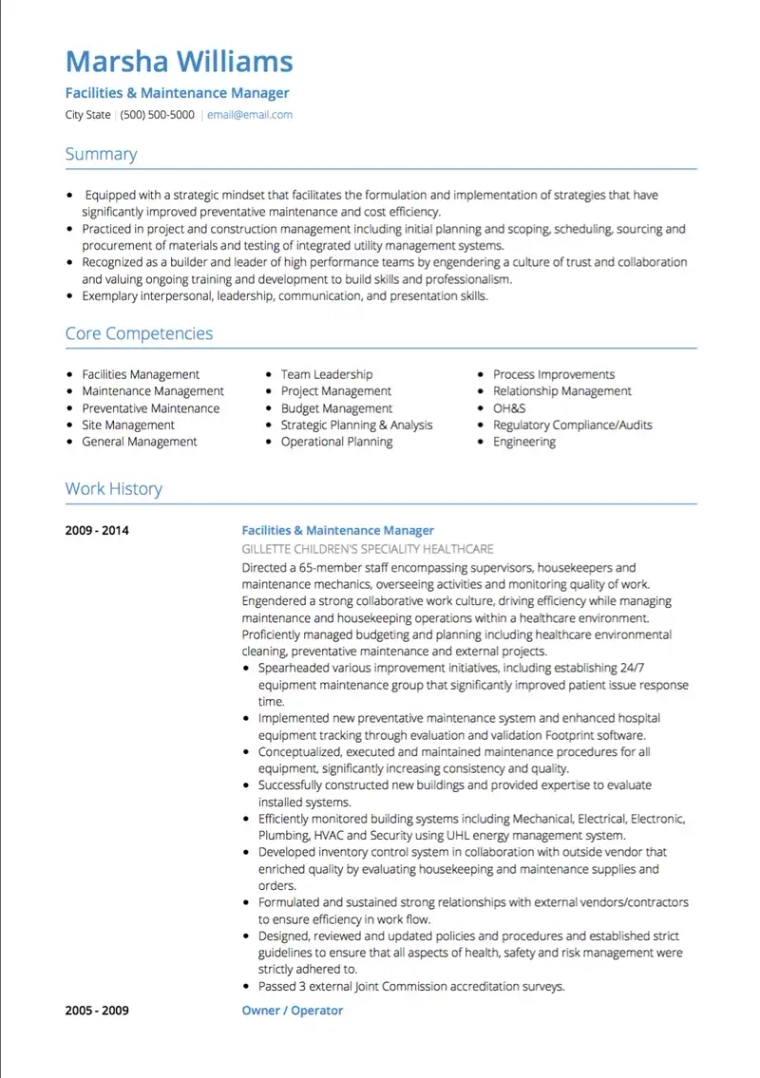
Management Scotland CV Example
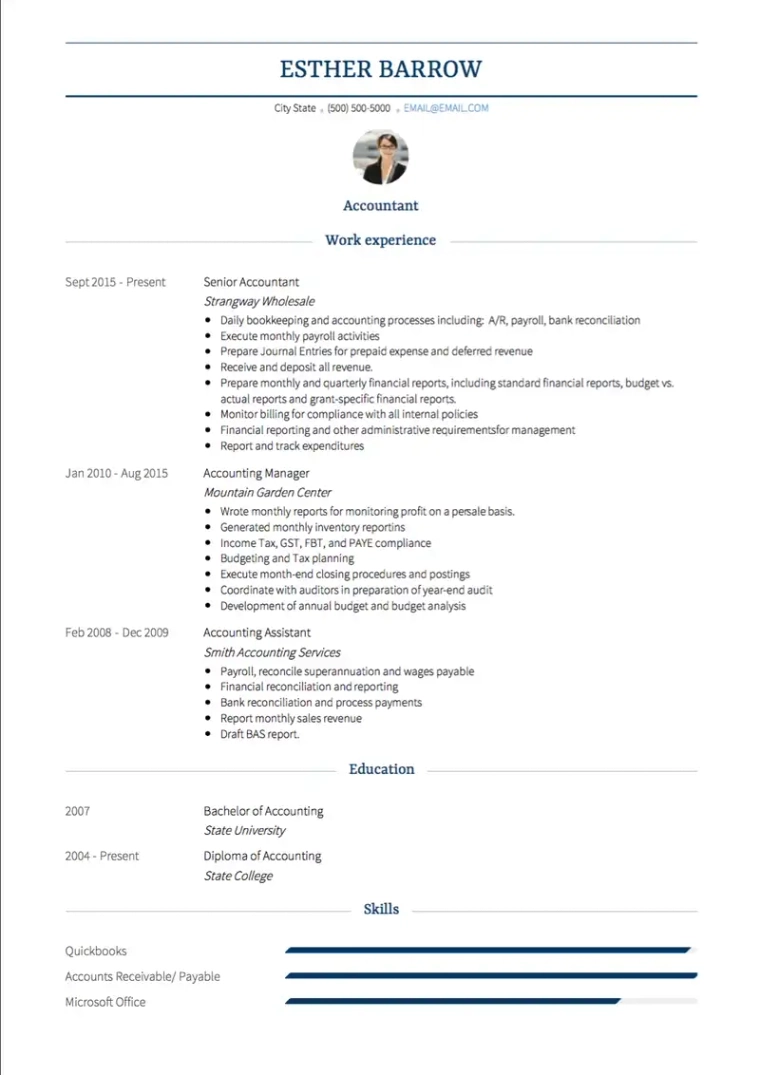
Accountant CV Example for Scotland

How to List Personal Information on a Scottish CV
Follow these guidelines when adding personal information to a Scottish CV:
- Full Name: Place your full name prominently at the top.
- Contact Information: Include your phone number, email address, and city of residence. There is no need to include full postal addresses in most cases.
- LinkedIn Profile: Include your LinkedIn URL if it is up-to-date and relevant to your job search.
- Nationality: It is generally not required to list your nationality unless it is specifically requested due to visa sponsorship or work permit requirements.
How to Write a Winning Work Experience Section for Scotland CV
The work experience section is critical to a successful CV in Scotland. To make this section stand out:
- Reverse Chronological Order: Start with your most recent job first and work backward.
- Use Bullet Points: Describe your duties and accomplishments with concise bullet points rather than long paragraphs.
- Quantify Success: Include measurable outcomes where possible (e.g., “Increased sales by 20% in six months”).
- Tailor Content: Highlight the most relevant responsibilities and achievements to the job you are applying for.
How to Present Education on a Scottish CV
When listing your education on a Scottish CV, follow these tips:
- Degrees First: Start with your most advanced degree (e.g., Master's or Bachelor's).
- Institution and Dates: Include the institution’s name and the dates you attended.
- Grades: You can mention your degree classification (e.g., 2:1 or First-Class Honours) if it’s relevant to the role.
Example:
University of Edinburgh
MSc in Data Science
September 2021 – September 2022
First-Class Honours
Skills to Emphasize on Your Scottish CV
Scotland's employers value the following skills across various industries:
- Communication and Interpersonal Skills
- Project Management and Organisation
- Problem Solving and Analytical Thinking
- IT Skills: Competence in software relevant to your field (e.g., Microsoft Office, programming languages, etc.)
- Teamwork and Leadership
- Adaptability and Resilience
How to List Certifications and Licenses on Your Scotland CV
In Scotland, certifications and licenses can be critical to certain industries (e.g., healthcare, engineering). List them as follows:
- Section Heading: Create a "Certifications" or "Professional Credentials" section.
- Details: Include the full title of the certification, the issuing body, and the date of issuance.
Example:
Prince2 Certified Practitioner
Issued by: APMG International
Date: April 2021
How to List References on a Scottish CV
References in Scotland are typically not listed directly on the CV. Instead, it’s common to write “References available upon request.” However, if you are asked to provide them:
- Include Professional Contacts: Provide referees who can vouch for your work, such as former managers or academic supervisors.
- Full Contact Details: Ensure their job title, company, email address, and phone number are included if requested by the employer.
Example of Reference
Jane Doe
Senior Manager, ABC Ltd.
Email: jane.doe@abcltd.com
Phone: +44 131 123 4567
Relationship: Former Manager
With these guidelines, you'll have a Scotland-ready CV that stands out to employers, presenting your skills and experience in a polished, professional format that aligns with Scottish job market expectations.
Copyright ©2024 Workstory Inc.