2024 Saudi Arabic CV Guide - Formats, Requirements, Templates & 10+ Examples
Our expert written guide on how to create a Saudi Arabia CV with Saudi CV templates and 10+ examples. Find detailed examples and tips on writing each section of your Saudi Arabic CV.
How to Write a Saudi Arabian CV
To create a CV for jobs in Saudi Arabia, follow these steps:
- Start with personal information at the top: Include your full name, photo, nationality, your contact details, and visa or Iqama status. Mentioning your marital status and family details is common, but optional.
- Write a professional summary or objective statement: Tailor this to the job or industry you are applying for. If you’re an entry-level professional, mention your career goals.
- List your work experience in reverse chronological order: Include the company name, position held, dates of employment, responsibilities, and accomplishments, using the STAR method. Emphasize any experience within Saudi Arabia or the GCC.
- Create a dedicated section for skills: List relevant job skills, technical abilities, and soft skills in this section.
- Add a section for languages: Saudi Arabia is diverse, and mentioning language proficiency can be an advantage.
- Include certifications and licenses: Highlight any certifications or professional licenses relevant to the job.
- End with a references section: Optionally, include references either under their own section or within work experience.


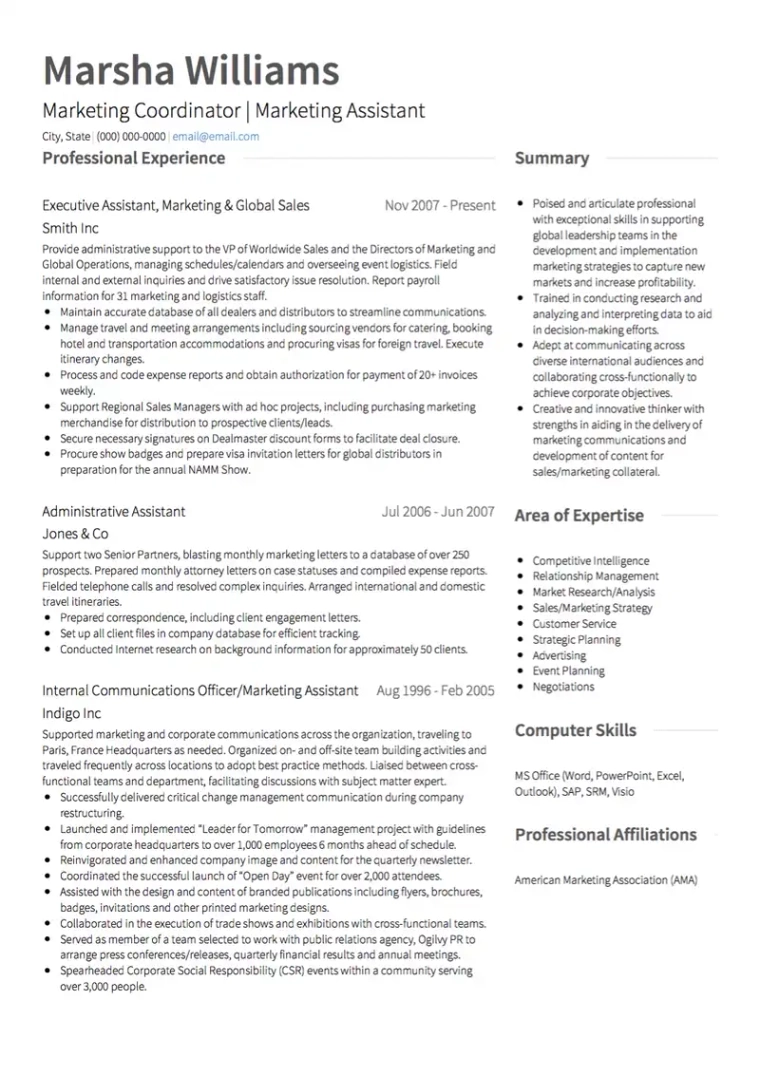
Saudi Arabia CV Example

How to Format a Saudi Arabia CV
- Use Personal Information - Include name, nationality, contact details, and a professional photo (optional but common in Saudi Arabia).
- Arabic and English - If possible, provide both an Arabic and English version of your CV to appeal to both local and international employers.
- Include a Clear Career Objective - Write a concise, targeted objective aligned with the job you're applying for, emphasizing any specific industry experience in Saudi Arabia.
- Highlight Relevant Experience - List recent job roles with clear responsibilities and achievements, focusing on work that aligns with the position and Saudi job market trends.
- Educational Background - Mention relevant degrees, certifications, and any specific training valued in Saudi Arabia (e.g., local certifications if applicable).
- Technical and Language Skills - Include technical skills relevant to the role and any language proficiencies, particularly Arabic if fluent, as it’s valuable in the local job market.
- Professional Affiliations - List any memberships in professional organizations, especially those with Saudi branches or connections.
- Follow Local CV Length Norms - Keep the CV concise, ideally 1–2 pages, and avoid overly detailed descriptions.
- Use Clear Formatting - Utilize a simple, professional font, headings, and bullet points for readability.
- Proofread in Both Languages - Double-check for errors in both Arabic and English versions to ensure clarity and professionalism.
Example of How to Format a KSA Resume
1. Header
Example of KSA resume header John Doe 4567 Elm Street, Arlington, VA, 22201 Phone: (202) 555-1234 Email: john.doe@gmail.com LinkedIn: linkedin.com/in/johndoe
2. Professional Summary
"Experienced project manager with over 10 years of success in leading cross-functional teams at Fortune 500 companies like IBM and Deloitte. Proven track record in delivering high-impact projects within budget and timelines. Expert in strategic planning, process improvement, and stakeholder management, aligning business deliverables with organizational goals."
3. Key Skills
Strategic Planning & Execution Process Improvement & Optimization Stakeholder Management & Collaboration Data Analysis & Reporting (Power BI, SQL, Excel) Team Leadership & Development Budget Management & Financial Analysis
4. Professional Experience
Senior Project Manager | IBM Corporation, Washington, D.C. | March 2018 – Present Spearheaded multiple projects worth over $5M, improving project delivery efficiency by 30% and increasing client satisfaction scores. Developed comprehensive project plans and communication strategies, resulting in a 40% decrease in project delays. Fostered cross-functional collaboration between technical and business units, successfully launching a new cloud service within 6 months. Project Manager | Deloitte Consulting, McLean, VA | January 2015 – February 2018 Managed large-scale digital transformation projects for federal agencies, including the U.S. Department of Health and Human Services (HHS). Reduced project costs by 15% through effective budget tracking and risk management strategies. Facilitated stakeholder meetings and status reports, achieving on-time delivery for 95% of projects under my management.
5. Knowledge, Skills, and Abilities (KSAs)
Knowledge of Financial Regulations and Compliance: Demonstrated knowledge of federal financial regulations and audit processes through my work at Deloitte Consulting. Successfully guided the HHS audit team in preparing and reviewing financial statements, ensuring zero compliance findings over a 2-year period. Skill in Data Analysis and Reporting: Proficient in data analytics using Power BI, SQL, and advanced Excel. At IBM, optimized quarterly financial reports by automating data pulls, reducing manual effort by 60% and improving accuracy by 25%. Ability to Lead and Motivate Teams: Consistently demonstrated the ability to lead and motivate teams of up to 20 project members. At Deloitte, achieved a 20% improvement in team efficiency and employee engagement scores by implementing new feedback and recognition programs.
6. Education
Master of Business Administration (MBA) | George Washington University, Washington, D.C. | May 2016 Bachelor of Science in Computer Science | Virginia Tech, Blacksburg, VA | May 2012 Certified Project Management Professional (PMP) | Project Management Institute | July 2017
7. Professional Development & Training
Lean Six Sigma Green Belt Certification | Villanova University | 2019 Leadership Excellence Program | IBM Corporate Training | 2020
8. Volunteer Experience
Volunteer Coordinator | Habitat for Humanity of Northern Virginia, Arlington, VA | January 2019 – Present Coordinated build projects and managed 70+ volunteers, resulting in the completion of 12 homes annually for low-income families. Organized fundraising events and exceeded annual donation goals by 20% through targeted outreach and community engagement.
Tips and Rules for a Saudi CV
Length: Keep the CV concise, ideally up to two pages.
Language: English is commonly used in business, but depending on the role, preparing a CV in Arabic may be required or advantageous.
CV vs. Resume: In Saudi Arabia, the terms "CV" and "resume" are often used interchangeably. A CV is more detailed and suitable for roles that emphasize qualifications, research, and publications, whereas a resume is brief and focused on work experience, skills, and achievements. Tailor the document to the job requirements.
How to List Personal Information on a Saudi Arabian CV
Include the following details:
- Full Name: Display your name prominently at the top.
- Contact Information: Include your phone number (with country code +966), professional email, and city of residence.
- LinkedIn Profile (Optional): If up-to-date and relevant, include a link.
- Date of Birth and Nationality: It’s common to list these, but it depends on personal preference.
- Marital Status and Family Information: Often included in Saudi CVs, depending on the job and industry.
Listing Your Name on a Saudi Arabian CV
- Placement: Your name should be at the top.
- Formatting: Use a larger font size or bold text to emphasize your name.
Adding a Photo to a Saudi CV
- Placement: Place your professional photo at the top corner, typically on the right or left side.
- Size: Use a small, passport-sized photo.
- Attire: Dress professionally, reflecting the industry norms in Saudi Arabia. Business attire is preferable.
- Background: Keep it neutral and plain.
- Expression: Maintain a neutral or approachable expression.
- Quality: Ensure high resolution and clarity.
Listing Your Nationality
Clearly mention your nationality in the personal information section like this:
- Nationality: Saudi
- Nationality: Indian
Contact Information
When listing your contact information, include a professional email and a +966 phone number.
Mentioning Your Visa or Iqama Status
Include your visa or Iqama status in the header of your CV. Mention the specific type (e.g., Employment Visa, Residence Permit).
Work Experience on a Saudi CV
- Chronological Order: List your work experience in reverse chronological order.
- Bullet Points: Use bullet points rather than long paragraphs.
- Focus on Achievements: Emphasize your impact and contributions using numbers or specific results.
- Action Verbs: Start each bullet point with action verbs to add clarity and impact.
Listing Saudi or GCC Work Experience
For work experience in Saudi or other GCC countries, include:
- Job Title: State your job title.
- Company Name: Provide the name of the organization.
- Location: Mention the city and country (e.g., Riyadh, Saudi Arabia).
- Dates of Employment: Specify the start and end dates (month and year).
- Responsibilities and Achievements: Highlight responsibilities and achievements using bullet points.
Education Background on a Saudi CV
Include the following:
- Degrees Obtained: Start with the highest degree first. Mention the type of degree and the field of study.
- Institutions Attended: Include the name and location of the institution (city and country).
- Graduation Dates: Specify the month and year of graduation.
- Relevant Courses/Projects: Optionally list relevant courses or projects that demonstrate your skills.
Example of Education Section
Master of Business Administration (MBA) Institution: King Saud University, Riyadh, Saudi Arabia Graduation Date: May 2022 Major: Business Administration
Skills to Highlight in Your Saudi CV
Emphasize the following skills:
- Language proficiency in Arabic and English.
- Technical skills relevant to your field.
- Cross-cultural communication abilities.
- Leadership and management skills.
- Flexibility and adaptability.
- Customer service and interpersonal skills.
How to List Visa Status on KSA Resume
Listing your visa status on a KSA resume is important, especially if it affects your eligibility for certain positions. Including it correctly ensures transparency and clarity for potential employers. Here are some guidelines and examples for how to list your visa status effectively:
Where to List Your Visa Status:
- Professional Summary: You can mention your visa status briefly within your professional summary if it is critical for the role you’re applying for.
- Personal Details Section: Alternatively, you can create a dedicated “Personal Details” section towards the end of the resume to list your visa status separately.
- Header or Contact Information: Some candidates include a short mention in the contact information section, but this is only recommended if visa status is a major factor in eligibility.
Example Formats:
1. Professional Summary Section Example
Professional Summary: "Accomplished software engineer with over 6 years of experience in full-stack development, specializing in cloud-based solutions and microservices architecture. Authorized to work in the United States with H-1B visa (valid through October 2025). Proven track record in leading development projects for Fortune 500 clients."
2. Personal Details Section Example
Personal Details
- Visa Status: H-1B Visa Holder (Valid through October 2025)
- Nationality: Indian
- Languages: English (Fluent), Hindi (Native), Spanish (Conversational)
3. Contact Information Section Example
John Doe 4567 Elm Street, Arlington, VA, 22201 Phone: (202) 555-1234 Email: john.doe@gmail.com Visa Status: Permanent Resident
Tips for Listing Visa Status:
- Be Clear and Concise: Include the visa type (e.g., H-1B, L-1, F-1, Green Card Holder, EAD, etc.) and the validity if applicable.
- Mention Work Authorization: If you are authorized to work without restrictions (e.g., Green Card Holder, U.S. Citizen), you may explicitly state it.
- Include if Relevant: Include your visa status if it is relevant to the job. For example, if the employer specifies the need for unrestricted work authorization, make it clear that you meet this requirement.
Example for a KSA Resume with Visa Status:
Header
Sarah Khan 123 Pine Street, San Jose, CA, 95112 Phone: (408) 555-9876 Email: sarah.khan@gmail.com Visa Status: H-4 EAD (Valid through May 2026)
Professional Summary: "Results-oriented business analyst with 8+ years of experience in market research and data analytics. Authorized to work in the U.S. under H-4 EAD (Valid through May 2026). Demonstrated success in providing actionable insights to improve business strategies and increase market share."
When Not to Include:
- If your visa status is not relevant to the job or if the employer does not explicitly request it in the job posting.
- If you are a citizen or permanent resident and the role does not require specific authorization details.
Listing Language Skills on a Saudi CV
You can list language skills in a dedicated "Languages" section or under the "Skills" section. For example:
Arabic Proficiency:
- Native Speaker: Arabic (Native Speaker)
- Advanced Proficiency: Fluent in both written and spoken Arabic.
Listing Certifications and Licenses on a Saudi CV
- Section Heading: Title this section as "Certifications and Licenses" or "Professional Credentials."
- List Certifications: Include the certification or license, the issuing organization, and relevant dates.
- Relevance: Highlight certifications relevant to the job you’re applying for.
- Formatting: Use bullet points or a clear layout for readability.
Listing References on a Saudi CV
When adding references:
- Create a section titled "References" or "Professional References."
- List their full name, job title, company name, email address, and phone number.
- Mention your professional relationship with each reference.
- Obtain their permission beforehand.
Copyright ©2025 Workstory Inc.