Gulf CV(GCC): How to Write, Formats, Templates, and Much More
Our expert written guide on how to create a Gulf CV with Gulf CV templates and 8+ examples. Find detailed examples and tips on writing each section of your Gulf CV.
How to Write a Gulf CV
Writing a CV for Gulf jobs requires attention to regional preferences. Here’s how to create a compelling Gulf CV:
- Begin with personal information at the top, including your full name, photo, nationality, contact details, and visa status.
- Follow with a tailored professional summary or objective, focusing on your career goals if you are a fresh graduate or entry-level candidate.
- Detail your work experience in reverse chronological order. Highlight your job title, company name, dates of employment, and responsibilities using the STAR method. Make sure to emphasize any Gulf or GCC-specific work experience.
- Include a skills section that lists both technical and soft skills relevant to the job.
- List language skills in a separate section. Proficiency in Arabic, English, or other languages relevant to the Gulf region can be advantageous.
- Highlight any certifications or licenses that align with the job, showcasing them in their own section.
- Finally, include references, either in a dedicated section or as part of your work experience, based on preference.


How to Format a Gulf CV
When formatting your Gulf CV, follow these key tips:
- Choose the right CV format, such as reverse chronological or functional, based on your experience and the role.
- Keep it concise, ideally no more than two pages, unless you are in academia or have extensive experience.
- Use professional fonts like Arial, Calibri, or Times New Roman to maintain clarity.
- Ensure ample white space between sections, and use a line spacing of 1 to 1.15 for better readability.
- Tailor your CV to the specific job and region, emphasizing relevant skills and experiences in the Gulf job market.
CV Tips and Rules for the Gulf Region
Length: Gulf CVs are usually kept concise, rarely exceeding two pages unless the role requires more details. Language: English is predominantly used in the Gulf job market, but proficiency in Arabic can be a significant advantage, depending on the industry. CV or Resume: In the Gulf, the terms "CV" and "resume" are often used interchangeably. A CV is typically longer and more detailed, while a resume focuses on work experience and achievements.
Popular Gulf CV Template Examples
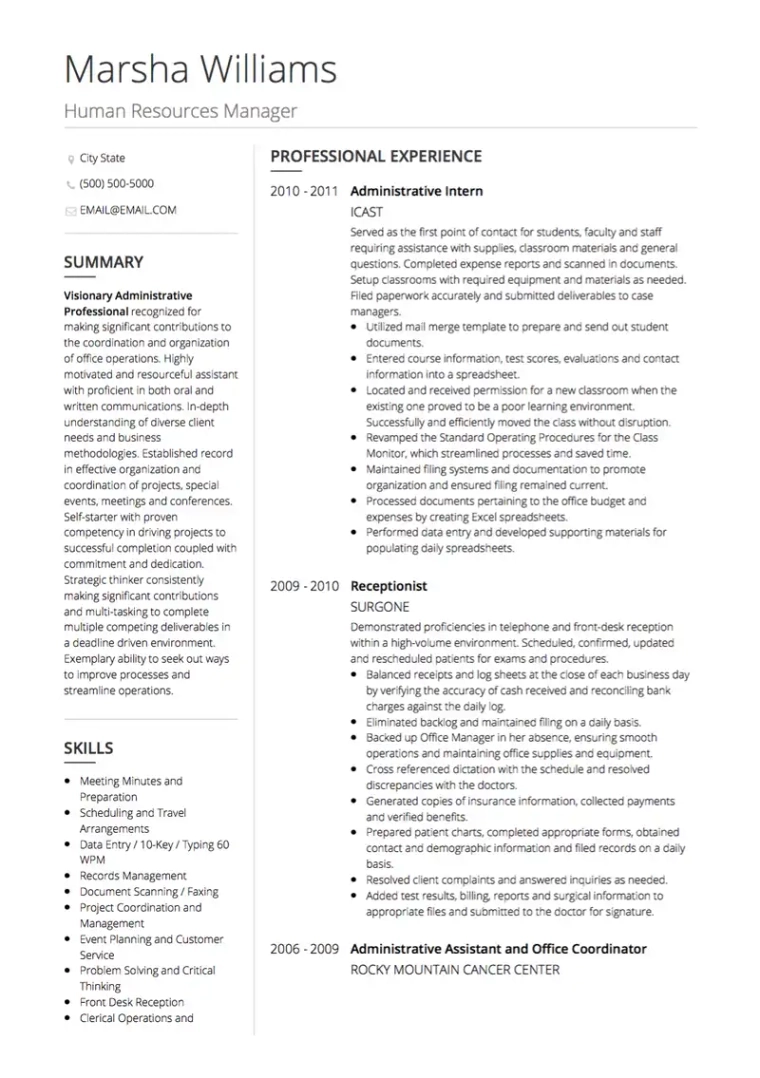
Administration Gulf CV Example

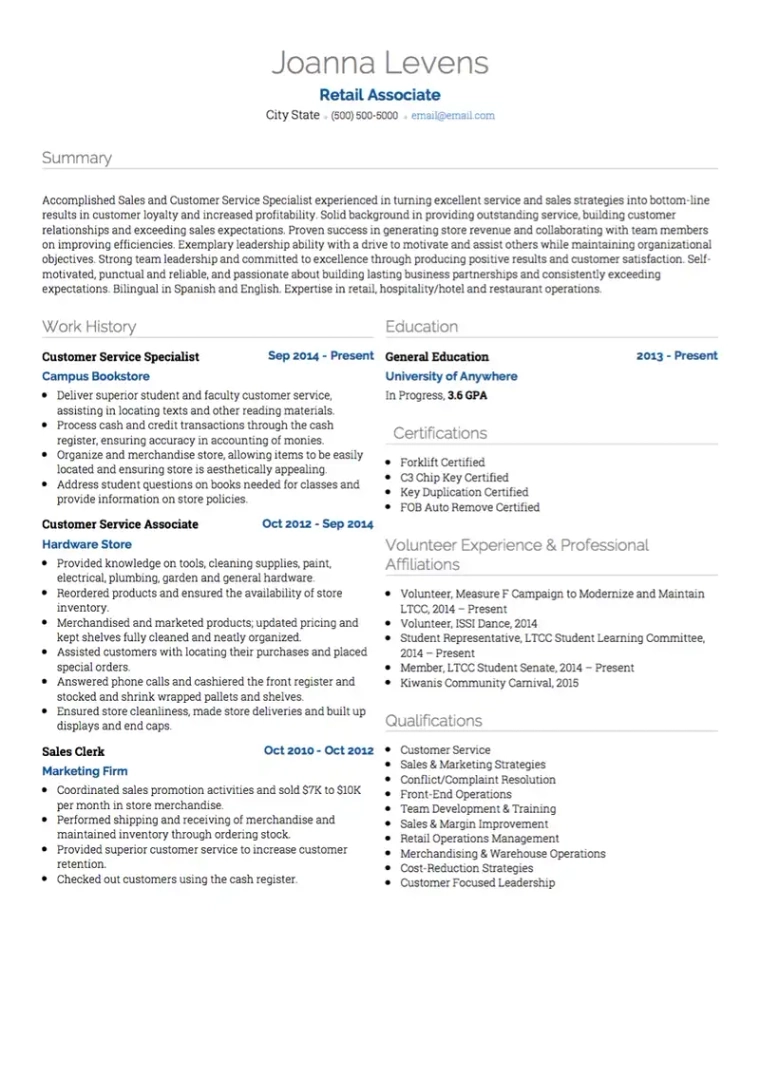
Retail Gulf CV Example
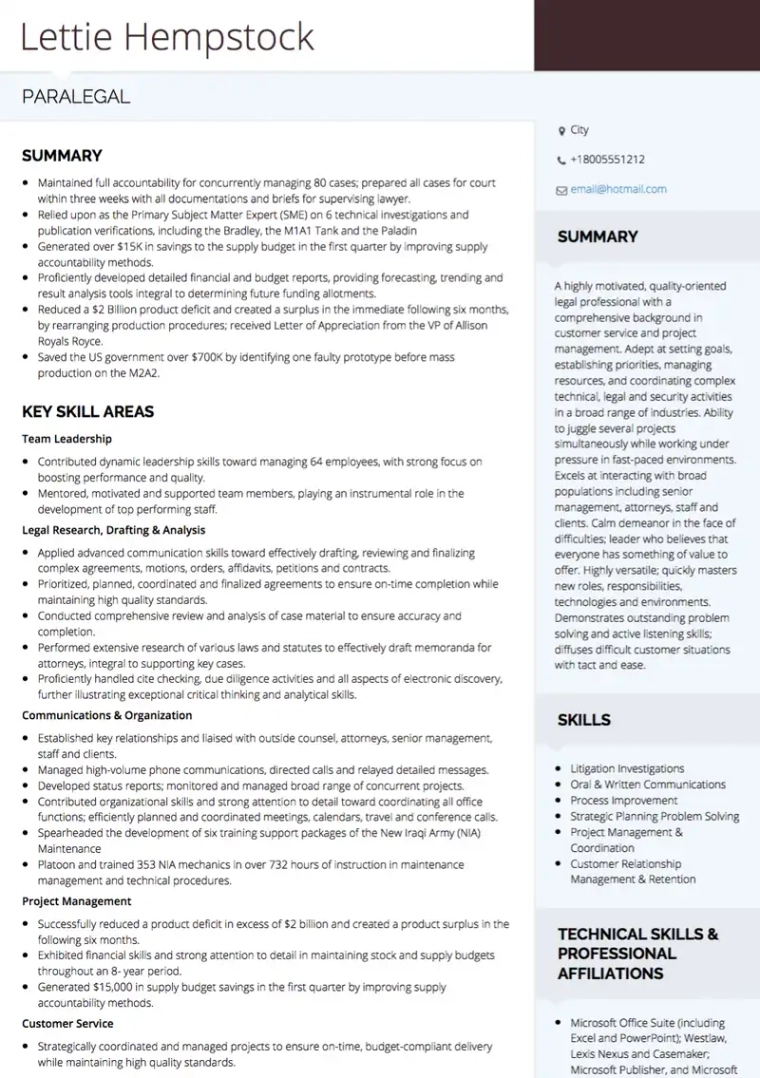
Professional Gulf CV Example
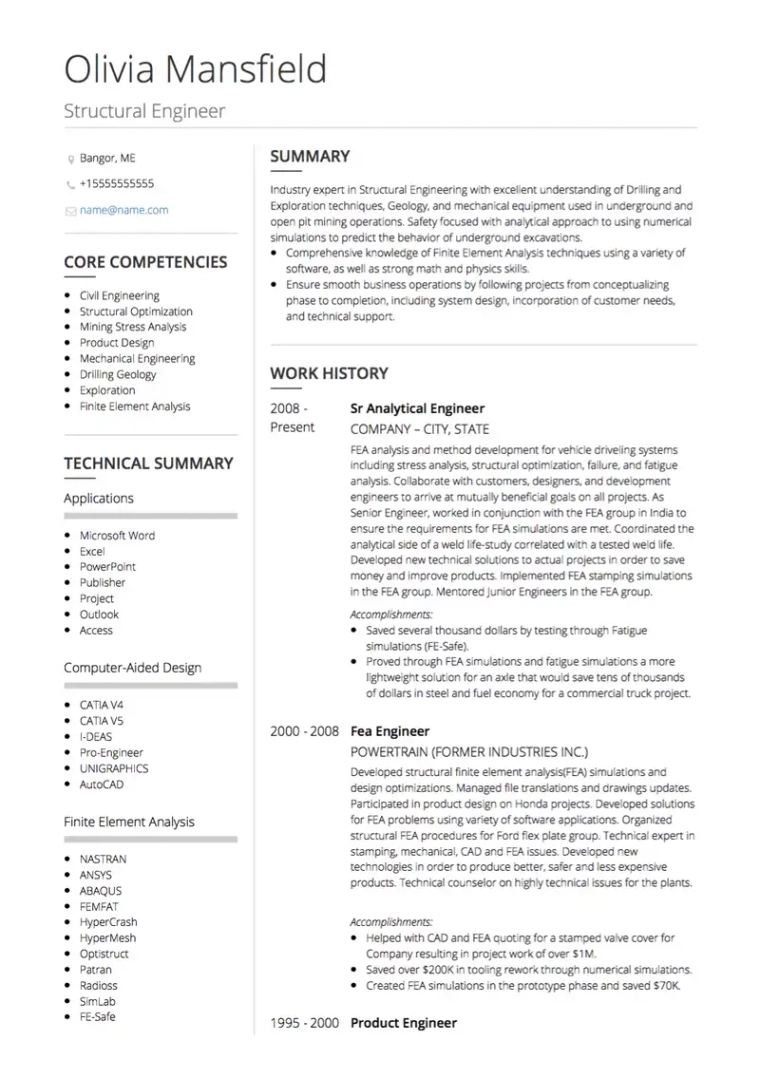
Engineering Gulf CV Example
Marketing Gulf CV Example

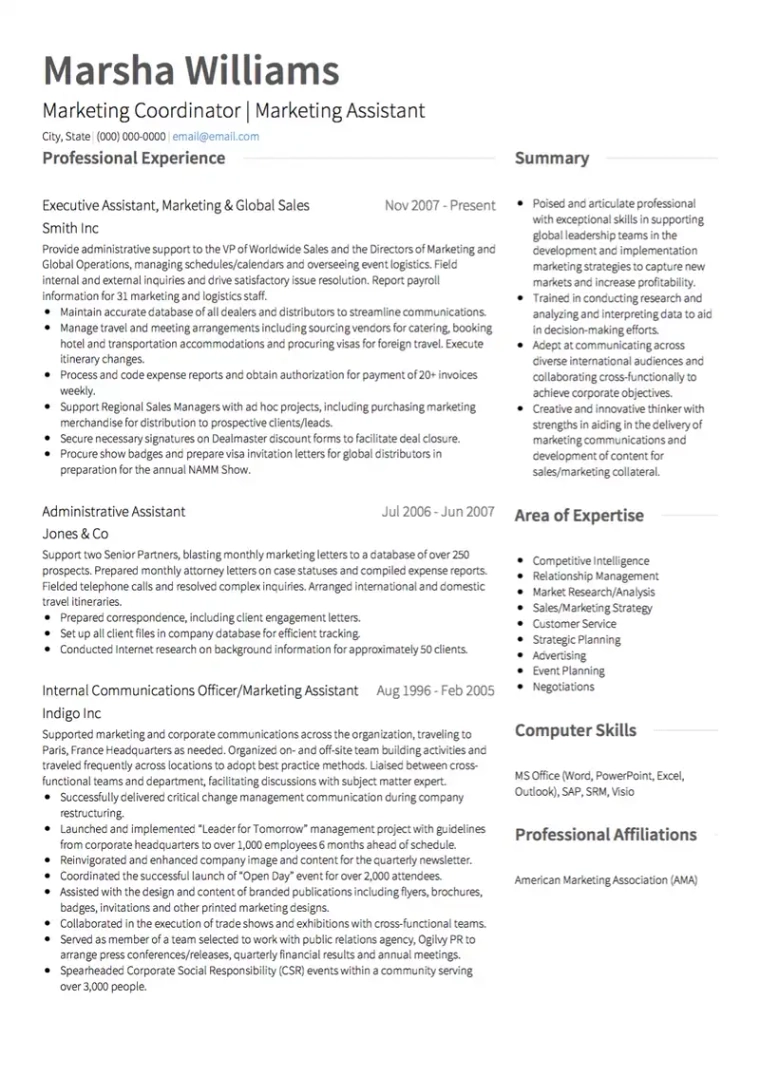
Management Gulf CV Example

Accountant Gulf CV Example

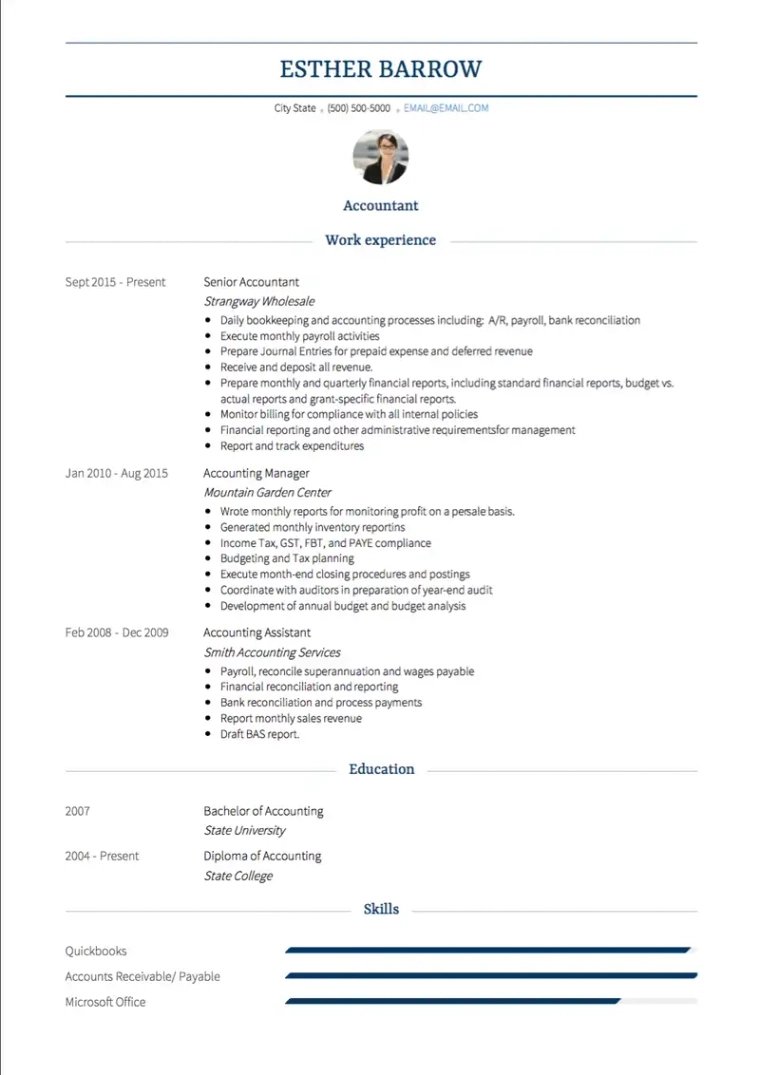
How to List Personal Information on a Gulf CV
When listing personal information on your Gulf CV, include the following:
- Full Name: Prominently displayed at the top.
- Contact Information: Include your phone number (with appropriate country code), email address, and city of residence.
- LinkedIn Profile (Optional): If your LinkedIn profile is professional and updated, include the link.
- Nationality: Often required in the Gulf.
- Visa Status: Clearly state whether you hold a working visa, residence visa, or are on a visit visa.
How to List Your Name on a Gulf CV
Place your name prominently at the top of your CV, using a slightly larger or bold font for emphasis.
Photo on a Gulf CV
Photos are commonly included in Gulf CVs. Ensure your photo is:
- Professionally taken, featuring business attire.
- Small, typically passport-sized (2x2 inches or 4x4 centimeters).
- Set against a neutral background.
How to List Your Nationality on a Gulf CV
Nationality should be listed clearly in the personal information section. For example: Nationality: Indian Nationality: Canadian
How to List Your Contact Information on a Gulf CV
Provide your professional email address and phone number with the correct country code.
How to Mention Your Visa Status on a Gulf CV
Include your visa status at the top of the CV. Example: Visa Status: Employment Visa
How to Write Work Experience for a Gulf CV
Write your work experience in reverse chronological order, using bullet points for clarity. Focus on achievements using numbers and action verbs. When listing Gulf work experience, include:
- Job Title
- Company Name
- Location (City, Country)
- Dates of Employment
- Responsibilities and Achievements
Education Background on a Gulf CV
Include details about your academic qualifications, starting with the most recent. Include:
- Degree Title
- Institution Name
- Graduation Date
- Major or Field of Study
- Relevant coursework or projects, if applicable.
Example Format for Education on a Gulf CV
Example 1: Master of Business Administration (MBA) Example 2: Institution: Gulf University, Qatar Graduation Date: April 2020 Major: Information Technology
Skills to Highlight on a Gulf CV
Important skills to highlight in your Gulf CV include:
- Proficiency in Arabic and English.
- Technical and industry-specific skills.
- Leadership and project management abilities.
- Cross-cultural communication and teamwork.
- Problem-solving and adaptability.
How to List Language Skills on a Gulf CV
Add a separate language skills section, highlighting proficiency levels. Examples:
- Arabic: Fluent (Native Speaker)
- English: Advanced (IELTS Band 8.0)
How to List Certifications and Licenses on a Gulf CV
Include a dedicated section for certifications and licenses. List each certification with the issuing authority and relevant dates. Example:
Certified Project Manager (CPM) Issuing Organization: International Project Management Institute (IPMI) Date of Issuance: March 2021
How to List References on a Gulf CV
Create a separate section for references, including the following details:
- Full Name
- Job Title
- Company Name
- Contact Information (Email and Phone)
- Professional Relationship
Example of References on a Gulf CV John Doe
- Job Title: Operations Manager
- Company: Gulf Enterprises
- Email: john.doe@example.com
- Phone: +971 55 123 4567
- Professional Relationship: Former Supervisor
How to List Your Objective on a Gulf CV
Including an objective at the start of your Gulf CV can set a focused tone for your application. Here’s how to write it effectively:
- Tailor to the Job: Your objective should reflect the specific role you are applying for. Mention the job title or industry and how your skills match.
- Keep It Concise: A one to two sentence statement is sufficient. Be clear and direct about your career goals.
- Highlight Your Strengths: Focus on your key competencies, such as relevant experience or education, that position you as the ideal candidate for the job.
Example Objective Statement for a Gulf CV:
"Results-driven marketing professional with over 5 years of experience in digital marketing and brand strategy within the GCC region, seeking to leverage expertise in driving sales growth in a dynamic Gulf-based organization."
How to List Internship Experience on a Gulf CV
Internships are crucial, especially for entry-level professionals in the Gulf region. Here’s how to present them:
- Treat Like Work Experience: List your internships in the same format as full-time positions.
- Focus on Key Contributions: Highlight your role and contributions, even if they were learning experiences.
- Emphasize Relevance: Tailor the description of your internship experience to the job you are applying for, showing how it aligns with industry expectations.
Example Format for Listing Internship Experience:
Marketing Intern
- Company: Gulf Media Group, Dubai, UAE
- Dates: January 2023 – April 2023
- Key Responsibilities:
- Assisted in digital marketing campaigns across multiple channels, increasing brand visibility by 15%.
- Conducted market research and competitor analysis for regional product launches.
How to Write a Professional Summary on a Gulf CV
The professional summary is crucial for experienced professionals seeking jobs in the Gulf region. It provides a snapshot of your career and competencies:
- Keep It Brief: Write a 3-4 sentence summary that highlights your experience, core skills, and career achievements.
- Showcase Regional Experience: If you have worked in the Gulf or GCC, mention this to emphasize your understanding of local business culture.
- Include Notable Achievements: Quantify any key successes (e.g., "Increased sales by 20% in three Gulf markets").
Example Professional Summary:
"Experienced HR Manager with over 7 years of expertise in recruitment, talent management, and employee relations across the GCC region. Proven track record in building high-performing teams and developing HR strategies that align with organizational goals. Adept at working in multicultural environments and implementing best HR practices in compliance with Gulf labor laws."
How to List Volunteer Experience on a Gulf CV
Volunteer experience can demonstrate your commitment, especially in community-driven Gulf cultures:
- Highlight Relevant Skills: Focus on skills that align with the job you’re applying for.
- Show Leadership: If you took on a leadership or organizational role, be sure to mention it.
- Community Involvement: In the Gulf, community and charitable activities are highly regarded, so make sure to include any impactful work.
Example Format for Volunteer Experience:
Volunteer Coordinator
- Organization: Red Crescent, Kuwait
- Dates: June 2022 – Present
- Key Contributions:
- Led a team of 20 volunteers to distribute aid to underprivileged communities.
- Organized charity events, raising over AED 200,000 in donations.
How to List Gulf-Specific Knowledge on a CV
Knowledge of the Gulf region and its specific industries can set you apart. Here’s how to highlight it:
- Industry-Specific Knowledge: If you have experience in Gulf industries like oil and gas, real estate, or finance, make it clear.
- Cultural Understanding: Show your familiarity with the local business culture, values, and market trends. This is especially important for roles that require client interaction.
- Regulatory Knowledge: Highlight your understanding of local labor laws, industry regulations, or visa requirements.
Example of Listing Gulf-Specific Knowledge:
"Extensive knowledge of UAE’s real estate regulations and market trends, with hands-on experience in project management for leading property development companies in the region."
Achievements Section on a Gulf CV
Adding an achievements section can strengthen your CV, especially for senior roles:
- Quantify Your Achievements: Use numbers to demonstrate the impact you made, such as increased sales, reduced costs, or successful projects.
- Relate to the Gulf Region: Mention achievements specifically related to Gulf markets or clients.
- Diverse Skills: Highlight a mix of technical skills, leadership, and contributions to team success.
Example of Achievements Section:
Key Achievements:
- Spearheaded a project that increased company revenue by 25% in the Saudi Arabian market.
- Led a cross-functional team that reduced operational costs by 15% in a leading GCC-based logistics firm.
- Successfully launched 5 product lines in Qatar, generating over AED 3 million in sales within the first year.
Technical Skills for a Gulf CV
Technical skills are highly valued in many Gulf industries, such as IT, engineering, and healthcare. Ensure these skills are listed clearly:
- Industry-Specific Technologies: List technologies, software, or systems relevant to your field.
- Certifications: If you have certifications in key technical areas, ensure they are mentioned here as well.
- Level of Proficiency: Be honest about your proficiency level, whether it’s beginner, intermediate, or expert.
Example of Technical Skills Section:
Technical Skills:
- Proficient in AutoCAD and SAP for project management in construction projects.
- Advanced knowledge of Oracle ERP systems used in the finance sector.
- Fluent in Python and Java for developing data-driven applications.
How to List Hobbies and Interests on a Gulf CV
Including hobbies and interests can help demonstrate your personality and fit with the company’s culture, especially for roles in people-facing sectors like hospitality:
- Keep it Relevant: Highlight hobbies that relate to teamwork, leadership, or stress management.
- Avoid Controversial Interests: Stick to neutral or positive hobbies, avoiding anything that could be culturally sensitive.
- Showcase Passion: Interests that demonstrate passion for continuous learning or cultural integration in the Gulf can be an advantage.
Example of Hobbies and Interests Section:
Hobbies & Interests:
- Avid traveler with experience in exploring various Gulf countries, gaining insight into regional business cultures.
- Active participant in corporate football leagues, demonstrating teamwork and leadership.
- Passionate about learning languages, currently studying Gulf Arabic to improve business communication skills.
Copyright ©2025 Workstory Inc.