Australia CV Tips & Format Requirements
Applying for a job in Australia? This guide has the tips, examples, & format requirements needed to write the perfect Australian CV. Create your VisualCV today!
Australia CV Requirements
As with most countries, Australia has its own specific work culture and set of expectations for CVs. When applying for a job in Australia, it is important to ensure that your CV adheres to Australian CV requirements and is tailored to impress Australian recruiters and employers.
Browse our gallery of resume examples here.

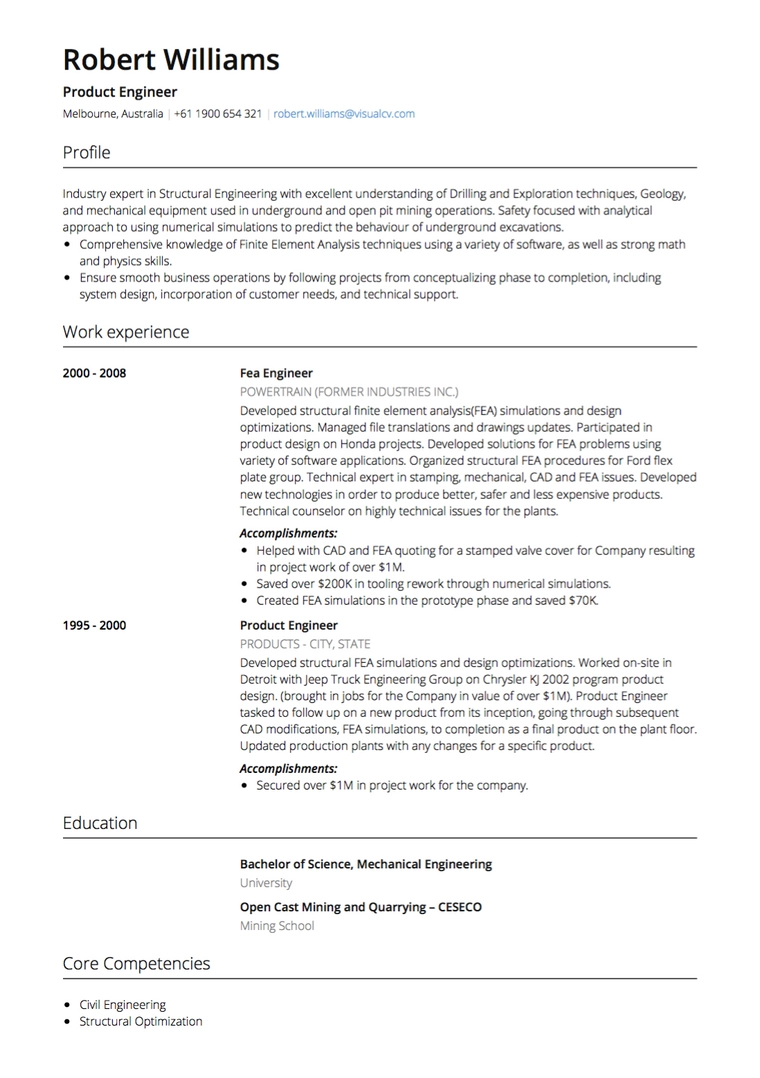
Australia CV Tips and Rules:
Australia CV Length: For experienced professionals, a three or four page resume is expected in Australia. If you are recently graduated or new to the workforce, two pages is sufficient, but as soon as your work history is robust enough for three to four pages, your resume should expand accordingly.
Australia CV Terminology: The terms ‘resume’ and ‘CV’ are used synonymously in Australia - they refer to the same document. The word ‘resume’ is used more commonly, however, so if in doubt, use that one.
Australia CV Language: When writing your resume, be sure to use correct Australian English - don’t forget those extra u’s, as in ‘colour’ and ‘labour’ (as opposed to the American spellings ‘color’ and ‘labor’).
Australia CV Format, Order and Layout:
Australia CV Photo: As a rule of thumb, it is best not to include a photo in your Australian CV. If you intend to host your resume online, or if you are in a creative industry where visuals are highly valued, then an image may be an asset. Be sure to do your research, however - if the company you are applying to isn’t expecting a photo, it can hurt your chances. As Australian HR and recruitment consultant Karalyn Brown says, “When you put your photo on your resume you are inviting a recruiter with their own set of prejudices, to consider how you look along with what you may have achieved.”
Australia CV Personal Information: The only personal information required for an Australian resume is your contact information - your name, address, phone number, mobile number and email address (which should be some variation of your name - keep it professional: firstname.lastname@example.com or something similar). Any other personal information such as age, marital status, and number of children is not relevant to your experience or job performance and should not be included.


Australia CV Objective: It is recommended, though not mandatory, that you include a Career Objective at the top of your resume. This can also be called a Career Profile or Summary. Your objective serves as a short introduction to you and to your resume and should give the hiring manager a reason to continue reading. According to Karalyn Brown, “A resume without a career objective is like a movie without a title, or a trailer.” Your objective should be brief - three to five lines - and should give a very clear description of the experience you are bringing to the position, and what your goals and ambitions are for the role you are applying to.
Australia CV Work Experience: Display your work experience in reverse-chronological order, with your most recent position at the top. Each entry should include the beginning and end date of your tenure, and be sure to account for gaps in your employment. Give details about your work experience, including your responsibilities and achievements in each role. Use quantifiable information wherever possible, and use powerful verbs like ‘delivered’, ‘trained’, and ‘promoted’.
Australian CV Education: List your relevant degrees and diplomas in reverse-chronological order, including dates. Include the name of the institution, your major, minor, and specialization, as well as any significant awards you may have received.
How to Tailor Your Australia CV for Specific Roles
- Identify role-specific keywords from the job description and integrate them naturally into your Australia CV to align with the employer's expectations.
- Emphasize key skills in a dedicated section, showcasing both transferable skills (e.g., communication) and hard skills (e.g., technical expertise).
- Customize your career objectives to reflect your professional goals and demonstrate how your experience aligns with the specific job title and requirements.
- Highlight relevant employment history by listing roles in reverse chronological order and emphasizing achievements that match the job description.
- Focus on measurable achievements rather than generic duties, using strong action verbs to create a compelling resume.
- Adapt to the Australian job market by researching industry-specific standards and aligning your Australia CV format to meet employer expectations.
- Include additional sections like certifications or volunteer work to showcase qualifications and experiences relevant to the role and valued by Australian employers.
- Ensure your CV is optimized for applicant tracking systems (ATS) by using clear formatting and including relevant keywords from the job posting.
Tailoring your Australia CV for each job application ensures you meet recruiter expectations and stand out in the competitive Australian job market.
How to Make Your Australia CV ATS-Friendly
To optimize your Australia CV for Applicant Tracking Systems (ATS) and increase your chances of success, follow these tips:
- Use clear section headings such as "Work History," "Key Skills," and "Certifications" to make your CV easy to parse for ATS and readable for hiring managers.
- Avoid graphics, tables, and unusual formatting. Stick to a professional layout with standard fonts like Arial or Times New Roman for compatibility with ATS software.
- Integrate relevant keywords from the job description into your Australia CV. Include these keywords in your career objectives, skills section, and employment history to match ATS criteria.
- Save your CV in ATS-compatible formats such as PDF or Word to ensure readability by digital systems. Avoid embedding text in images or using overly complex designs.
- Use bullet points to describe responsibilities and achievements in your work history. Begin each point with a strong action verb and include quantifiable results to enhance clarity and impact.
- Focus on relevant content by emphasizing key skills, hard skills, and employment history. Exclude unnecessary details like marital status or an inappropriate email address.
- Include a dedicated skills section that highlights both transferable skills and technical skills relevant to the job role. This makes it easier for ATS and recruiters to evaluate your qualifications.
- Tailor your resume for each job application by customizing keywords, responsibilities, and achievements to align with the specific job description.
By implementing these strategies, your Australia CV will be optimized for ATS, making it more likely to reach hiring managers and stand out in the competitive Australian job market.
How to Highlight Work Experience on Your Australia CV
Effectively presenting your work experience on your Australia CV is key to impressing hiring managers and tailoring your application for the Australian job market. Here are the best practices:
- List your employment history in reverse chronological order, starting with your most recent or relevant job. This ensures your most impactful roles are seen first.
- Include your job title, company name, and employment dates for each role to provide a clear timeline for hiring managers and potential employers.
- Focus on relevant experience by tailoring your descriptions to match the requirements of the specific job you’re applying for.
- Use bullet points to describe your responsibilities and accomplishments, keeping them concise and measurable. For example, "Increased customer satisfaction scores by 20% over six months."
- Incorporate key skills and hard skills into your descriptions to align with the role and showcase your expertise.
- Highlight transferable skills like communication skills or leadership that demonstrate your ability to adapt and succeed in new roles.
- Avoid vague descriptions and instead focus on quantifiable achievements to create a compelling resume that stands out.
- Mention any volunteer work that aligns with the position, especially if it showcases valuable experience or skills.
- Proofread your descriptions to ensure they are free of spelling mistakes and errors, as these can leave a poor impression.
- Ensure your formatting, such as bullet points, is consistent and contributes to a professional layout for easy readability.
By structuring and describing your work experience effectively, you can craft an Australia CV that captures attention and meets the expectations of Australian employers.
How to Showcase Skills on Your Australia CV
The skills section of your Australia CV is an opportunity to highlight both your transferable skills and technical skills, demonstrating your suitability for the role. Transferable skills, such as communication skills, problem-solving, and teamwork, show your ability to adapt and excel in diverse work environments. Technical skills, on the other hand, directly align with the job requirements and include industry-specific competencies like software proficiency, data analysis, or equipment handling. When crafting this section, tailor your skills to the job description, incorporating relevant keywords that reflect the expectations of Australian employers. Use a concise bullet-point format to ensure clarity and readability, focusing on the skills that set you apart as a suitable candidate for the role.
Examples of Skills for Your Australia CV
-
Technical Skills:
- Proficient in Microsoft Excel, Python programming, and data visualization tools.
- Expertise in project management software, such as Jira and Trello.
- Skilled in AutoCAD for engineering design and drafting.
-
Transferable Skills:
- Strong communication skills for stakeholder engagement and collaboration.
- Exceptional problem-solving abilities in high-pressure environments.
- Proven leadership skills in team coordination and project delivery.
-
Industry-Specific Skills:
- Certified in Australian Workplace Health and Safety (WHS).
- Knowledgeable in local regulatory compliance for construction projects.
- Experienced in digital marketing strategies tailored to the Australian market.
By structuring your skills effectively, you can create a compelling resume that appeals to potential employers in the Australian job market.
How to Adapt Your Australia CV to Australian Work Culture
To align your Australia CV with Australian work culture, emphasize transferable skills like teamwork, adaptability, and effective communication. Showcase relevant experience in your employment history, and tailor your CV to focus on skills and achievements that reflect the expectations of Australian employers.
How to Include Volunteer Work on Your Australia CV
Volunteer work is highly valued in Australia and can significantly enhance your CV. Create a separate "Volunteer Work" section or integrate it into your career history or employment history if the experience is directly relevant to the role. Highlight specific achievements and skills gained through volunteering, such as teamwork, leadership, or organizational abilities. Tailor this section to emphasize how your volunteer contributions support your professional development and make you a suitable candidate for the job.
Examples of Including Volunteer Work
-
Volunteer Project Manager, Habitat for Humanity, Sydney (June 2022 – Present) Coordinated logistics for housing projects, ensuring on-time delivery of materials and resources. Managed a team of 10 volunteers, achieving project milestones ahead of schedule.
-
Community Coordinator (Volunteer), Red Cross Australia, Melbourne (January 2021 – December 2022) Organized weekly community outreach programs, increasing participation by 25%. Developed marketing materials to promote events, enhancing engagement and visibility.
Including volunteer work effectively on your Australia CV demonstrates a commitment to community and showcases skills valued by Australian employers.
How to Highlight Certifications on Your Australia CV
Certifications and training programs can significantly enhance your Australia CV by showcasing your commitment to professional development and aligning with the needs of Australian employers. List certifications in a dedicated "Certifications" or "Training" section to highlight your qualifications clearly. Include relevant details such as the certification name, issuing institution, and completion date. Prioritize local qualifications, like TAFE certifications, or industry-recognized courses that hold value in the Australian job market.
Examples of Listing Certifications
Certifications
- Certificate IV in Project Management, TAFE NSW (2022)
- Advanced First Aid Training, St John Ambulance Australia (2023)
- Professional Scrum Master (PSM I), Scrum.org (2021)
Integrated into Career History
- Project Coordinator, ABC Construction, Melbourne (2020–2023) Completed Certificate IV in Work Health and Safety, leading to improved compliance across projects.
Effectively presenting your certifications ensures they complement your employment history and demonstrate the skills that make you a suitable candidate for roles in the Australian job market.
How to Write a Career Objective for Your Australia CV
Master the art of crafting a concise, tailored career objective that reflects your goals and aligns with the specific job you’re applying for in Australia. Focus on highlighting your relevant skills, soft skills, and key achievements that make you a suitable candidate for the role. Use Australian English to ensure clarity and professionalism, avoiding spelling errors or informal phrases. A strong career objective can help impress employers by demonstrating a clear connection between your experience and their requirements.
How to Include Contact Details on Your Australia CV
Get tips on presenting your contact details professionally and securely, adhering to Australian culture and privacy norms. Include only essential information such as your full name, city and state, phone number, and a professional email address (avoid an inappropriate email address). Avoid listing unnecessary personal details, like your marital status, date of birth, or home address, which are not required for job applications in Australia. Keeping this section clean and concise ensures your CV aligns with modern recruitment process expectations.
How to Create a Professional Layout for Your Australia CV
Discover best practices for designing a clean, professional layout for your Australian resume. Use Microsoft Word or similar tools to structure your CV with clear headings, consistent formatting, and an easy-to-read structure. Prioritize relevant keywords from the job description to make your CV ATS-friendly while maintaining a professional appearance. Include bullet points to list achievements and responsibilities effectively, ensuring your CV stands out in both digital and traditional recruitment processes.
Resume template: Browse through our gallery of Australian resume templates.
3 Australian CV Examples
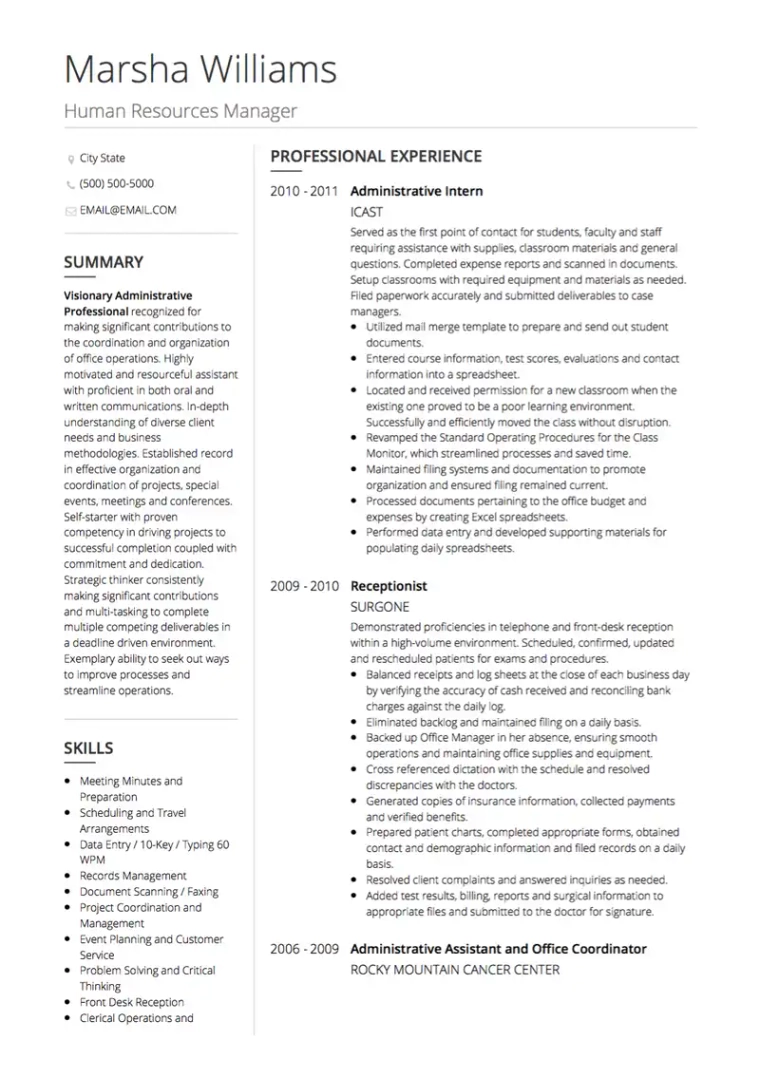
HR Australia CV Example
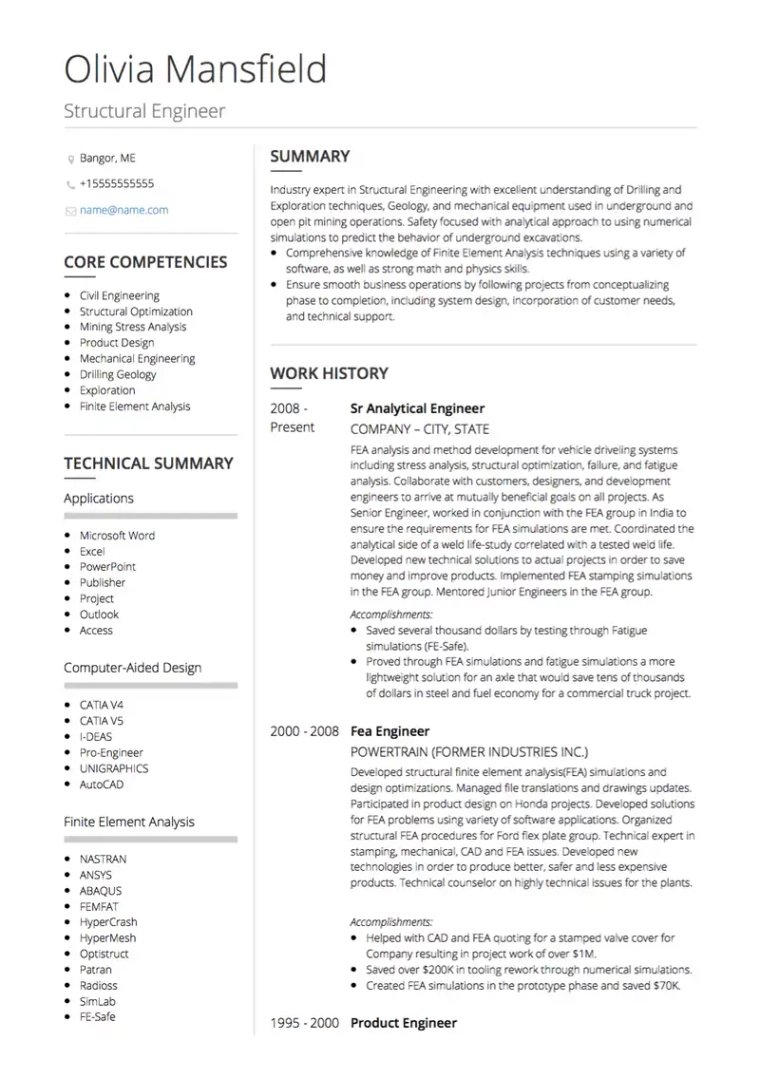
Engineer CV Example Australia
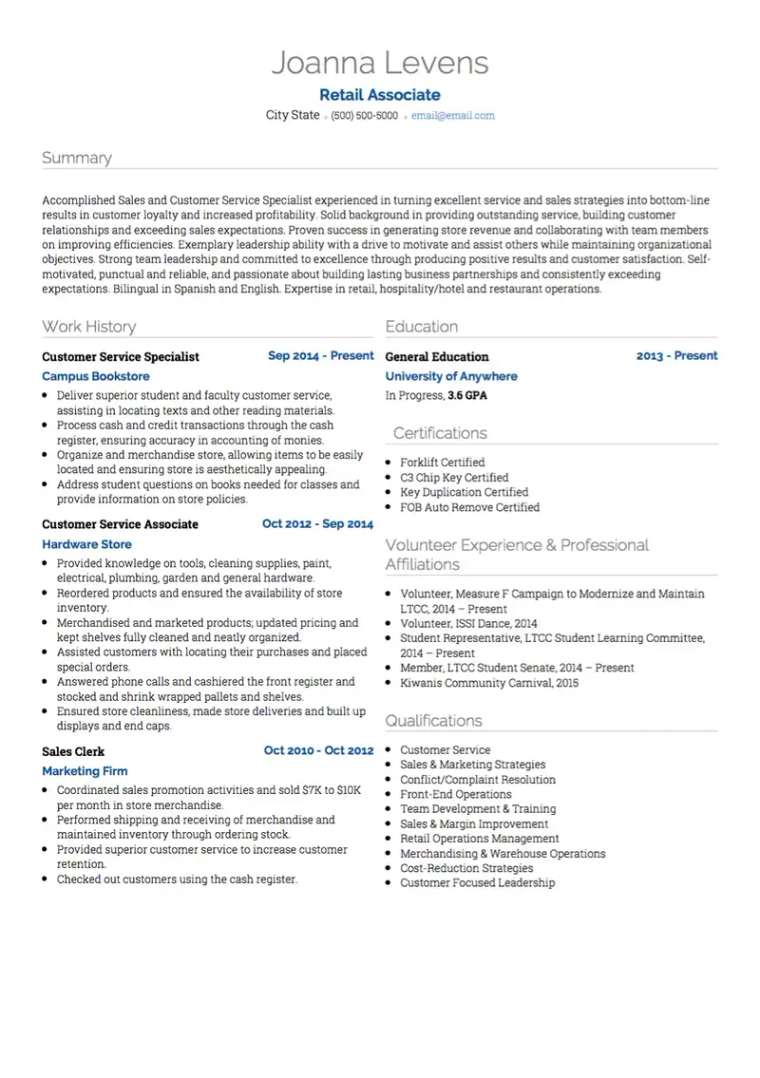
Australian CV example
Other sections for your Australian CV:
If you have information that you would like to display that was not covered by the sections above, you can include them in a separate section on your resume. Other sections include:
Skills: It is common to include a simple list of skills kept separate from your work history. This is to provide a quick, at-a-glance look at what you excel at, without delving into your experience too much.
Volunteer Experience: Volunteering experience should be noted on your resume. If you prefer, you can include volunteer experience in your Work History section, but be sure to note when a role is a volunteer position. Languages: If you are fluent in multiple languages, noting them may be an asset.
References: A simple ‘References available on request’ note will do here. It is not necessary to provide references until requested to by an employer or recruiter.
Does Australia Use CV or Resume?
In Australia, CV and Resume are used interchangeably. So you are free to select between either as your word of choice.
How do I Write a Good Australian CV?
Important things to keep in mind while writing your Australian CV is that your CV should be more than 1 page, you should follow Australian English, avoid including a photo and customize your CV for each job that you are applying to.
What is the Right Length for an Australian CV?
Most Australian hiring managers expect a CV to be more than 1 page long. An Australian CV should expand in number of pages as the experience of the job applicant increases.
Should I Put Address on my Australian CV?
While we recommend that you add your current location on your Australian CV, adding the full address isn’t advisable. Avoid listing the street name and simply list the city and the state you live in instead.
Additional Tips to Perfect Your Australia CV
To create a truly standout Australian resume that aligns with employer expectations, focus on refining every aspect of your document. Start by using a resume template to ensure a clean and professional layout while maintaining ATS compatibility. Incorporate soft skills, such as leadership, problem-solving, and adaptability, alongside technical abilities to show you’re a well-rounded candidate.
Complement your CV with a tailored cover letter that emphasizes how your skills and experiences align with the role. If you need guidance, you can find a free resume template online to streamline the formatting process. Use the reverse chronological resume format to list your career history, ensuring that your most recent job and significant achievements appear first.
For ongoing success in the Australian job market, seek out career advice to keep your application strategies up to date. Highlight your unique skills that set you apart from others, whether they are technical proficiencies or leadership capabilities. Mention specific career pathways you’ve pursued, such as training programs or upskilling opportunities that demonstrate your commitment to professional development.
Consider how digital resumes can enhance your job applications by ensuring they’re optimized for online submissions and applicant tracking systems. If your qualifications include education at institutions like Adelaide College, make sure to highlight this under education or certifications.
By paying attention to detail and using a strategic approach, you can craft a winning application that impresses potential employers and positions you for success in Australia’s competitive job market.
Conclusion:
A well written and correctly formatted resume is integral to your job search. When applying for positions in Australia, it is important to tailor your resume to suit Australian CV requirements and expectations. Don’t let a poor resume stand between you and a great career in Australia!
Copyright ©2025 Workstory Inc.