Turning your experience into a resume for remote jobs is harder than simply adding “remote” to a previous title. You need to show that you can communicate clearly, manage priorities independently, and deliver results when your manager and team are not in the same room.
With more than 7 million users in over 125 countries, VisualCV has learned that effective resumes for remote jobs connect achievements to the habits that make distributed work reliable. In practice, you should use concrete examples to show how you collaborate across tools, keep work moving, and stay accountable without constant oversight. A resume builder can help organize that information, but the substance must come from your own experience and judgment.
Follow the steps below to create a targeted resume that demonstrates you can perform confidently and effectively in a remote role.
Here are the steps this guide covers:
| Step | Action | Time Required | Key Output |
|---|---|---|---|
| Step 1 | Extract role and remote requirements | 15 minutes | Prioritized keyword list |
| Step 2 | Draft a targeted professional summary | 20 minutes | Three-line summary |
| Step 3 | Add remote-specific achievement bullets | 30 minutes | Evidence-based experience section |
| Step 4 | Match skills to job requirements | 15 minutes | Tailored skills section |
| Step 5 | Check formatting and tailor final copy | 20 minutes | Submission-ready resume |
Before drafting your resume for remote jobs, read the posting twice. On the first pass, isolate the role's core responsibilities, required qualifications, and deliverables. On the second, flag every detail that defines how the work happens remotely, including collaboration, availability, and location constraints. Focus on stated job-related requirements, not personal characteristics employers may not consider when screening.4
Spend 15 minutes annotating repeated skills, named tools, communication expectations, time-zone requirements, and results the employer wants you to produce. Count terms that appear in both the responsibilities and qualifications sections, then rank them above one-off preferences. Use the resulting prioritized keyword list to describe real experience, not to scatter generic remote-work terms where they do not fit.
Sort Posting Details
| What to Do | Why It Matters |
|---|---|
| Must-have qualifications: mark repeated requirements | They define your strongest matching evidence |
| Remote signals: note tools and time zones | They show how the team works |
| Optional qualifications: label preferred extras | They help break ties, not priorities |
Use the first three lines of your resume for remote jobs to connect your role expertise with your ability to produce results independently across a distributed team. A resume should present your qualifications in a clear, organized format that makes your experience easy for employers to review.1 Draft this summary in 20 minutes, naming the work you do, the business problem you solve, and how you stay effective when colleagues work across locations or time zones.
Include your years of experience, a relevant specialization, one measurable result, and proof of remote-work strengths. Replace labels such as “self-starter” with evidence, such as “8 years in SaaS customer success, specializing in enterprise onboarding, reduced implementation time by 22%, and coordinated weekly launches across five time zones.”
Turn Claims Into Proof
| What to Do | Why It Matters |
|---|---|
| Replace “self-starter” | Name an independently delivered project |
| Replace “great communicator” | Cite stakeholder updates or cross-time-zone coordination |
| Replace “remote-ready” | Show a measurable distributed-team result |
Spend 30 minutes reframing each relevant role around outcomes, not routine duties. For a U.S. federal application, include detailed information about each relevant role, including duties and accomplishments, while emphasizing the outcomes you achieved remotely.3 Show what you owned independently, how you moved work forward, and how you collaborated across locations, time zones, or functions. Include communication habits such as documenting decisions, running status updates, resolving blockers, or keeping stakeholders informed without constant supervision.
Start each bullet with a strong action verb, then add a measurable result, distributed-team context, and the tools you used. For example, write, "Coordinated a five-person cross-functional project in Asana, delivering two weeks ahead of schedule," rather than, "Managed project tasks." If you have not held a formal remote role, use transferable examples from hybrid work, client communication, independent projects, virtual training, or coordinating work through Slack, Zoom, shared documents, or project boards. These details make your remote job resume show evidence of remote-ready habits.
Turn Duties Into Remote Results
| What to Do | Why It Matters |
|---|---|
| Replace “managed projects” with deadline and delivery rate. | Shows accountable execution without close supervision. |
| Name Slack, Zoom, Asana, or shared documentation. | Proves fluency with distributed-team workflows. |
| Quantify response times, quality gains, or stakeholder outcomes. | Turns routine duties into verifiable impact. |
Spend 15 minutes comparing the posting's required and preferred qualifications with your experience. Prioritize the technical skills needed to perform the work, functional skills tied to the role, and remote collaboration skills such as asynchronous communication or documentation. U.S. Census Bureau employment statistics include data on people who work from home.5 Choose 8 to 12 skills that appear in the posting and that you can support with real work, rather than listing every platform you have touched. Put the most relevant terms first, using the employer's wording when it accurately describes your ability.
Place Slack, Zoom, Asana, Jira, or Microsoft Teams in a dedicated Skills section, grouped under Collaboration or Work Management, unless a tool is central to the role. Label tools you use independently as proficient, and describe tools you have only explored as familiar with, or omit them. Never claim software expertise you cannot demonstrate in an interview or use during your first week.
Choose Skills That Match the Role
| What to Do | Why It Matters |
|---|---|
| List required technical skills first | Shows you can perform core tasks |
| Group Slack and Zoom under Collaboration | Makes remote capabilities easy to scan |
| Remove tools you cannot use independently | Prevents credibility problems in interviews |
Use a clean, ATS-friendly layout that lets recruiters scan your remote qualifications in seconds. Choose standard section headings, a single readable font, and simple bullet points, then avoid columns, text boxes, graphics, and headers that may disrupt parsing. Clear organization helps application documents communicate your qualifications effectively.2
Spend 20 minutes checking every detail before you submit. Confirm your phone number, professional email, and portfolio links work, add your city, state, or time zone only when the posting makes it relevant, and use one date format throughout. Make headings easy to scan, save a PDF only if the posting requests or accepts it, and compare your final wording, job title, and requirements against the exact posting.
Pre-Submission Checklist
| What to Do | Why It Matters |
|---|---|
| Use standard headings and simple bullets | Improves ATS parsing and recruiter scanning |
| Verify contacts, links, dates, and time zone | Prevents avoidable application errors |
| Match title and requirements to posting | Shows clear remote-job fit |
Prioritize evidence that you can deliver work independently, communicate clearly, and stay organized without constant supervision. Include relevant software, measurable results, and examples of cross-functional collaboration, especially if you worked with teams in different locations.
Label the role location as "Remote" or "Hybrid" next to the company name and job title. In your bullets, mention practical details such as managing projects asynchronously, leading video meetings, documenting processes, or coordinating across time zones when they strengthened the result.
Use comparable experience that proves you can work with autonomy, such as managing your own schedule, completing independent projects, freelancing, studying online, or coordinating through digital tools. Focus on the habits behind successful remote work, including proactive updates, written communication, and reliable deadline management.
List your time zone only when the job posting requests it or when availability overlaps with the employer's core working hours. Place it in your contact details, for example, "Based in Chicago, CT," rather than using valuable experience space.
Choose skills named in the posting, then support them with tools you can genuinely use, such as Slack, Zoom, Google Workspace, Microsoft Teams, Asana, Jira, or Notion. Avoid a long software list, and include only tools relevant to the role or ones you can discuss confidently in an interview.
A targeted resume helps you show that you can communicate clearly, manage your time, and deliver results without constant in-person supervision. By aligning your summary, experience, skills, and formatting with the role, you can give hiring managers quick proof that you are ready for remote work. Getting these details right can move your application past the first review, while a generic resume can obscure your strongest qualifications. Put your remote-ready experience into a polished document that is ready to submit.
Last updated: September 04, 2026

Written by
Madison Norton
Resume Expert & VP Marketing
Madison is the VP Marketing and General Manager at VisualCV. He's a seasoned marketing leader, resume writing and career marketing expert and now helping people grow their own career marketing strategies to build a career they love.
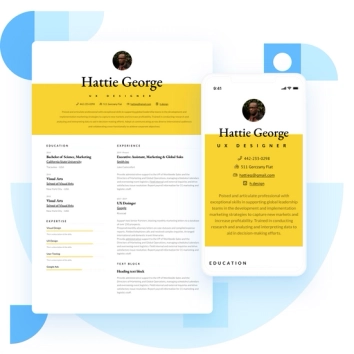
Discover the best resume formats for 2026 with examples for every job and experience level, plus expert tips to format your resume and get hired faster.
August 7, 2025
Read post

Resume Expert & VP Marketing
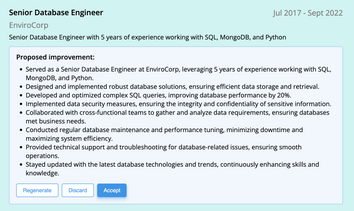
AI can change the way you write, and your resume is no exception.
November 27, 2023
Read post

Community Success Manager & Resume Writing Expert

Learning how to write a resume in 2025 is an important step in everyone's career. This step-by-step guide with resume examples will help you get started.
February 7, 2025
Read post
Community Success Manager & Resume Writing Expert

