Turning your work history into a concise, role-specific resume that shows your value quickly is difficult, especially when you are deciding what to cut, quantify, and tailor. Professional resume help can make that task more manageable without losing the details that distinguish your experience.
With more than 7 million users in over 125 countries, VisualCV has learned that effective professional resume help starts with translating your actual experience into clear evidence of fit for a specific role. In practice, you need to identify the achievements, skills, and language that matter most for the job you want, then present them in an order a hiring manager can scan quickly. A resume builder can help organize the work, but the substance still has to come from your own experience and judgment.
Follow the steps below to assess your experience, tailor each section to your target role, and produce a polished resume that is ready to submit.
Here are the steps this guide covers:
| Step | Action | Time Required | Key Output |
|---|---|---|---|
| Step 1 | Define target roles and career direction | 20 minutes | Clear target-role brief |
| Step 2 | Collect experience, achievements, and job postings | 30 to 60 minutes | Organized resume source file |
| Step 3 | Match support to your needs | 15 minutes | Appropriate support plan |
| Step 4 | Provide context and review drafts | 1 to 2 hours | Role-specific resume draft |
| Step 5 | Approve, tailor, and submit | 30 minutes per application | Submission-ready application package |
Professional resume help is most useful when you can name the role, industry, seniority level, and outcome you want your resume to support. Spend 20 minutes defining whether you are pursuing, for example, a senior project manager role in healthcare or an entry-level data analyst role in finance. Specify the next step you want, such as securing interviews, changing industries, or moving into management.
Choose one primary target role for this resume, even if you plan to apply for related positions. Save three to five current job descriptions, then note the repeated responsibilities, required skills, and preferred qualifications. Keep your brief focused on qualifications, rather than personal information employers may not consider when screening applicants.4 Do not request a generic resume meant for every opening, because a focused brief gives the writer a clear direction for positioning your experience.
Target-Role Brief
| What to Do | Why It Matters |
|---|---|
| Name target role and industry | Sets your resume's direction |
| List three strongest relevant strengths | Prioritizes your most valuable evidence |
| Compare three job descriptions | Identifies repeated requirements and keywords |
Set aside 30 to 60 minutes to build a source file your resume professional can use. Include a complete work history with employer names, dates, roles, promotions, education, technical and transferable skills, and measurable accomplishments. Add context for career changes, employment gaps, contract work, military service, or projects that show how your responsibilities progressed.
Start with every prior resume and your current LinkedIn profile, then add performance reviews, sales figures, project results, work samples, certifications, awards, and 3 to 5 target job postings. Organize your materials clearly so your resume professional can tailor your application documents to the position.2 Save files in one folder and label them clearly by employer or year. Do not submit only job titles and duty lists, because they rarely show the scope, outcomes, or value of your work.
Resume Source File Checklist
| What to Do | Why It Matters |
|---|---|
| Prior resumes and LinkedIn profile | Establishes work history and career progression |
| Metrics, reviews, and work samples | Provides evidence of measurable achievements |
| Certifications and target job postings | Aligns qualifications with role requirements |
Choose the format that solves your immediate problem. A resume writer is useful when you need a complete, polished draft, while a career coach helps you define your positioning and tell a stronger career story. Choose a resume review when your draft is close but needs targeted fixes, or use DIY tools with expert feedback when you want to write it yourself with professional guidance. For federal applications, choose support familiar with the detailed information federal resumes require.3
Compare providers on relevant industry experience, two or more revision rounds, stated turnaround time, anonymized work samples, confidentiality terms, and exactly what the service includes. Confirm whether the price covers a resume only or also a cover letter, LinkedIn profile, and follow-up support. Treat promises of interviews or job offers as a warning sign, because no provider controls an employer's decision.
Match Your Challenge to Support
| What to Do | Why It Matters |
|---|---|
| Need a full rewrite | Hire a resume writer |
| Unsure how to position yourself | Work with a career coach |
| Have a solid draft | Request a resume review |
Your resume expert brings writing and positioning skill, but you supply the evidence that makes the document accurate and credible. Stay involved during the 1 to 2 hour review process, clarify the scope of your work, and flag missing context. The U.S. Census Bureau publishes employment and labor force statistics that can help you understand the broader job market.5 Your input helps turn a polished draft into a strategic resume that supports the roles you want.
Answer intake questions with specifics, including team size, budget, deadlines, tools, and results such as revenue gained or hours saved. Compare each draft with two or three target postings, then request focused revisions, such as strengthening a leadership example or adding a required technical term. Do not approve inflated titles, unsupported metrics, or responsibilities you cannot explain in an interview.
Draft Review Checklist
| What to Do | Why It Matters |
|---|---|
| Verify achievements use accurate numbers and outcomes. | Keeps your claims credible in interviews. |
| Match keywords to target job postings. | Improves relevance for each application. |
| Check layout, dates, titles, and role fit. | Prevents errors and sharpens positioning. |
After your final review, approve the version that accurately represents your experience, then save a master DOCX and a clean PDF. Submit the format requested in the posting, and keep the completed resume as a tailored foundation you update for each opportunity rather than a one-time document. Allow about 30 minutes per application to confirm dates, links, contact details, and upload requirements.
For each role, make light edits to the headline, summary, skills, and most relevant bullets so the language reflects the job description. Use clear, consistent headings and formatting to make your resume easy to read.1 Then ensure your cover letter and LinkedIn profile tell the same career story. Name and log each version by employer and role, so you submit the right file and can follow up confidently.
Final Submission Checklist
| What to Do | Why It Matters |
|---|---|
| Tailor headline and key bullets | Matches the target role |
| Save Employer_Role_Resume.pdf | Prevents file mix-ups |
| Check headings and layout | Keeps formatting ATS-friendly |
Costs vary by service level, career stage, and turnaround time. You might pay for a one-time review, a full rewrite, or a package that includes a cover letter and LinkedIn profile, so compare exactly what each option includes before choosing.
Provide your current resume, target job postings, work history, education, certifications, and any measurable results you can verify. Include details that may not be on your old resume, such as promotions, major projects, awards, software, team size, revenue impact, or process improvements.
A standard project often takes one to two weeks, including an intake call, draft review, and revisions. If you need it sooner, ask about rush availability before paying, since expedited delivery may limit the time available for interviews and revisions.
Professional resume help can improve your chances when it clarifies your value, matches your experience to the target role, and makes key qualifications easy to find. It cannot overcome a poor job fit or missing requirements, so use the finished resume alongside focused applications, interview preparation, and networking.
Yes, make small, targeted adjustments for each role rather than rewriting the entire document. Update the summary, skills, and the order or wording of relevant accomplishments to reflect the job description, while keeping all claims accurate.
You can now decide when professional resume help makes sense, prepare the right materials, choose the support format that fits your needs, and turn expert feedback into a polished application document. Getting these steps right helps you present a focused, credible case for the roles you want, rather than sending a resume that undersells your experience or misses what employers need to see. With a clear strategy and a final quality check, you are ready to create a resume that supports your next move.
Last updated: September 07, 2026

Written by
Madison Norton
Resume Expert & VP Marketing
Madison is the VP Marketing and General Manager at VisualCV. He's a seasoned marketing leader, resume writing and career marketing expert and now helping people grow their own career marketing strategies to build a career they love.
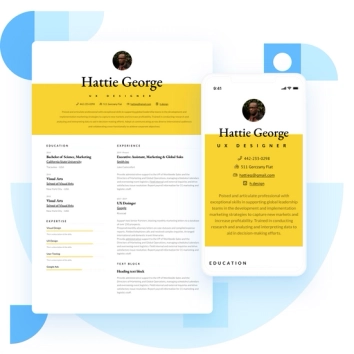
Discover the best resume formats for 2026 with examples for every job and experience level, plus expert tips to format your resume and get hired faster.
August 7, 2025
Read post

Resume Expert & VP Marketing
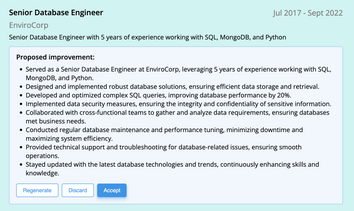
AI can change the way you write, and your resume is no exception.
November 27, 2023
Read post

Community Success Manager & Resume Writing Expert

Learning how to write a resume in 2025 is an important step in everyone's career. This step-by-step guide with resume examples will help you get started.
February 7, 2025
Read post
Community Success Manager & Resume Writing Expert