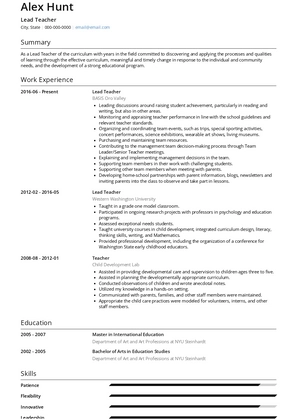
Learn how to effectively list substitute teacher skills on your resume with real-world examples. Includes top substitute teacher skills, sample resume phrases, and related skills.

Classroom Management: Maintaining order and ensuring a conducive learning environment.
Curriculum Knowledge: Familiarity with school curriculums, lesson plans, and educational standards.
Instructional Strategies: Ability to adapt teaching methods for various student abilities.
Student Engagement: Skills in motivating students and fostering active participation.
Behavior Management: Dealing effectively with challenging student behavior.
Communication: Clear, concise, and effective verbal and written communication skills.
Instructional Technology: Proficiency in using educational technology tools.
Lesson Planning: Ability to plan, prepare, and deliver engaging lessons.
Time Management: Efficient use of time to maximize learning opportunities.
Assessment Skills: Ability to evaluate student progress effectively.
Differentiated Instruction: Adapting teaching methods for diverse learning needs.
Cultural Competency: Sensitivity and understanding of diverse cultural backgrounds.
Professionalism: Maintaining a high level of personal and professional conduct.
Flexibility: Ability to adapt quickly to changing situations.
Collaboration: Working effectively with teachers, staff, and administrators.
Patience: Demonstrating understanding and empathy towards students.
Problem-Solving: Ability to find solutions to unexpected challenges.
Organizational Skills: Managing resources, materials, and schedules effectively.
Pedagogical Knowledge: Understanding of teaching methods and principles.
Emotional Intelligence: Recognizing, understanding, and managing emotions to create positive learning environments.
Organization: Group skills under relevant sections such as 'Teaching Experience', 'Professional Skills', or 'Education'.
Phrasing: Use action verbs to describe your abilities (e.g., "Implemented", "Managed", "Enhanced").
Quantification: Include numbers and specific examples to demonstrate the impact of your skills (e.g., "Improved student engagement by 20% during lesson activities").
Relevance: Prioritize skills most relevant to the job you are applying for.
Knowledge of Keywords: Use keywords from the job description to optimize your resume for applicant tracking systems (ATS).
Example 1 - Bullet Point Format:
Effectively managed classroom behavior and maintained a positive learning environment.
Implemented differentiated instruction strategies to accommodate diverse student abilities.
Utilized instructional technology tools to enhance student engagement and learning experience.
Developed and delivered engaging lessons aligned with school curriculums and educational standards.
Example 2 - Paragraph Format:
As a substitute teacher, I have effectively managed classroom behavior, fostered active student participation, and maintained a positive learning environment. My adaptability is demonstrated through my implementation of differentiated instruction strategies to accommodate diverse student abilities. Additionally, I leverage instructional technology tools to enhance the learning experience and engage students more effectively.
Example 3 - Section-Based Format:
Teaching Experience:
Effectively managed classroom behavior and maintained a positive learning environment.
Implemented differentiated instruction strategies to accommodate diverse student abilities.
Professional Skills:
Utilized instructional technology tools to enhance the learning experience.
Developed and delivered engaging lessons aligned with school curriculums and educational standards.
Substitute Teacher: Provides coverage for absent teachers and assists in maintaining classroom order and delivering lesson plans.
Tutor: Offers one-on-one academic support to students, focusing on specific subjects or skill areas.
Instructional Assistant: Assists teachers in preparing lesson materials, managing classroom activities, and providing additional academic support to students.
Educational Consultant: Advises schools and educational institutions on best teaching practices, curriculum development, and student engagement strategies.
Student Affairs Officer: Oversees student services within an educational institution, including counseling, discipline, and community engagement activities.
Youth Group Leader: Leads and organizes activities for youth groups outside of a school setting, such as community centers or religious organizations.
Museum Educator: Develops and delivers educational programs for museum visitors, focusing on engaging learning experiences.
Training Coordinator: Plans, coordinates, and facilitates training programs within various industries, emphasizing effective communication and adaptable instruction methods.
Educational Psychology: Understanding the cognitive, emotional, and social development of learners.
Inclusive Education: Focusing on the needs of all students, regardless of ability or background.
Language Arts Instruction: Teaching reading, writing, speaking, and listening skills.
Mathematics Instruction: Teaching mathematical concepts and problem-solving strategies.
Science Education: Teaching scientific principles, theories, and methodologies.
Social Studies Education: Teaching history, geography, economics, and civics.
Special Education: Working with students who have special needs or learning disabilities.
Early Childhood Education: Focusing on the developmental needs of young children.
Adult Education: Teaching and training adults in various subject areas.
Curriculum Development: Designing, planning, and implementing educational programs and curriculums.
Inclusive Curriculum Development: Developing educational materials that cater to diverse student needs.
Assistive Technology: Familiarity with tools and technologies designed to help students with disabilities learn more effectively.
Discuss any teaching career breaks concisely and factually, focusing on activities that added value to substitute teaching, such as professional development courses or workshops. If necessary, address health-related absences by demonstrating enthusiasm for returning to the classroom.
Emphasize practical experience and transferable skills, providing concrete examples from teaching assistantships or tutoring roles. Use keywords related to self-taught expertise, like "curriculum design," "behavior management strategies," or "lesson planning."
Focus on recent achievements and up-to-date skills, offering brief explanations about maintaining knowledge in outdated areas through professional development courses or educational literature. Emphasize how these skills complement your current abilities.
Aim for a one- to two-page resume, prioritizing relevant and impactful information. Include a brief summary if new to the field or changing careers. Use bullet points for ease of scanning.
List completed certifications and those in progress with their expected completion dates. Highlight related courses and training for the position, even if not technically certifications. Emphasize your dedication to continuous learning and professional development.
Focus on relevant skills and transferable experiences, such as mentoring or tutoring roles, volunteer work, or coursework in education. Highlight achievements demonstrating your ability to create engaging learning environments and manage classroom dynamics effectively. Include references from educators who can vouch for your potential success as a substitute teacher.
Emphasize unique qualities, like innovative teaching strategies or specialized subject matter expertise. Highlight flexibility and adaptability in various classroom settings, and commitments to ongoing professional development. Showcase successful lessons or activities designed or implemented.
Update your resume with each new teaching experience, relevant workshop or training session, or certification. Consider annual updates if out of the classroom for an extended period to reflect current trends and best practices in education.
Yes! Side projects and volunteer work demonstrate dedication to education and creativity. Highlight educational materials developed, workshops given, or leadership roles in education.
Research job postings carefully to identify specific requirements. Tailor your resume by emphasizing relevant experience, skills, and achievements that align with the position's requirements. Use keywords from the job description throughout your resume to help it pass applicant tracking systems (ATS) and catch hiring managers' attention.
Copyright ©2025 Workstory Inc.