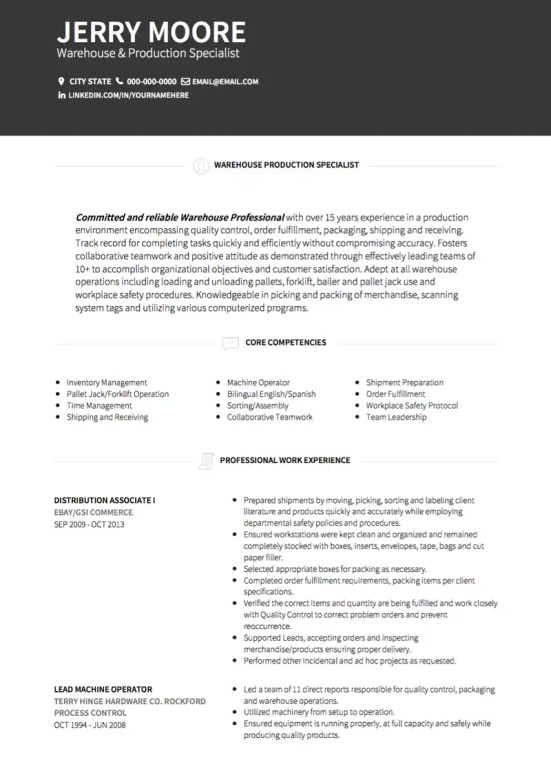
Learn how to effectively list dispatcher skills on your resume with real-world examples. Includes top dispatcher skills, sample resume phrases, and related skills.

Time Management: Efficiently handling multiple tasks and responsibilities to ensure timely responses.
Crisis Management: Handling emergencies calmly and effectively, making quick, informed decisions.
Communication: Effective verbal and written communication skills to provide clear instructions and guidance.
Multitasking: Ability to manage multiple tasks concurrently without compromising service quality.
Active Listening: Understanding and responding appropriately to the needs and concerns of others.
Decision Making: Making informed decisions quickly and effectively in high-pressure situations.
Emotional Intelligence: Recognizing, understanding, and managing emotions to maintain a professional demeanor.
Technical Skills: Familiarity with dispatching software and systems for efficient operations.
Problem-Solving: Quickly identifying and resolving issues that may arise during dispatching tasks.
Leadership: Motivating and guiding a team to ensure smooth and effective operation of the dispatch center.
Customer Service: Providing excellent service to customers or clients, ensuring their needs are met promptly.
Stress Management: Handling high-stress situations calmly and professionally without compromising performance.
Training and Development: Developing and delivering training programs for team members as needed.
Data Analysis: Analyzing data to identify trends, make informed decisions, and improve dispatching processes.
Quality Assurance: Ensuring the quality of service provided by both the dispatch center and the field teams.
Situational Awareness: Maintaining constant awareness of ongoing events and making adjustments as needed to optimize dispatch efficiency.
Teamwork: Collaborating effectively with team members, supervisors, and other departments to ensure seamless operations.
Adaptability: Ability to adapt quickly to changing situations or technologies in the dispatching environment.
Resource Management: Efficiently managing resources (personnel, equipment, vehicles) to optimize service delivery.
Regulatory Compliance: Understanding and adhering to relevant regulations and guidelines to maintain compliance.
Prioritize: Place your most important skills at the top of the resume, highlighting those that are most relevant to the job you're applying for.
Quantify: Use numbers and specific examples to demonstrate the impact of your skills (e.g., "Reduced response times by 20%" or "Trained over 15 new dispatchers").
Tailor: Customize your resume to each job application, emphasizing the skills that are most relevant to the position.
Organize: Group similar skills together under subheadings (e.g., "Technical Skills" or "Soft Skills") for easy readability.
Action-oriented: Use action verbs to describe your skills and accomplishments, making your resume more dynamic and engaging.
Effectively managed a team of 8 dispatchers during critical events.
Maintained situational awareness through the use of advanced dispatching software.
Implemented quality assurance protocols, reducing errors by 25%.
In my role as a dispatcher at XYZ Company, I effectively managed a team of eight personnel and ensured the smooth operation of our emergency response services. Through the use of advanced dispatching software, I maintained situational awareness and made quick decisions to optimize response times. Additionally, I implemented quality assurance protocols that significantly reduced errors within our department.
Technical Skills:
Dispatching software proficiency (e.g., Avigilon Control Center, Genetec Security Center)
GPS and mapping systems (e.g., Google Maps API, TomTom)
Radio communication equipment operation
Soft Skills:
Excellent communication skills, both written and verbal
Strong problem-solving abilities
Effective time management and multitasking skills
Emergency Services Dispatcher (e.g., Police, Fire, Ambulance)
Air Traffic Controller
Shipping & Logistics Dispatcher
IT Help Desk Support
Customer Service Agent (Telecommunications)
911 Call Center Operator
Control Room Operator (Public Transportation)
Security Dispatcher
Geographic Information Systems (GIS)
First Aid and CPR Certification
Advanced Communication Techniques (e.g., Code Talking, Morse Code)
Customer Relationship Management (CRM) Software Proficiency
Incident Management Systems (IMS) knowledge
Geospatial Intelligence (Geoint) Analysis
Situational Awareness and Decision-making tools (e.g., OODA Loop)
Radio Frequency Identification (RFID) technology
Database Management (e.g., SQL Server, MySQL)
Project Management methodologies (e.g., Agile, Waterfall)
Explain brief reasons for employment gaps within your resume, focusing on any relevant skills or experiences gained during this period. Highlight achievements such as dispatching-related courses or volunteering.
Provide concrete examples of how you've applied and honed self-taught dispatcher skills, including descriptions of projects, software used, and communication strategies that proved successful. Include any relevant certifications or licenses earned through self-study.
Mention outdated skills but demonstrate how they've been updated or supplemented with more current ones, providing examples where these older skills were still useful and explaining recent training undertaken to stay up-to-date.
Aim for a one-page resume, considering a two-page option if extensive experience or achievements can't be covered adequately. Prioritize relevant and impressive experiences.
List certifications in progress under a "Certification (in progress)" section, explaining the purpose, what it entails, and why it was chosen. This demonstrates dedication to ongoing professional development.
Focus on transferable skills from other roles, highlight relevant coursework or certifications, and provide examples of quick learning and adaptability to new technologies. Tailor cover letters to express interest in the dispatcher role and emphasize fit for the position.
Showcase unique strengths and accomplishments, highlight specialized skills or knowledge that set you apart from other candidates, provide specific examples of past role excellence, and demonstrate industry insights.
Update your resume whenever there is a significant change or improvement, such as completing new certifications, acquiring new skills, or gaining additional experience. Regularly review and refine your resume to accurately reflect current abilities and achievements.
Include relevant side projects or volunteer work to demonstrate initiative, versatility, and commitment to the industry. Highlight closely related experiences that could give you an edge over other candidates.
It is not common practice to include references directly on your resume. Instead, prepare a separate list of professional references for potential employers during the interview process. Choose effective references who can speak to your dispatcher skills and experience.
Copyright ©2025 Workstory Inc.